Over 60 percent of British families report feeling stressed about long distance moves, especially when balancing work and school schedules. Relocating within County Durham or across the North East presents unique challenges, from packing sentimental items to searching for trusted moving companies that truly understand family needs. This guide helps you take control of your move, breaking down each step with practical advice and real solutions for packing, organizing, and choosing reliable support.
Table of Contents
- Step 1: Assess Your Moving Requirements
- Step 2: Organise Professional Removal Services
- Step 3: Sort and Declutter Belongings
- Step 4: Pack Your Possessions Securely
- Step 5: Confirm Moving Details and Check Readiness
Quick Summary
| Key Insight | Explanation |
|---|---|
| 1. Conduct a thorough inventory | Make a comprehensive list of all belongings to understand your moving needs and constraints. |
| 2. Research removal companies carefully | Compare services, experiences, and costs to ensure you choose the right provider for your move. |
| 3. Declutter for efficiency | Sort items into categories to reduce volume and costs, helping you move with less clutter. |
| 4. Pack items securely | Use quality materials and label boxes clearly to protect your belongings and simplify unpacking. |
| 5. Confirm moving details thoroughly | Verify all arrangements, including timelines and utilities, to avoid surprises on moving day. |
Step 1: Assess your moving requirements
Assessing your moving requirements is the foundational first step that will determine the entire trajectory of your relocation journey. This critical phase involves carefully evaluating your current situation, understanding your specific moving needs, and creating a strategic plan tailored to your unique circumstances.
Start by conducting a comprehensive inventory of your household items, documenting everything from large furniture pieces to delicate personal belongings. Consider factors like total volume of items, special handling requirements for fragile objects, and potential storage needs. Your assessment should include measuring large furniture to ensure they will fit in your new property and determining whether professional moving support services might be necessary. For families in County Durham and the North East, this often means understanding local logistics such as parking restrictions, property access, and potential challenges specific to urban or rural moving environments.
Your moving requirements assessment should also incorporate budgetary considerations, timeline flexibility, and any specific constraints unique to your situation. This might include coordinating with work schedules, school transitions, or managing concurrent property sales or rentals. Research removal companies that offer comprehensive services and can provide detailed quotes based on your specific requirements.
Top tip: Create a digital spreadsheet to track your moving inventory, estimated costs, and critical timelines to maintain organisation throughout your relocation process.
Step 2: Organise professional removal services
Organising professional removal services is a pivotal stage in ensuring a smooth and stress-free relocation experience. This step requires careful research, comparison, and selection of a removal company that matches your specific moving requirements and budget constraints.
Begin by conducting thorough research on removal companies in your local area, focusing on those with extensive experience in handling moves similar to yours. Pay close attention to their removal service costs and pricing structures, which can vary significantly depending on the volume of items, distance, and additional services required. For families in the North East, particularly around Darlington and County Durham, it is essential to request detailed quotes from multiple providers and compare their offerings. Verify the company’s credentials, including insurance coverage, professional accreditations, and customer reviews to ensure reliability and quality of service.
When evaluating removal companies, consider their range of services beyond basic transportation. Look for providers who offer comprehensive solutions such as packing, unpacking, storage options, and specialised handling for fragile or valuable items. Some companies provide additional support like licensed contractor services for complex removals, which can be particularly helpful for moves involving special requirements or potential hazardous materials.
Top tip: Request a comprehensive written estimate that includes all potential charges and ask about their insurance coverage to avoid unexpected expenses during your move.
Here is a comparison of common removal company service levels and what they typically include:
| Service Level | Typical Inclusions | Suitability |
|---|---|---|
| Basic Transport | Loading, transport, unloading only | Small moves, low budget, few fragile items |
| Full-Service | Packing, transport, unpacking, insurance | Families, valuable or numerous belongings |
| Specialist Handling | Fragile, antique, hazardous materials | High-value, delicate or complex items |
Step 3: Sort and declutter belongings
Sorting and decluttering your belongings is a critical preparation step that will streamline your moving process, reduce transportation costs, and help you start afresh in your new home. This comprehensive approach involves carefully evaluating each item you own and making intentional decisions about what truly deserves a place in your next living space.
Begin by creating a systematic decluttering strategy that categorises your possessions into clear groups. Start with four primary categories: keep, donate, sell, and discard. Focus on rooms or areas systematically rather than attempting to tackle your entire home at once. For families in the North East, particularly around Darlington and County Durham, local charity shops and community centres often welcome donations of gently used items. Be ruthless in your evaluation process consider whether each item has been used in the past year and holds genuine emotional or practical value.
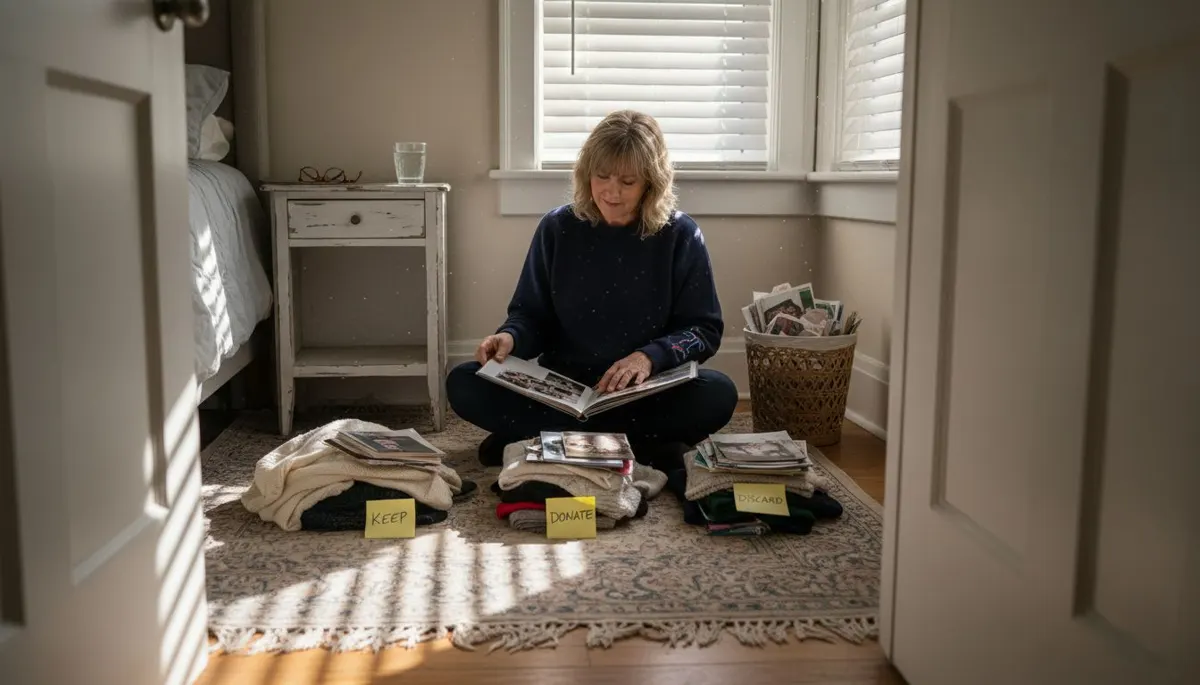
Consider the environmental impact of your decluttering process by exploring sustainable disposal methods. This might involve recycling electronics, donating usable furniture, or finding specialised disposal services for items that cannot be easily recycled. Create a staging area in your home where sorted items can be temporarily placed, making the process more organised and less overwhelming. Remember that effective decluttering is not just about reducing physical items but also about creating mental space and preparing emotionally for your upcoming move.
Top tip: Take photographs of sentimental items you are struggling to part with as a way to preserve memories without keeping the physical object.
For a quick glance, here is a summary of sustainable decluttering options and their environmental impact:
| Disposal Method | Example Items | Environmental Impact |
|---|---|---|
| Donate | Clothing, furniture | Reduces landfill, supports charities |
| Sell | Electronics, collectibles | Extends product lifecycle, earns cash |
| Recycle | Paper, glass, metals | Conserves resources, lowers emissions |
| Specialist Disposal | Hazardous materials | Prevents contamination, ensures safety |
Step 4: Pack your possessions securely
Packing your possessions securely is a critical phase in ensuring your belongings arrive safely at your new home. This comprehensive process requires careful planning, strategic organisation, and meticulous attention to detail to protect your items during transit.
Begin by gathering high quality packing materials and understanding customs regulations for transporting personal belongings. Invest in sturdy boxes, bubble wrap, packing paper, and specialised containers for fragile items. For families in the North East, particularly around Darlington and County Durham, consider purchasing specialised moving boxes that provide extra protection. Group items by room and weight, using smaller boxes for heavy items like books and larger boxes for lighter possessions such as linens and soft furnishings. Wrap delicate items individually in bubble wrap or packing paper, ensuring they are cushioned and cannot move during transportation.
Prioritise protecting valuable and sentimental items by creating a dedicated protection strategy. This might involve using specialised packaging for electronics, artwork, and antiques. Create an inventory list of all packed items, taking photographs of valuable possessions for insurance purposes. Mark boxes clearly with their contents and the room they belong to, which will simplify unpacking at your destination. Consider keeping essential items and important documents in a separate easily accessible bag that travels with you during the move.
Top tip: Use colour coded stickers or labels to quickly identify box contents and prioritise unpacking in your new home.
Step 5: Confirm moving details and check readiness
Confirming moving details and checking readiness is the critical final preparatory stage that ensures every aspect of your relocation is meticulously planned and organised. This comprehensive review prevents last minute surprises and provides peace of mind before your moving day arrives.
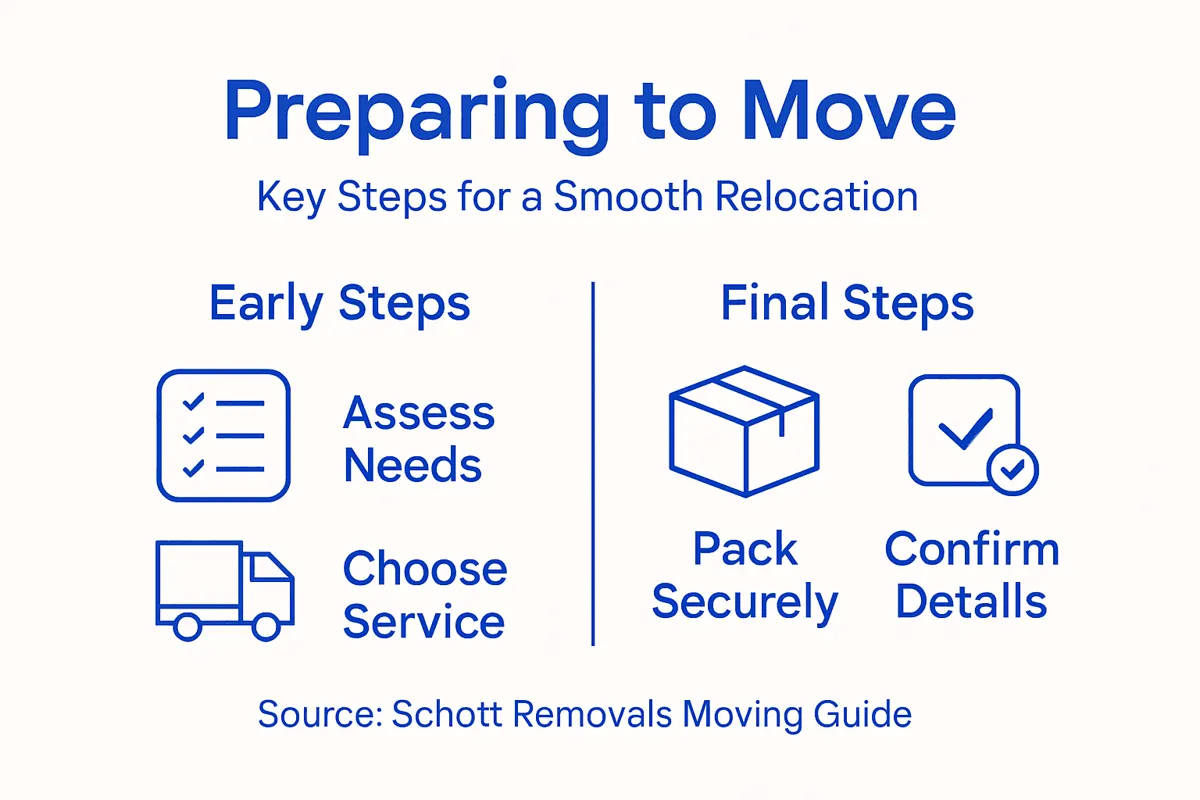
Begin by systematically reviewing your moving checklist and verifying all essential arrangements. Contact your removal company to confirm exact timings, access requirements, and any specific instructions for your move. For families in the North East, particularly around Darlington and County Durham, this might include discussing parking permissions, property access details, and potential logistical challenges specific to your current and new locations. Double check utility transfers for both properties, ensuring electricity, water, internet, and other essential services are scheduled for disconnection and reconnection at the appropriate times.
Prepare a comprehensive moving day survival kit containing all critical documents, medications, valuable items, and essential personal belongings that you will need immediate access to. This kit should include original identification documents, moving contracts, property keys, financial records, mobile phone chargers, and a small supply of cash. Confirm travel arrangements, whether you are moving locally or undertaking a longer journey, and ensure all family members are aware of the moving schedule. Make arrangements for children and pets if necessary, and have a clear communication plan with your removal team about any specific handling requirements for fragile or special items.
Top tip: Create a digital and physical backup of all important moving documents to ensure you have multiple access points in case of unexpected issues.
Simplify Your Move with Expert Support from Schott Removals
Moving can feel overwhelming when faced with the challenge of organising every detail from assessing your requirements to securely packing your possessions. Key concerns like managing timelines, protecting valuable items, and confirming all arrangements can create stress and uncertainty. At Schott Removals, we understand these hurdles and offer tailored solutions to make your relocation seamless and worry free. Whether you need local house removals, national transport, or specialised packing services, our family-run company with over 30 years of experience in Darlington and beyond stands ready to support you.
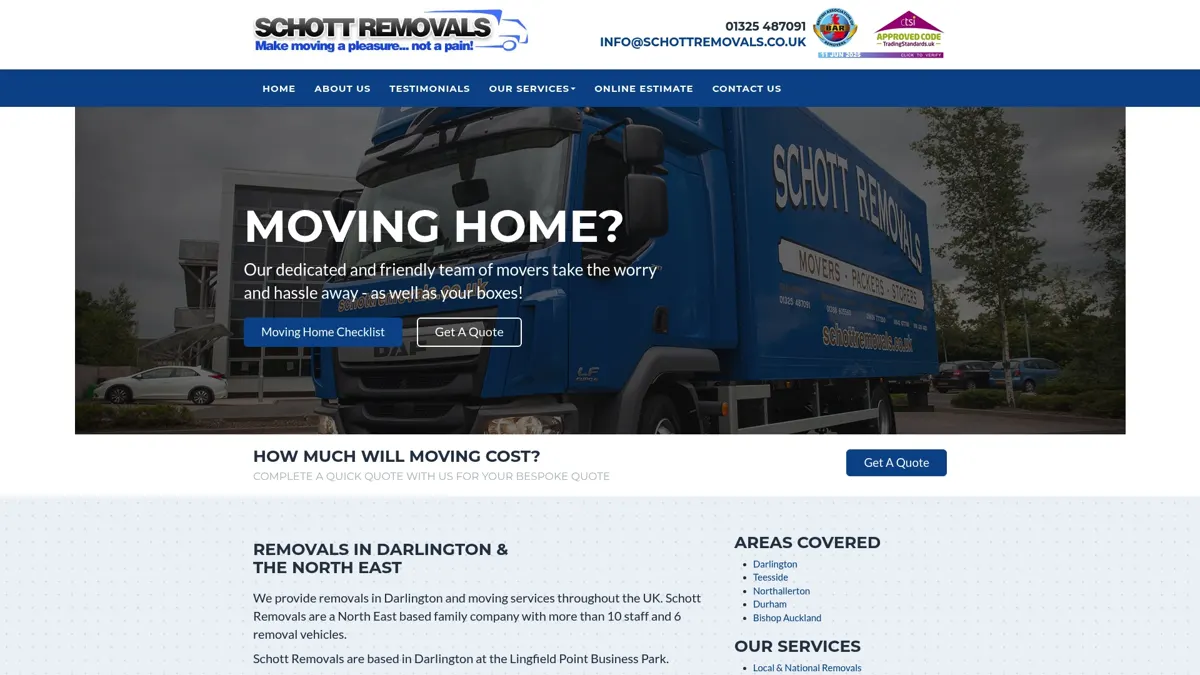
Ready to take the complexity out of your move? Explore our comprehensive services on Uncategorised Archives – Schott Removals to discover how we can handle everything from initial planning to final unpacking. Visit Schott Removals to get a quick quote or contact our team today. Join countless satisfied families who trusted us to protect their belongings and provide exceptional customer care through every step. Let us help you move confidently and comfortably.
Frequently Asked Questions
What should I include in my moving requirements assessment?
To effectively assess your moving requirements, create a detailed inventory of all your household items, noting their size and any special handling needs. Measure larger furniture to ensure it will fit in your new home and consider your budget and timeline flexibility during this step.
How do I select the right removal services for my move?
Start by researching removal companies with experience in moves similar to yours and request detailed quotes from multiple providers. Compare their services, insurance, and customer reviews to ensure you choose a reliable option that fits your budget and specific needs.
What is the best way to declutter before moving?
Focus on sorting your items into categories of keep, donate, sell, and discard. This can be done room by room to make the process manageable, and aim to evaluate each item’s use within the past year before making decisions about what to keep.
How can I pack my possessions securely for the move?
Gather high-quality packing materials and organise your items by room and weight for efficient packing. Protect fragile items individually with bubble wrap, and label each box clearly with its contents and destination room for easier unpacking.
What should I include in my moving day survival kit?
Prepare a survival kit with essential items you’ll need immediately upon arrival, such as important documents, medication, and chargers. Make sure this kit is easily accessible during the move, so you can quickly retrieve the items without unpacking other boxes.
How do I confirm all moving details before the moving day?
Contact your removal company before moving day to confirm timings and any access requirements. Review your moving checklist to ensure all details, such as utility transfers and special instructions for fragile items, are in place for a smooth transition.
Recommended
- What to Expect on Moving Day in the UK: Key Steps in 2025 | Schott Removals
- What to Know When Moving to Durham in 2025: A Complete Guide | Schott Removals
- Stress-Free Moving Checklist 2025: UK, International & Business Moves | Schott Removals
- House Removal Process Explained: Step-by-Step Guide for 2025 | Schott Removals
- What to Expect HVAC Appointment: Full Guide for Louisville & Southern Indiana (2025) – HVAC Service and Repair | Louisville, KY | Project Heating & Cooling