
Moving house or office seems simple at first. Just pack your things and go, right? But over 60 percent of moving damages happen during packing alone. Most people assume wrapping boxes is the easiest part and forget how quickly a sentimental vase or expensive laptop can end up shattered. The real shock is that choosing between self packing and professional packing does not just save time or money. It could mean the difference between settling in with your treasures intact or facing hidden repair bills and disappointment.
| Takeaway | Explanation |
|---|---|
| Self packing requires personal effort and time | Individuals must source materials, wrap items, and handle logistics themselves, increasing the time and stress involved. |
| Professional packing ensures item safety | Trained specialists provide expertise, use quality materials, and employ techniques that protect fragile items during transit. |
| Cost of self packing may exceed initial savings | Hidden costs like materials and potential damages can make self packing more expensive than hiring professionals in the long run. |
| Risks are higher with self packing | Without professional techniques, items may be more vulnerable to damage, leading to financial losses from replacements or repairs. |
| Consider item value when choosing a packing method | High-value items require expert handling; assess their importance to decide on professional packing services for better protection. |
Understanding the nuanced differences between self packing and professional packing is crucial for anyone planning a move in the UK, particularly in regions like County Durham and Darlington. Each approach offers unique advantages and challenges that can significantly impact the moving experience.
Self packing involves individuals personally preparing and wrapping their household or office belongings for transportation. This method requires personal time, effort, and careful attention to detail. When self packing, you are responsible for sourcing packing materials, carefully wrapping items, labelling boxes, and ensuring everything is securely packed to prevent damage during transit.
Professional packing, by contrast, involves trained removal specialists who handle the entire packing process. These experts bring specialised knowledge, high quality packing materials, and systematic approaches to protecting your valuable items. Professional packing services offer comprehensive solutions that go beyond simple box filling.
Key differences between self packing and professional packing include:

The choice between self packing and professional packing depends on various factors such as budget, available time, complexity of items being moved, and personal comfort with handling delicate possessions. For residents in the North East, understanding these distinctions can make a substantial difference in the overall moving experience.
To aid decision-making, the following table compares key features and implications of self packing versus professional packing as outlined in the article.
| Feature | Self Packing | Professional Packing |
|---|---|---|
| Required Effort | High: You handle all packing work | Low: Specialists undertake the entire packing process |
| Materials | Must be sourced and purchased individually | Provided by the service, included in cost |
| Protection for Fragile Items | Limited, depends on personal experience | Comprehensive, based on expert techniques |
| Time Commitment | Significant personal time investment | Minimal; quicker and more efficient |
| Cost | Lower upfront, but with possible hidden expenses | Higher upfront, usually inclusive of hidden costs |
| Insurance Cover | Limited or excluded by some removals companies | Typically comprehensive and included |
| Risk of Damage | Greater risk due to lack of expertise | Minimal, specialists mitigate transport risks |
| Stress Level | Higher, more responsibility and tasks | Lower, as process is handled by professionals |
Selecting an appropriate packing method is a critical decision that can dramatically influence the safety, efficiency, and overall success of your relocation, whether moving within Darlington, across County Durham, or internationally.
The financial implications of your packing strategy extend far beyond immediate costs. While self packing might seem economically attractive initially, potential risks such as item damage can lead to significant unexpected expenses. Managing moving day logistics requires strategic planning to mitigate potential financial losses.
Different items require distinct levels of care and expertise during packing. Fragile antiques, electronic equipment, artwork, and specialised machinery demand professional handling to prevent irreparable damage. Professional packers possess specialised knowledge about:
Choosing the right packing method is not merely about physical protection but also about managing personal resources. Self packing consumes considerable time and energy, potentially causing significant stress during an already challenging transition. Professional packing services alleviate this burden, allowing individuals and businesses to focus on other critical aspects of relocation.
Ultimately, the decision between self packing and professional packing should be a carefully considered choice that balances financial constraints, item complexity, available time, and personal comfort with handling valuable possessions. For residents in the North East of England, understanding these nuanced considerations can transform a potentially stressful moving experience into a smooth, well-managed transition.
Cost considerations play a pivotal role in determining whether individuals and businesses opt for self packing or professional packing services across the North East of England, particularly in areas like Darlington and County Durham.
Self packing initially appears more economical, but hidden costs can quickly accumulate. Purchasing packing materials such as boxes, bubble wrap, packing tape, and protective coverings represents a significant upfront investment. Understanding moving versus self moving reveals that these expenses can often approach or exceed professional packing rates.
Beyond direct monetary expenses, several indirect costs merit consideration. Time spent packing represents a substantial economic factor. Professional packers can complete a home or office move exponentially faster than individuals, reducing potential productivity losses. The potential for item damage during amateur packing introduces additional financial risks.
Key indirect cost considerations include:
Professional packing services might appear more expensive initially, but they frequently provide superior economic value. Trained specialists use optimised packing techniques that minimise potential damage, reduce transportation risks, and ensure more efficient use of moving space. Their expertise translates into potential long-term savings through reduced risk of item replacement and more streamlined moving processes.
Ultimately, the most cost-effective approach depends on individual circumstances, including the volume of items, their value, complexity, and personal resources available for packing. For residents and businesses in the North East, carefully evaluating these multifaceted economic considerations can lead to more informed and financially prudent moving decisions.
The table below summarises the direct and indirect costs discussed for both self packing and professional packing, helping to clarify the true financial implications of each method.
| Cost Type | Self Packing | Professional Packing |
|---|---|---|
| Upfront Materials | Paid for individually (boxes, tape, wrap) | Usually included in service cost |
| Labour/Time | DIY: significant personal effort | Outsourced: minimal customer time invested |
| Damage Risk/Replacement | Higher likelihood and cost of item damage | Lower due to expert packing techniques |
| Insurance Cover | Limited or not applicable to self-packed items | Comprehensive protection usually included |
| Productivity Loss | High (time away from work/personal duties) | Low (packing completed swiftly by professionals) |
| Stress and Energy | Considerable, due to personal responsibility | Reduced, professionals manage process |
| Long-Term Expense | Can increase due to repairs, replacements, and stress | Lower, as reduced risk translates to long-term savings |
Evaluating packing strategies requires a comprehensive understanding of potential risks and advantages, particularly for residents in the North East moving within Darlington, County Durham, or internationally.
Different items possess varying levels of fragility and transportation vulnerability. Professional packers conduct meticulous risk assessments that go beyond basic wrapping techniques. International moving regulations further complicate these considerations, especially for moves involving specialised or high-value equipment.
Risk mitigation is a critical factor in choosing a packing approach. Self packing often limits insurance coverage, whereas professional services typically provide comprehensive protection. Key risk factors include:
Professional packing services offer strategic advantages beyond simple item protection. Their expertise encompasses understanding weight distribution, optimal packing configurations, and industry-specific handling techniques. This approach transforms packing from a mechanical task into a sophisticated risk management strategy.
Ultimately, the choice between self packing and professional services depends on a nuanced evaluation of personal risk tolerance, item complexity, and financial considerations. For businesses and individuals in the North East, understanding these multifaceted risk dynamics enables more informed and secure relocation decisions.
High value items demand extraordinary care during relocation, presenting unique challenges for individuals and businesses moving within the North East, particularly in regions like Darlington and County Durham.
High value items extend beyond monetary worth to include items with significant personal, historical, or professional significance. These might encompass antique furniture, precision scientific equipment, fine art, rare collectibles, and sensitive electronic systems. Preparing for international shipping becomes particularly critical when transporting such specialised belongings.
Specialised packing for high value items requires advanced technical knowledge and precision. Professional packers utilise sophisticated techniques that go far beyond standard wrapping methods. Critical considerations include:
Professional packing services offer unparalleled expertise in managing high value relocations. Their approach combines technical skill, industry-specific knowledge, and comprehensive risk assessment. Trained specialists understand the molecular and structural vulnerabilities of different materials, ensuring that delicate items receive targeted protection throughout the transportation process.
For high net worth individuals and businesses in the North East, investing in professional packing services represents more than a logistical choice—it is a strategic decision to preserve and protect valuable assets during complex relocation scenarios.
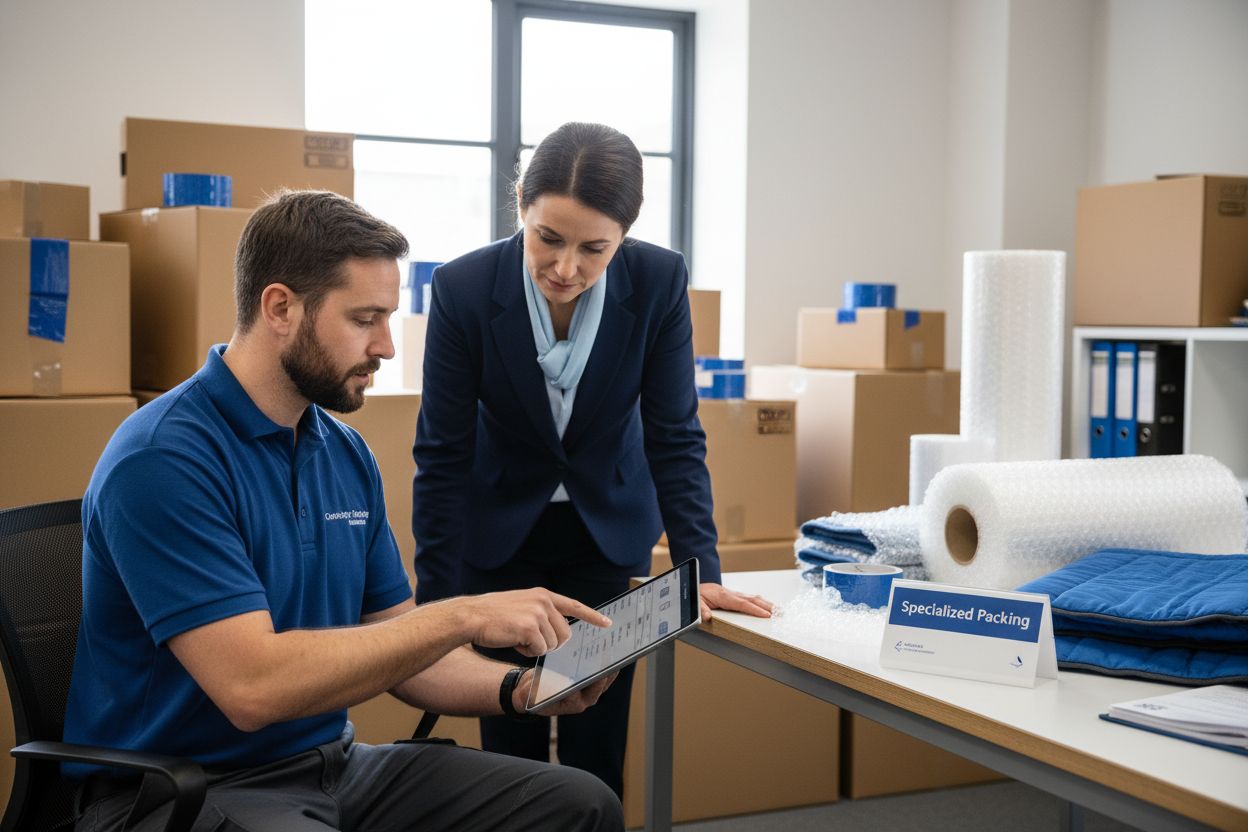
Deciding between self packing and professional packing can be a daunting step for many facing a move. As explored in this article, the challenges include the risk of damaged belongings, the time-consuming nature of packing, and the stress that comes with making every decision yourself. If you are feeling uncertain or overwhelmed about which packing solution truly protects your possessions and peace of mind, you are not alone. At Schott Removals, our decades of experience supporting residents across the North East have taught us that the right help makes all the difference.
Explore real customer experiences here
Ready for a smarter, simpler move? Visit Schott Removals to discover how our specialised packing and removals services can save you time, keep your valuables safe, and remove the guesswork from your relocation process. Whether you are considering full professional support or just need advice on the best approach for your situation, our team stands by to help you move with confidence. Take the next step today and see for yourself why so many have made Schott Removals their trusted moving partner.
Self packing requires you to personally wrap and prepare your belongings, which can be time-consuming and requires careful attention to detail. Professional packing involves trained specialists who use their expertise and high-quality materials to ensure that items are safely packed and transported.
While self packing may seem cheaper initially, it can lead to hidden costs, such as purchasing packing materials and potential damage to items during transport. Professional packing services, although appearing more expensive upfront, often provide better value by reducing risks and damage.
Fragile items like antiques, electronics, and artwork typically require professional packing. These items demand specialized handling and techniques to ensure their safety during transit, which may not be achievable through self packing.
Professional packing can alleviate the burden of preparing for relocation. By handling the packing process, professionals allow you to focus on other essential tasks associated with the move, thereby reducing stress and saving valuable time.
Unit 20, Lingfield Point
McMullen Road,
Darlington
DL1 1RW
Telephone: 01325 487091
Email: info@schottremovals.co.uk