
More than half of British homeowners face unexpected stress when relocating, making reliable temporary storage a top priority. If you are in County Durham, Newcastle, or anywhere else in the North East of England, finding flexible and secure storage can ease the chaos of moving day. This guide lays out what you need to know about modern storage options, pricing transparency, and the safeguards that protect your belongings during life’s biggest transitions.
Table of Contents
- Understanding Temporary Storage Solutions
- Main Types of Storage For Relocating
- How Storage Facilities Operate In The UK
- Security, Access, And Insurance Factors
- Costs, Contracts, And Hidden Fees
Key Takeaways
| Point | Details |
|---|---|
| Importance of Temporary Storage | Temporary storage solutions are vital for individuals during relocations in the United Kingdom, offering secure spaces for personal belongings. |
| Types of Storage Options | Different storage types, including self-storage, containerised storage, and warehouse storage, cater to various moving needs. |
| Security and Insurance | Comprehensive security measures and tailored insurance options are crucial for protecting stored items during transitions. |
| Understanding Costs | It is essential to review all potential fees and contract terms thoroughly to avoid unexpected financial burdens. |
Understanding Temporary Storage Solutions
Temporary storage solutions are critical resources for individuals and families navigating relocations or transitions in the United Kingdom. Whether you are moving between properties in County Durham, relocating from Newcastle, or shifting your household goods across regions, these flexible storage options provide essential support during complex moving processes.
At its core, temporary storage represents secure spaces designed to house personal belongings, furniture, and equipment for short to medium-term periods. These facilities range from compact storage units in Darlington to larger warehouse spaces capable of accommodating entire household inventories. Modern storage solutions offer climate-controlled environments, robust security systems, and flexible rental terms that adapt to varying customer needs.
The landscape of temporary storage has significantly evolved, particularly in addressing unique challenges faced by movers. Temporary accommodation crisis research highlights the importance of understanding storage conditions and their potential impact on personal well-being. Reputable storage providers now focus not just on space rental, but on creating environments that protect clients’ valuable possessions while offering peace of mind during transitional periods.
Pro tip: Before selecting a temporary storage solution, always request a comprehensive inventory checklist and confirm the facility’s security protocols to ensure your belongings remain protected throughout their stay.
Main Types of Storage for Relocating
Moving within the United Kingdom presents numerous storage challenges, requiring individuals to understand the diverse range of storage solutions available. From residential relocations in County Durham to business transitions across the North East, selecting the right storage type can significantly streamline the moving process and protect valuable possessions.
Primary storage options for relocating typically include self-storage units, containerised storage, and warehouse storage. Self-storage units offer flexible, short-term solutions where individuals can rent personal space units ranging from compact lockers to large rooms. Offsite storage techniques demonstrate the importance of choosing storage that matches specific preservation and accessibility requirements.
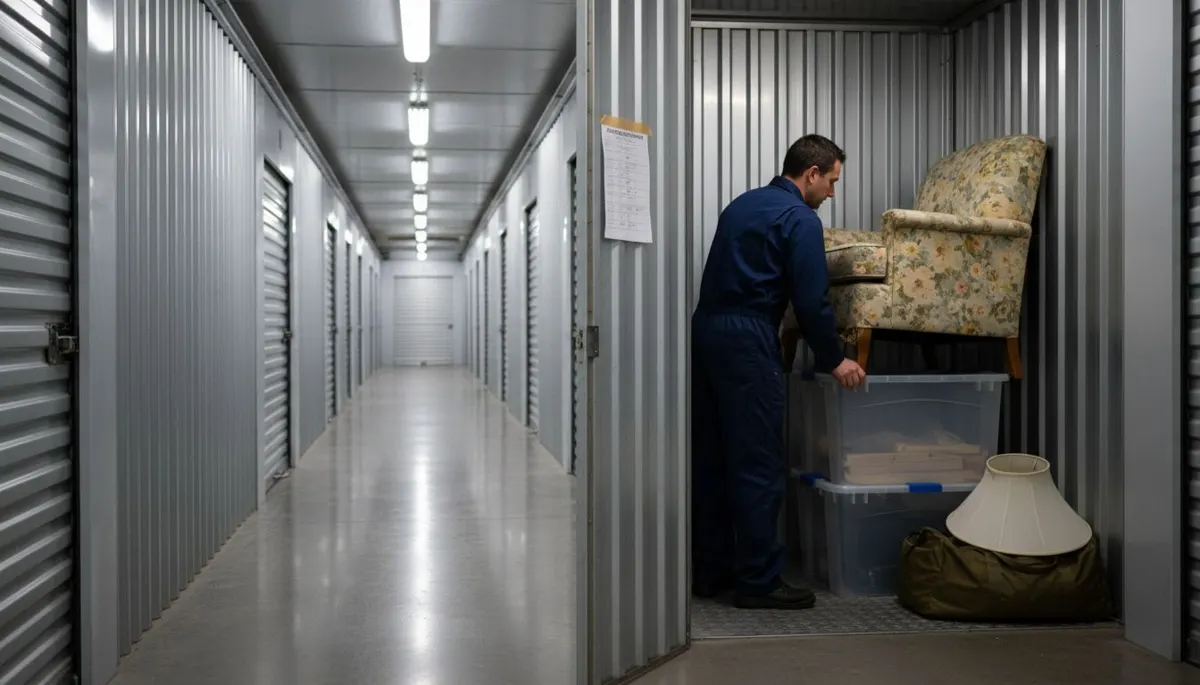
Containerised storage provides an alternative approach, where secure metal containers are delivered directly to your property, allowing for convenient loading and transportation. These containers can be stored on-site or transported to secure warehouse facilities, offering maximum flexibility for movers across different regions. Warehouse storage represents the most comprehensive option, providing climate-controlled environments with advanced security systems, ideal for long-term storage needs during complex relocation processes.
Pro tip: Always measure your belongings precisely and create a detailed inventory before selecting a storage solution to ensure you choose the most appropriate and cost-effective option for your specific requirements.
Here is a comparison of key temporary storage types used during relocation:
| Storage Type | Typical Use Case | Accessibility | Security Level |
|---|---|---|---|
| Self-storage Unit | Short-term personal or small moves | Direct client access | Moderate to high |
| Containerised Storage | Whole-household or business moves | Limited, by request | High (sealed units) |
| Warehouse Storage | Long-term, large volume or business | Restricted, scheduled | Very high (monitored) |
How Storage Facilities Operate in the UK
Storage facilities across the United Kingdom have developed sophisticated operational models that prioritise security, accessibility, and customer convenience. From small local units in County Durham to large metropolitan warehouses, these facilities employ advanced management strategies to protect and maintain client belongings during transition periods.
The core operational framework of modern storage facilities involves comprehensive inventory management and security protocols. Facility management principles emphasise integrating people, processes, and technology to ensure optimal storage conditions. Facilities typically employ electronic tracking systems, allowing clients to monitor their stored items remotely, with detailed records of item placement, condition, and access history.
Most storage facilities in the UK operate through a combination of climate-controlled environments, robust security infrastructure, and flexible access arrangements. This includes features like 24-hour surveillance, biometric entry systems, individual unit alarms, and carefully controlled temperature and humidity levels to prevent damage to sensitive items. Many facilities also offer additional services such as packing materials, transportation assistance, and insurance options to provide comprehensive support for clients during relocation.
Pro tip: Request a comprehensive facility tour and detailed inventory documentation before committing to a storage solution, ensuring you fully understand the specific security and maintenance protocols.
Security, Access, and Insurance Factors
Navigating the complex landscape of storage security requires a comprehensive understanding of protection mechanisms, access protocols, and insurance considerations. For individuals and businesses across the United Kingdom, particularly in regions like County Durham and Newcastle, selecting a storage facility demands careful evaluation of multiple critical factors.
Comprehensive security begins with robust risk management strategies. Risk assessment procedures play a crucial role in identifying potential vulnerabilities and implementing preventative measures. Modern storage facilities employ sophisticated security systems including biometric access controls, 24-hour digital surveillance, individual unit alarms, and comprehensive monitoring technologies that provide multiple layers of protection for stored belongings.
Insurance considerations are equally paramount in the storage ecosystem. UK storage providers typically offer varied insurance options that cover potential risks such as theft, accidental damage, and environmental hazards. These insurance packages are often tailored to specific storage needs, with premiums influenced by the facility’s security infrastructure, item value, and storage duration. Professional storage facilities collaborate closely with insurance providers to ensure clients receive comprehensive coverage that offers genuine peace of mind during transitional periods.
Pro tip: Always request a detailed breakdown of security protocols and insurance coverage, comparing multiple providers to understand the precise protections offered for your specific storage requirements.
Costs, Contracts, and Hidden Fees
Navigating the financial landscape of temporary storage solutions requires careful scrutiny and a comprehensive understanding of potential expenses. Movers across the United Kingdom, particularly those in regions like County Durham and Newcastle, must be vigilant about understanding the full financial implications of storage contracts to avoid unexpected financial burdens.
Storage facility pricing structures are complex, often involving multiple components beyond basic rental rates. Price transparency regulations mandate that businesses disclose all mandatory charges upfront, preventing the emergence of hidden fees. Typical cost elements include base rental rates, insurance premiums, access fees, security deposits, and potential additional charges for special handling or climate-controlled units. Clients should request comprehensive written quotations that itemise every potential expense to prevent financial surprises.
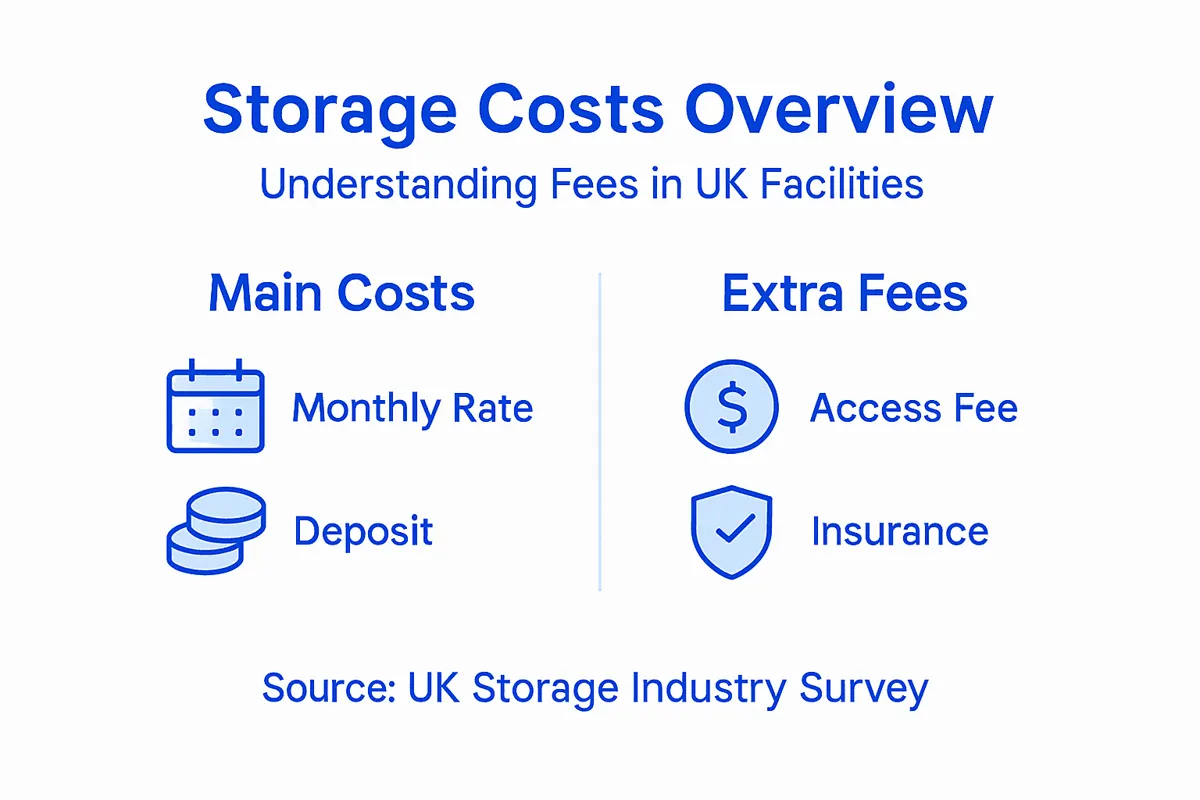
Below is a summary of common cost considerations when selecting a UK storage facility:
| Cost Element | Description | Impact on Total Cost |
|---|---|---|
| Base Rental Rate | Standard monthly/weekly storage fee | Main recurring expense |
| Security Deposit | Refundable sum paid upfront | Increases initial outlay |
| Insurance Premium | Protection for stored items | Mandatory in most contracts |
| Special Handling Fee | For oversized, fragile, or climate needs | Raises overall cost |
| Access Charges | Costs for extended or unscheduled access | Affects accessibility choice |
Contract terms in temporary storage agreements can vary significantly between providers, making thorough review essential. Some facilities offer flexible month-to-month arrangements, while others require minimum contract lengths with specific termination conditions. Additional considerations include potential price escalation clauses, penalties for early contract termination, and varying insurance requirements. Understanding these nuanced contractual details can help individuals and businesses make more informed decisions about their storage solutions.
Pro tip: Always request a detailed, written breakdown of all potential fees and thoroughly read contract terms before signing, paying special attention to clauses about price changes and termination conditions.
Simplify Your Move with Trusted Temporary Storage and Removal Experts
Facing the challenges of organising reliable temporary storage during your move in the United Kingdom can be stressful. Whether you need secure self-storage units, containerised solutions, or comprehensive warehouse storage to protect your belongings, the right partner can make all the difference. Key concerns like security protocols, insurance coverage, and flexible contract terms require experienced guidance and solutions that truly understand your unique moving needs.
At Schott Removals, we bring over 30 years of expertise in removals and storage services throughout Darlington, County Durham, Newcastle, and beyond. Our family-run approach ensures professionalism, reliability, and personalised care for every client during these important transitions. Discover how our tailored storage options, combined with expert removal services, can ease your relocation burden while keeping your possessions safe and accessible. Visit our main website today to explore our comprehensive storage solutions and learn why so many individuals and businesses trust us with their moves. Take the next step now and secure stress-free peace of mind for your move.
Frequently Asked Questions
What is temporary storage?
Temporary storage refers to secure spaces designed to house personal belongings, furniture, or equipment for short to medium-term periods during relocations or transitions.
What types of temporary storage solutions are available for moving?
The main types of temporary storage solutions include self-storage units, containerised storage, and warehouse storage, each catering to different needs and accessibility requirements.
How do I ensure the security of my belongings in storage?
To ensure the security of your belongings, choose facilities with robust security measures such as CCTV surveillance, individual unit alarms, and climate control, and request detailed information on their protocols.
What should I consider when comparing storage costs?
When comparing storage costs, consider the base rental rate, security deposit, insurance premiums, and any additional fees for special handling or access, ensuring to request a detailed quotation from providers.