
Choosing the right storage type during your move can save you hundreds of pounds and considerable stress. Yet research shows that 40% of movers overpay by selecting storage units that are too large or simply inappropriate for their needs. Understanding the differences between self-storage, mobile storage, and warehouse storage is crucial to making a smart choice that suits your timeline, budget, and security requirements while ensuring a smooth relocation experience.
Table of Contents
- Introduction To Storage Types In The UK Moving Context
- Detailed Overview Of Each Storage Type
- Comparing Storage Types: Costs, Security, And Conditions
- Common Misconceptions And Sizing Challenges
- How To Choose The Right Storage Type For Your Move
- Conclusion: Making Your Storage Choice With Confidence
- Simplify Your Move With Schott Removals’ Storage Solutions
- Frequently Asked Questions
Key Takeaways
| Point | Details |
|---|---|
| Self-storage flexibility | Offers personal access and individual unit security with moderate weekly costs of £30 to £50 |
| Mobile storage convenience | Delivers containers to your home for packing at your own pace before offsite storage |
| Warehouse storage security | Provides strong security and climate control but limited access and longer contracts |
| Oversizing costs | 40% of renters choose units too large, leading to unnecessary spending |
| Smart selection criteria | Matching storage type to your timeline, security needs, and environmental requirements improves your moving experience |
Introduction to Storage Types in the UK Moving Context
When planning a residential move in the North East of England, understanding your storage options can make the difference between a smooth transition and a costly headache. Three primary storage types dominate the UK moving market: self-storage, mobile storage, and warehouse storage.
Self-storage involves renting individual units where you maintain direct access and control, typically secured with your own lock and alarm system. Mobile storage solutions work differently, delivering containers directly to your property for you to pack at your convenience before collection and offsite storage. Warehouse storage relies on professional handling with limited customer access but offers robust security and climate control.
Choosing the right storage type matters because it impacts your budget, convenience, and peace of mind throughout the moving process. Current UK moving trends show increasing preference for flexible storage solutions that adapt to individual timelines and reduce the stress of tight moving schedules. Each option comes with distinct advantages depending on your specific circumstances.
Consider these fundamental differences:
- Self-storage suits those needing frequent access to stored items during their move
- Mobile storage works well for people who want to pack gradually without rushed timelines
- Warehouse storage benefits long term storage needs with maximum security
- The right choice depends on balancing access needs against cost and security priorities
Having quality moving packing boxes ready ensures your belongings stay protected regardless of which storage type you select.
Detailed Overview of Each Storage Type
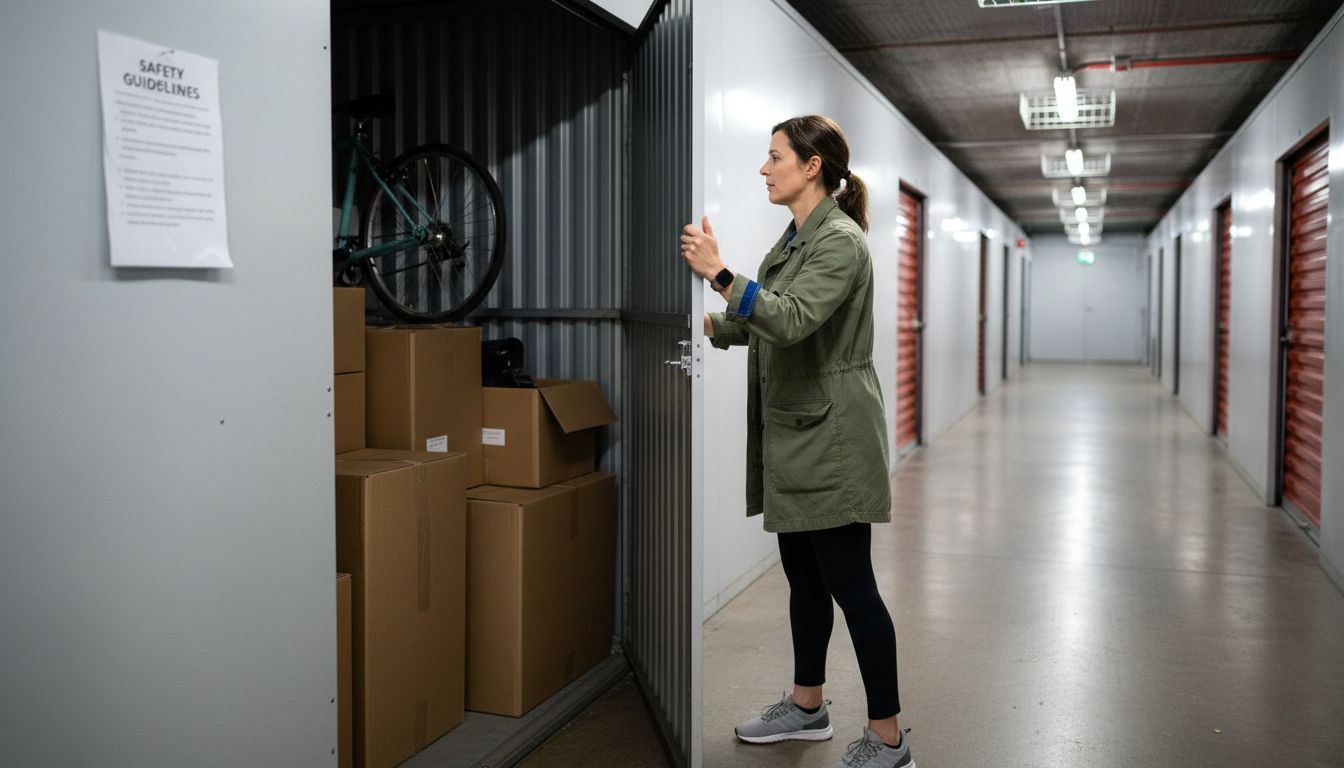
Self-storage facilities provide individual units ranging from small lockers to large garage sized spaces. Most offer 24/7 access or extended hours during site operating times, giving you flexibility to retrieve items whenever needed. Each unit typically features individual alarms and locks, allowing you to maintain complete control over your stored belongings.
Mobile storage containers vary in size, commonly 8 to 16 feet in length, offering flexibility for household moves. The company delivers an empty container to your property where it remains for an agreed period while you pack at your own speed. Once loaded, they collect the container and transport it to a secure storage facility. This approach reduces handling since your items stay in one container throughout the process, potentially lowering damage risk and costs.
Warehouse storage involves professional movers collecting and storing your items in a shared secure facility. You typically have limited or no direct access, instead requesting items through the facility manager. These facilities often feature manned surveillance, advanced security systems, and climate controlled environments. Professional handling means your items get carefully inventoried and tracked throughout storage.
Each storage type suits different moving styles:
- Self-storage works for people who need regular access and prefer hands on control
- Mobile storage suits those wanting convenience without multiple trips to a facility
- Warehouse storage fits people prioritizing security over access frequency
- Mobile options often prove more cost effective when you handle packing yourself
Exploring storage solutions for different needs helps you match container sizes to your specific household requirements.
Comparing Storage Types: Costs, Security, and Conditions
Understanding the practical differences between storage types helps you make informed financial and security decisions for your move.
| Storage Type | Weekly Cost | Security Features | Climate Control | Contract Flexibility |
|---|---|---|---|---|
| Self-storage | £30 to £50 | CCTV, individual locks, alarms | Available in 10 to 15% of units | Monthly rolling contracts common |
| Mobile storage | Competitive when self-packing | CCTV at facility, sealed containers | Rarely available | Flexible short term options |
| Warehouse | Often discounted for longer terms | Manned guards, CCTV, access control | Commonly available | Prefers 3 to 6 month minimum |
Security varies significantly across providers and storage types. Self-storage facilities typically feature CCTV coverage, perimeter fencing, and individual unit alarms. Mobile storage relies on secure offsite facilities with surveillance but offers less visibility once containers leave your property. Warehouse storage provides the highest security level with manned guards, comprehensive CCTV networks, and strict access protocols.
Climate control availability depends on what you are storing. Sensitive items like electronics, documents, or antiques benefit from temperature and humidity regulation. Around 10 to 15% of self-storage units offer climate control, usually at premium pricing. Warehouse facilities more commonly provide climate controlled environments. Mobile storage containers rarely include climate control since they are designed for temporary use.
Contract terms affect your flexibility and total costs:
- Self-storage typically offers monthly rolling contracts with notice periods
- Mobile storage provides flexible rental periods suited to moving timelines
- Warehouse storage often requires longer commitments but may offer bulk discounts
- Hidden fees for access, insurance, or early termination can significantly impact final costs
Pro tip: Always confirm exact security measures and insurance policies before committing to any storage provider. Ask specifically about CCTV coverage, staff presence, and what their insurance covers versus what you need to arrange independently.
Reviewing storage comparison details across different providers helps you identify the best value for your situation.
Common Misconceptions and Sizing Challenges
Several persistent myths about storage types lead to poor decisions and unnecessary costs during moves.
-
Mobile storage always costs more than self-storage: Reality depends on whether you value your packing time and transport costs. Mobile storage eliminates multiple trips to a facility, potentially saving fuel and time that offset any price difference.
-
All self-storage units include climate control: Only 10 to 15% of units offer temperature and humidity regulation. Many people assume basic units protect against environmental damage when they do not.
-
Storage facilities guarantee complete security against damage and theft: Insurance coverage and liability limits vary dramatically between providers. Some only cover specific perils or cap payouts well below your items’ actual value.
-
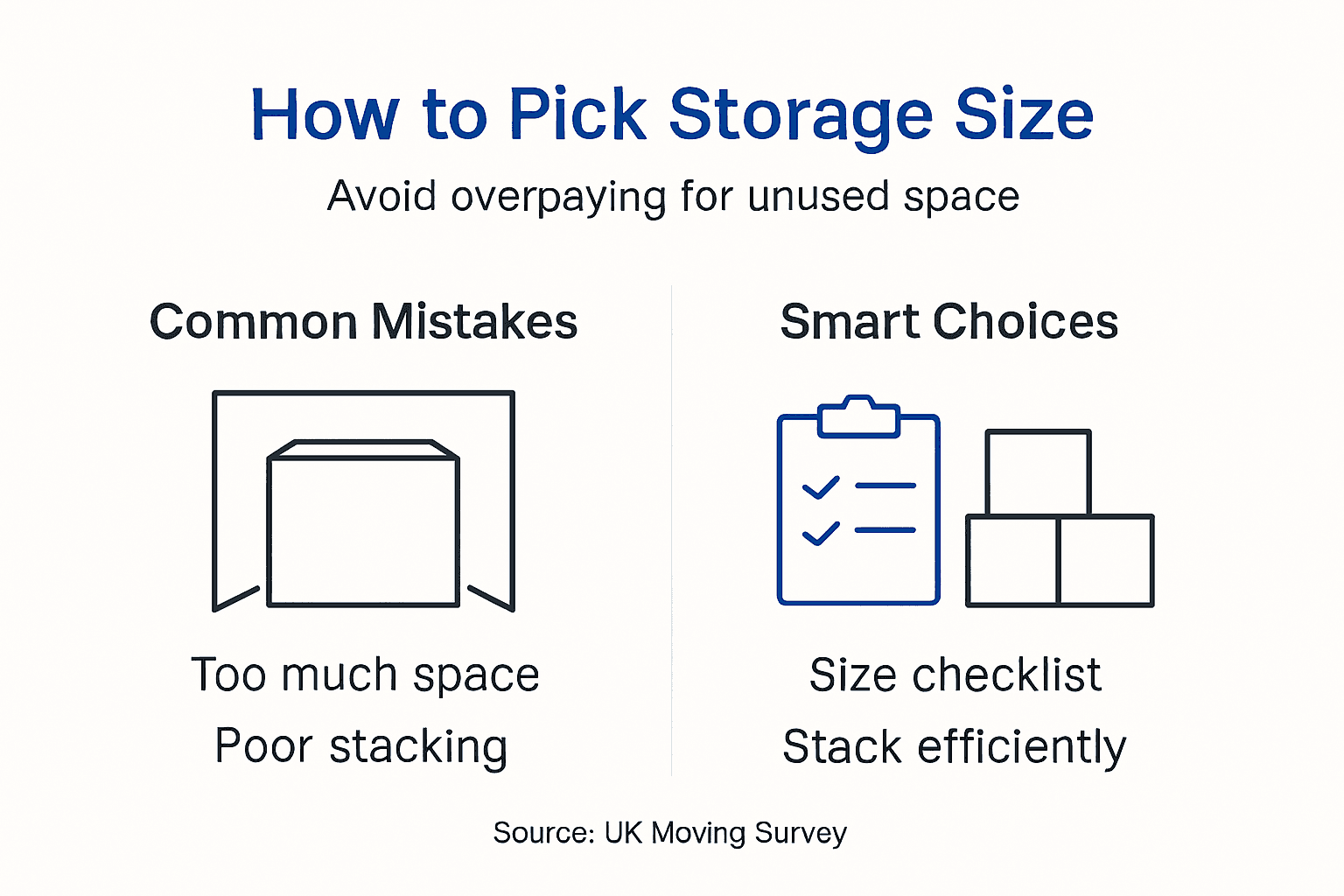
Bigger is always better for storage units: This belief drives the 40% oversizing problem. Renting a 150 square foot unit when you need 100 square feet wastes £10 to £20 weekly throughout your storage period.
“Carefully assess your actual storage volume needs before committing to a unit size. We regularly see customers paying for 30% more space than necessary simply because they did not take time to measure and plan properly. A professional assessment takes 30 minutes but can save hundreds over a typical storage period.”
Renters frequently overestimate space requirements because they visualize items spread out rather than efficiently stacked. Professional movers can often fit a two bedroom flat’s contents into a surprisingly compact space using proper packing and stacking techniques.
Guidance on choosing storage sizes helps you avoid the oversizing trap that inflates your moving budget unnecessarily.
How to Choose the Right Storage Type for Your Move
Selecting the optimal storage solution requires evaluating several factors specific to your moving situation.
-
Assess your storage duration and packing flexibility: If you need storage for under four weeks during a quick move, mobile storage offers maximum convenience. Longer periods of three months or more may favor self-storage or warehouse options with better monthly rates. Consider whether you can pack everything in one concentrated effort or need weeks to sort through belongings gradually.
-
Evaluate security needs based on item value: High value items like jewelry, art, or electronics warrant warehouse storage with comprehensive security. Standard household goods typically fare well in quality self-storage facilities with basic CCTV and access controls. Calculate your total stored item value and compare against each provider’s insurance caps and security measures.
-
Consider environmental control requirements: Leather furniture, electronics, important documents, musical instruments, and antiques all suffer damage from temperature swings and humidity. If storing climate sensitive items, prioritize facilities offering controlled environments even if they cost 20 to 30% more weekly. The protection justifies the premium.
-
Compare costs comprehensively including hidden fees: Request detailed quotes covering rental rates, insurance requirements, access fees, administration charges, and early termination penalties. Some providers advertise low weekly rates but add substantial fees that double your actual costs. Calculate total projected expenses across your expected storage duration.
-
Choose established local providers with transparent policies: North East England residents benefit from selecting providers with strong regional reputations and clear terms. Check online reviews specifically mentioning security, customer service, and billing transparency. Visit facilities in person to verify advertised conditions match reality.
Pro tip: Create a simple decision matrix scoring each storage type against your priorities. Weight factors like access frequency, security level, climate control, and cost according to your specific needs. This systematic approach prevents emotional decisions and ensures you select based on what truly matters for your move.
Exploring storage suitability tips provides additional guidance on matching storage features to your household’s unique requirements.
Conclusion: Making Your Storage Choice with Confidence
Understanding the practical differences between self-storage, mobile storage, and warehouse options empowers you to make decisions that save money and reduce moving stress.
Key considerations for your storage choice:
- Match storage type to your access needs and moving timeline
- Verify security measures and insurance coverage before signing contracts
- Choose appropriate unit sizes to avoid the 40% oversizing trap
- Factor climate control needs for sensitive belongings
- Compare total costs including all fees across your storage duration
The right storage solution prevents overspending while protecting your belongings throughout the moving process. Consulting experienced North East UK providers ensures you receive guidance tailored to regional moving patterns and typical storage durations. Professional advice helps you navigate options confidently, avoiding common pitfalls that complicate relocations.
Working with trusted local storage providers gives you access to decades of moving expertise and storage solutions designed for UK residential moves.
Simplify Your Move with Schott Removals’ Storage Solutions
After understanding storage types and making informed choices, having the right packing materials ensures your belongings stay protected throughout storage and transit. Schott Removals brings over 30 years of North East UK moving expertise to help families prepare properly for stress free relocations.
We offer comprehensive ranges of moving boxes for sale in various sizes suited to different household items, along with packing tape solutions and secure storage furniture designed for safe transport. Our family run business understands the challenges North East families face during moves and provides quality materials at fair prices. Visit our product pages to explore options and order everything needed for your upcoming relocation.
Frequently Asked Questions
What factors determine the best storage type for my move?
Your ideal storage type depends on timeline flexibility, security requirements, item sensitivity to environmental conditions, budget constraints, and how often you need access. Short term moves under four weeks often suit mobile storage, while longer periods may favor self-storage or warehouse options. High value items warrant warehouse security, whereas standard household goods work well in quality self-storage facilities.
Can I switch storage types if my needs change during my move?
Many providers offer flexible contracts allowing type changes, though terms vary significantly between companies. Self-storage typically provides the easiest switching since you control moving items in and out. Mobile and warehouse storage require coordination with the provider and may involve collection or delivery fees. Always review contract terms regarding modifications before committing to avoid unexpected charges when circumstances change.
How do I ensure my stored items remain secure and undamaged?
Choose facilities with comprehensive CCTV coverage, individual unit alarms, controlled access systems, and preferably manned security during business hours. Confirm insurance coverage details directly with your provider, understanding what perils they cover and maximum payout limits. Consider supplemental insurance if your belongings exceed the facility’s standard coverage caps. Proper packing using quality materials prevents damage during handling and storage.
What size storage unit do I need for a typical family move?
A one bedroom flat typically requires 75 to 100 square feet, while a two bedroom home needs 100 to 150 square feet of storage space. Three bedroom houses often need 150 to 200 square feet. These estimates assume efficient packing and stacking. Use provider sizing guides and consult moving experts who can assess your specific belongings. Professional estimates prevent the oversizing problem affecting 40% of renters and help you avoid paying for unused space.
Recommended
- DeWALT Dcs356 Foam Inserts DEWALT ToughSystem 2.0 Deep Compact Organiser 10 1/4" X 14 1 Dewalt Toughsystem 2.0 Organizer Central Bin Storage Dewalt Dwst8334 1
- 9 Zähler HAGER ZB52S Zählerschrank UniversZ IP44 SKII 2 Felder | 1400 Mm Hager Mbn116
- Boxen Aufbewahrung Aufbewahrung Kunststoff – Die 15 Besten Produkte Im Vergleich Aufbewahrungsbox Mit Deckel
- Abschließbarer Büroschrank Rollcontainer Metall, Mobiler Aktenschrank Büroschrank Mit 3 Schubladen SK024sz Buero Container Gebraucht
- Clawdbot API Cost Optimization: Smart Model Routing for Massive Savings