Most british homeowners discover just how vulnerable their valuables can be during a long-distance move across North East England. With high-value items at stake, finding secure storage is not a luxury but a necessity. Over 60 percent of brits say peace of mind comes from knowing their possessions are protected with advanced security and climate controls. This guide explains exactly what to look for so your most prized belongings stay safe and sound throughout every phase of your relocation.
Table of Contents
- Secure Storage Solutions Defined For Movers
- Types Of Storage: Self, Container, Managed
- Crucial Security Features To Look For
- Legal Rights And Provider Responsibilities
- Risks, Insurance, And Common Pitfalls
- Cost Breakdown And Choosing The Right Option
Key Takeaways
| Point | Details |
|---|---|
| Choose the Right Storage Type | Evaluate your specific needs to determine whether self-storage, container, or managed solutions are more suitable. |
| Prioritise Security Features | Look for comprehensive security measures, including 24-hour surveillance and climate control, to protect your belongings. |
| Understand Legal Obligations | Familiarise yourself with storage provider responsibilities, including data protection and liability clauses, to ensure accountability. |
| Assess Costs Carefully | Examine base rental prices alongside potential additional fees, such as insurance and access charges, to make informed financial decisions. |
Secure Storage Solutions Defined for Movers
Moving valuable possessions requires strategic planning and understanding of professional storage solutions. For homeowners across County Durham and the broader North East region, securing belongings during relocation involves more than simply finding a space to temporarily house items. Professional storage services provide comprehensive protection strategies that safeguard personal and professional assets during transitional periods.
Secure storage solutions encompass multiple critical elements designed to preserve item integrity and prevent potential damage. These typically include climate-controlled environments, robust security systems, insurance coverage, and specialised handling protocols. Facilities in regions like Darlington often feature advanced monitoring technologies, including 24-hour surveillance, secure access controls, and individualised storage units that protect against environmental fluctuations, humidity, temperature changes, and potential physical disruptions.
Effective storage solutions are categorised into several key types: short-term transitional storage, long-term archival storage, and specialised storage for unique items like antiques, electronics, or sensitive documents. Each category requires specific environmental conditions and security measures. For instance, electronic equipment might need temperature-regulated spaces, while artwork demands carefully controlled humidity levels and protection from direct sunlight.
Pro tip: Before selecting a storage facility, request a comprehensive walkthrough of their security infrastructure and ask detailed questions about environmental control mechanisms to ensure your valuables receive optimal protection.
Types of Storage: Self, Container, Managed
Movers across the United Kingdom have access to three primary storage solutions designed to accommodate different needs and preferences. Comparing storage options reveals nuanced differences that can significantly impact the protection and accessibility of personal belongings during relocation.
Self-storage units represent the most traditional option, offering indoor spaces with robust security features. These facilities typically provide climate-controlled environments, individual unit access, and comprehensive protection mechanisms. Located in urban centres across County Durham and the North East, these units are ideal for storing delicate items, furniture, and personal possessions that require consistent temperature and humidity management.
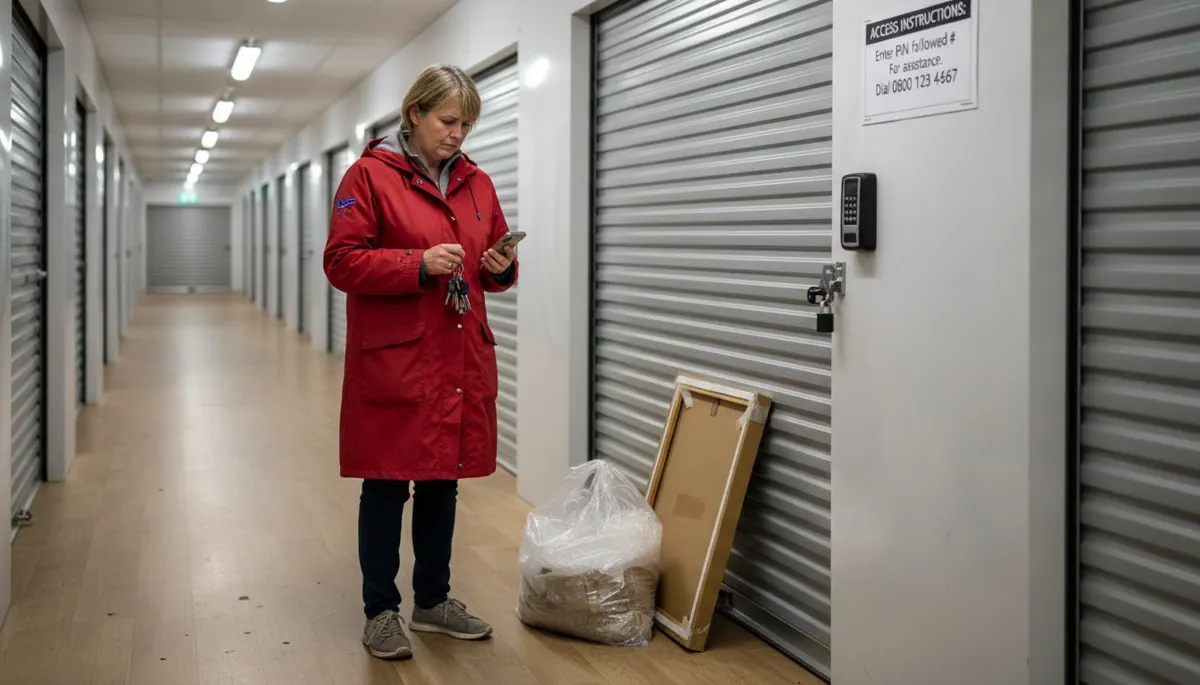
Shipping container storage presents an alternative solution particularly suited for bulky items or business inventory. These weather-resistant steel containers offer ground-level access and robust external protection. While generally more affordable, container storage lacks the refined environmental controls of traditional self-storage. Businesses and homeowners moving large quantities of items often prefer this option due to its scalability and cost-effectiveness.
Managed storage solutions combine the best attributes of self-storage and container storage, offering professional handling and comprehensive logistics support. These services provide tailored storage strategies, with providers managing everything from transportation to item preservation, making them an excellent choice for complex moving scenarios or individuals requiring hands-off storage management.
Pro tip: Before selecting a storage solution, conduct a detailed inventory of your items and assess their specific environmental and security requirements to choose the most appropriate storage type.
The following table compares the main features and benefits of different storage types available to movers in the UK:
| Storage Type | Key Features | Best For | Notable Limitations |
|---|---|---|---|
| Self-Storage | Indoor, climate controlled, secure | Personal items, delicate furniture | Higher cost, may require self-transport |
| Container Storage | Steel containers, ground-level | Bulky items, business inventory | Limited environmental protection |
| Managed Storage | Professional logistics, full service | Complex moves, hands-off management | Typically more expensive |
Crucial Security Features to Look For
When selecting a storage facility in the United Kingdom, understanding the comprehensive security measures becomes paramount for protecting valuable personal and professional assets. Security is not merely about locking doors, but involves a multi-layered approach that addresses physical, technological, and environmental risks across storage facilities in regions like County Durham and the broader North East.
Physical security represents the foundational layer of protection, typically encompassing robust mechanisms such as perimeter fencing, 24-hour CCTV surveillance, and controlled access points. Modern storage facilities employ sophisticated entry systems including biometric scanners, electronic key card access, and monitored entry logs that track every individual entering the premises. These systems create multiple barriers against potential unauthorized access, ensuring that only authenticated personnel can interact with stored items.
Technological security features extend beyond traditional physical protections, incorporating advanced digital safeguards. Encryption protocols, secure authentication mechanisms, and regular security risk assessments form critical components of comprehensive storage protection strategies. For businesses and individuals storing sensitive electronic equipment or confidential documents, these technological measures provide essential protection against potential data breaches or information compromise.
Environmental security represents another crucial dimension, involving climate control systems, humidity management, and structural integrity checks. These features protect stored items from potential damage caused by moisture, temperature fluctuations, and environmental degradation. Facilities that invest in sophisticated environmental monitoring can significantly reduce the risk of item deterioration during extended storage periods.
Pro tip: Request a comprehensive security walkthrough and detailed documentation of a storage facility’s security protocols before committing to their services.
Legal Rights and Provider Responsibilities
Navigating the complex landscape of storage regulations requires a comprehensive understanding of legal obligations for storage providers. In the United Kingdom, storage facilities across regions like County Durham and the North East must adhere to strict legal frameworks that protect consumers and ensure responsible management of personal and professional assets.
Legal responsibilities encompass multiple critical dimensions, including data protection, property security, and client confidentiality. Providers are mandated to comply with comprehensive legislation such as the Data Protection Act and General Data Protection Regulation (GDPR), which establish rigorous standards for handling and storing personal information. This includes maintaining secure record-keeping systems, implementing robust access controls, and ensuring that stored items remain protected against potential theft, damage, or unauthorized access.
Client rights form an essential component of storage provider obligations. Customers are entitled to transparent service agreements that clearly outline storage conditions, access protocols, insurance provisions, and liability parameters. Storage facilities must provide detailed documentation explaining their responsibilities, including precise information about environmental controls, security measures, and compensation procedures in the event of item damage or loss. These legal requirements create a framework of accountability that protects consumers and establishes clear expectations for service delivery.
International and national regulatory standards play a crucial role in defining storage provider responsibilities. Compliance with standards such as ISO 27001 demonstrates a commitment to maintaining high-level security and management practices. These standards require providers to implement systematic approaches to information security, including regular risk assessments, comprehensive incident response protocols, and ongoing security management strategies.
Pro tip: Always request and carefully review the storage facility’s formal service agreement, paying close attention to liability clauses, insurance coverage, and specific terms of property protection.
Risks, Insurance, and Common Pitfalls
Understanding the intricate landscape of storage risks requires careful examination of removals and storage insurance complexities. In regions like County Durham and across the North East, homeowners and businesses must navigate a complex web of potential challenges that could compromise their stored belongings.
Insurance coverage represents a critical safeguard against potential storage-related risks. Comprehensive policies typically address multiple scenarios, including damage from environmental factors, theft, accidental damage, and potential transit-related incidents. However, many consumers overlook critical policy limitations, such as exclusions related to specific perils like mould, moisture damage, or extraordinary events. Understanding these nuanced coverage parameters becomes essential for protecting valuable personal and professional assets.
Common pitfalls in storage often emerge from inadequate documentation and unclear communication between storage providers and clients. Many disputes arise from misunderstandings about liability boundaries, declared item values, and specific coverage terms. Customers must meticulously document their stored items, including detailed inventories, photographs, and accurate valuation statements. This proactive approach helps establish clear evidence in potential insurance claim scenarios and provides a robust defence against potential disputes.
Risk mitigation strategies extend beyond insurance documentation. Selecting appropriate storage facilities involves comprehensive assessment of security infrastructure, environmental controls, and provider reputation. Factors such as facility location, access protocols, surveillance systems, and climate management play pivotal roles in determining the overall safety of stored possessions. Clients should conduct thorough due diligence, requesting detailed information about risk management practices and seeking recommendations from trusted sources.
Pro tip: Create a comprehensive photographic inventory of items before storage, including serial numbers and estimated values, to streamline potential insurance claims and provide clear documentation of your belongings.
Cost Breakdown and Choosing the Right Option
Understanding storage costs requires careful consideration of multiple factors, particularly when navigating storage unit pricing across different UK regions. In areas like County Durham and the broader North East, storage expenses can vary dramatically based on unit size, location, contract duration, and specific service features.
Storage unit pricing typically ranges from £20 to £250 per week, with costs influenced by several key variables. Smaller lockers suitable for minimal personal items will naturally cost less than large units capable of storing furniture from entire households. Urban locations like Newcastle or larger cities tend to command premium prices compared to rural storage facilities in smaller towns across the North East. Customers should carefully evaluate their specific space requirements, avoiding oversized units that unnecessarily inflate expenses.
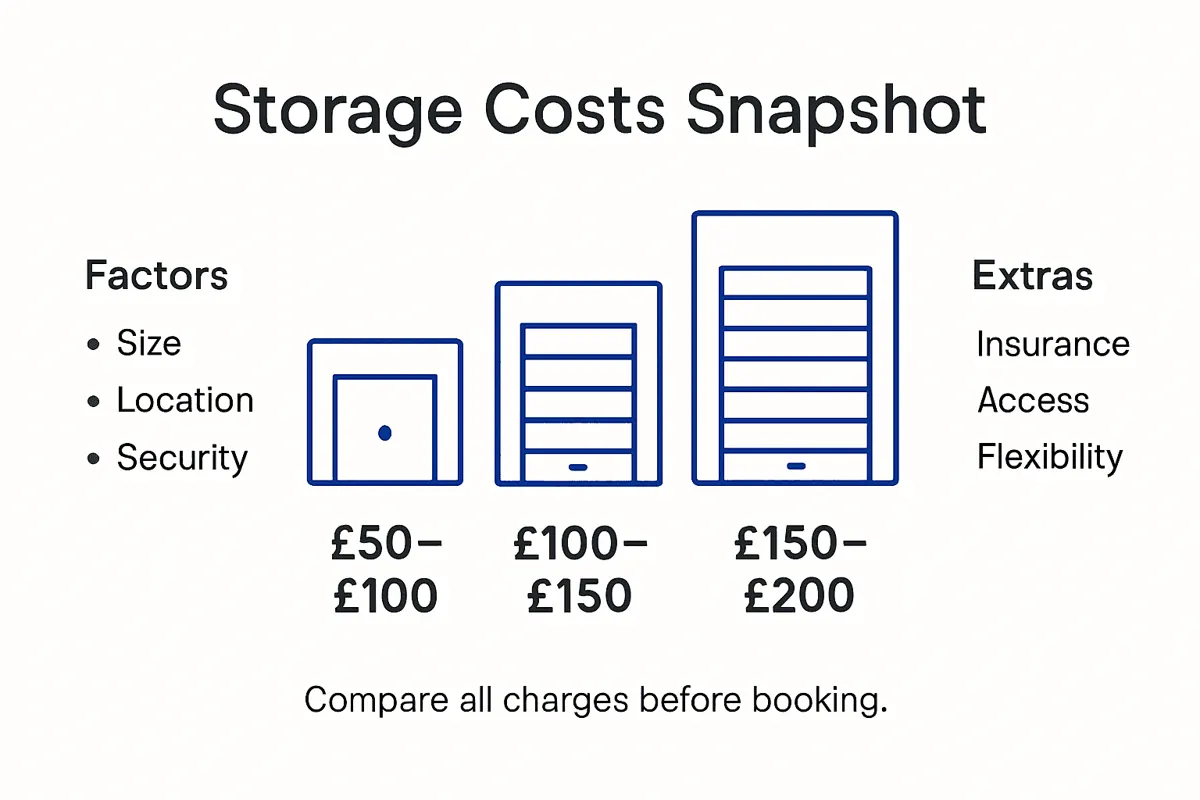
Beyond base rental costs, additional factors significantly impact overall storage expenditure. Contract flexibility, insurance provisions, access frequency, and supplementary services like packing assistance or transportation can substantially modify the final pricing structure. Some providers offer discounted rates for longer-term commitments, while others provide more expensive but more flexible short-term options. Comparing multiple storage providers becomes crucial in identifying the most cost-effective solution that meets individual storage needs without compromising on essential security and accessibility features.
Here is a summary of typical additional costs and factors to consider when choosing a storage provider:
| Cost Factor | Typical Range | When It Applies |
|---|---|---|
| Insurance Premiums | £5 – £30 per month | High-value or fragile items |
| Access Fees | £5 – £15 per visit | Frequent unit access needed |
| Packing/Transport | £50 – £200 one-off | Professional move-in/move-out service |
| Long-Term Discounts | 5% – 20% off standard rates | Contracts over 6 months |
Selecting the appropriate storage option involves a strategic balance between budget constraints and practical requirements. Potential customers should conduct comprehensive assessments of their storage needs, considering factors such as item fragility, duration of storage, potential environmental risks, and required access frequency. By meticulously evaluating these elements, individuals can make informed decisions that optimise both financial investment and item protection during transitional periods.
Pro tip: Request detailed, itemised quotes from multiple storage providers and carefully compare not just the base rental price, but also included services, insurance options, and potential additional fees.
Protect Your Valuables with Trusted Storage Solutions from Schott Removals
Moving presents unique challenges in securing your belongings against damage, theft, and environmental risks. The article highlights the importance of choosing secure storage options with climate control, robust security features, and clear insurance coverage. Many face concerns such as understanding legal responsibilities, avoiding common insurance pitfalls, and finding storage that suits specific needs like delicate furniture or bulky items.
At Schott Removals, we understand these challenges well. With over 30 years of experience serving Darlington, County Durham, and beyond, our family-run company offers comprehensive professional storage solutions tailored for every client. Whether you require short-term or long-term storage, managed storage with full logistics support, or local and national removals combined with secure storage, we prioritise the safety and wellbeing of your possessions every step of the way. Learn more about our commitment to reliability and customer satisfaction on our main website.
Secure your treasured belongings the smart way and avoid the stress of uncertain storage conditions.
Ready to protect your valuables with expert care from a trusted partner in the UK moving sector? Discover how our specialised storage services can provide peace of mind during your move. Visit Schott Removals now and request your personalised quote to get started.
Frequently Asked Questions
What are secure storage solutions?
Secure storage solutions are facilities designed to protect personal and professional belongings during relocations. They include climate control, security systems, insurance coverage, and specialised handling protocols to ensure the integrity of stored items.
What types of storage options are available for moving?
There are three primary types of storage options: self-storage units that offer indoor climate control, container storage for larger or bulk items, and managed storage solutions which provide professional handling and comprehensive logistics support.
What security features should I look for in a storage facility?
When selecting a storage facility, confirm it has robust physical security measures such as 24-hour CCTV, controlled access points, and advanced technological features like secure authentication and encryption to protect your belongings.
How much does it typically cost to use a storage unit?
Storage unit pricing can range from £20 to £250 per week, depending on factors such as unit size, location, and service features. Additional costs may include insurance premiums, access fees, and potential discounts for long-term contracts.
Recommended
- Secure Removal Services Explained: Expert Guide for UK and North East Moves 2025 | Schott Removals
- Managing Moving Day Logistics: Expert Tips for UK Moves 2025 | Schott Removals
- High Value Item Storage Solutions for Home Moves 2025 – Schott Removals
- Top Benefits of Professional Packers for UK & International Moves 2025 | Schott Removals
- 7 Essentiële veiligheidstips voor webshops voor ondernemers | BYTE24