Over 90% of secure storage facilities in the North East use 24/7 CCTV and individual alarms to guard your belongings. Many families planning residential moves underestimate the level of protection available locally. This guide clarifies types, security features, costs, and provider selection to help you confidently choose the right storage solution during your North East relocation.
Table of Contents
- Understanding Secure Storage For Residential Moves In The North East
- Key Security Features And Technologies In North East Storage Facilities
- Types Of Storage Units And Their Suitability For Residential Moves
- How To Choose The Right Storage Provider In The North East
- Common Misconceptions About Secure Storage
- Practical Tips For Using Secure Storage During Your Move
- Insurance And Legal Considerations For Secure Storage In The North East
- Summary: Making Informed Choices For Secure Storage In The North East
- Explore Secure Storage Solutions And Moving Supplies With Schott Removals
- Frequently Asked Questions
Key takeaways
| Point | Details |
|---|---|
| Security depends on facility systems | Unit size and price do not determine protection levels; focus on CCTV, alarms, and access controls. |
| Climate-controlled units protect sensitive items | The North East’s damp climate requires controlled temperature and humidity for antiques, documents, and electronics. |
| Flexible rental terms suit unpredictable moves | Month-to-month contracts avoid penalties when moving dates shift unexpectedly. |
| Personal insurance is critical | Facility insurance has limits and exclusions; obtain additional contents insurance for full coverage. |
Understanding secure storage for residential moves in the North East
Secure storage plays a vital role when managing possessions during relocations. Whether downsizing, bridging moves, or awaiting completion dates, proper storage keeps belongings safe. North East residents face unique challenges including unpredictable weather, compact urban housing, and varied completion timelines that make storage essential.
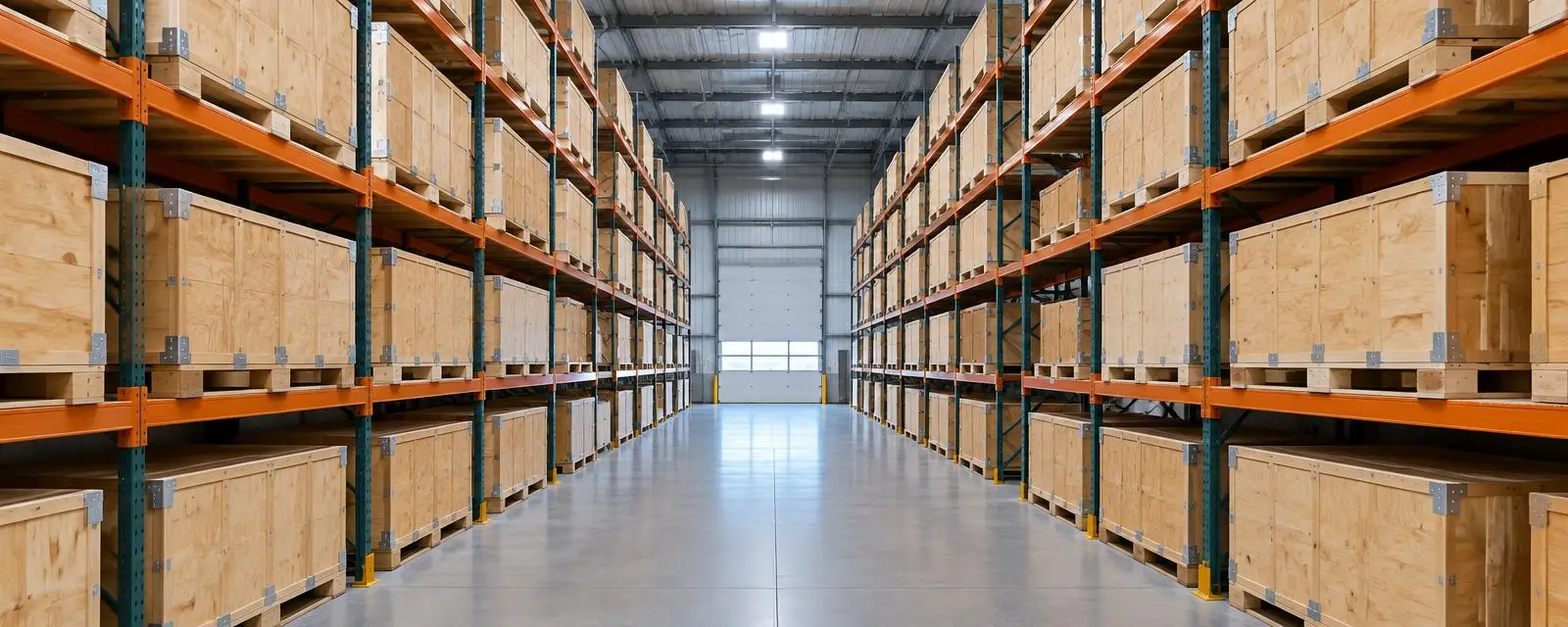
Two primary options dominate the local market. Self-storage facilities offer individual units with personal access, allowing you to visit and retrieve items whenever needed. Warehouse storage provides higher security with staff-monitored areas but restricts access to business hours. Each suits different needs based on how frequently you require access during your move.
Choosing appropriate storage affects both convenience and security. Self-storage works well for short-term needs where regular access matters. Warehouse storage suits longer-term situations where maximum protection outweighs access frequency. Understanding these distinctions helps match your specific moving circumstances to the right solution.
Key storage types include:
- Self-storage units with individual locks and flexible access
- Warehouse storage with staff monitoring and restricted access
- Climate-controlled facilities maintaining steady temperature and humidity
- Container storage for large-volume household moves
Key security features and technologies in North East storage facilities
Modern facilities implement multiple layers of protection. 24/7 CCTV surveillance, intruder alarms, and individual unit alarms form the foundation of secure storage. These systems work together to detect unauthorised entry and protect your possessions around the clock.
Access control methods ensure only authorised individuals enter. Electronic passes, PIN codes, and biometric scanners track who visits and when. This audit trail adds accountability and deters theft. Many facilities also employ on-site staff during business hours, providing human oversight alongside technological systems.
Fire safety compliance is strictly regulated across the North East. Facilities must maintain sprinkler systems, fire alarms, and regular inspections. Verifying a provider meets these standards protects your belongings from fire damage. Check for visible fire safety considerations during site visits.
“Facilities adopting comprehensive security measures including CCTV, alarms, and access controls see theft incidents drop by over 95% compared to basic storage.”
Essential security features to verify:
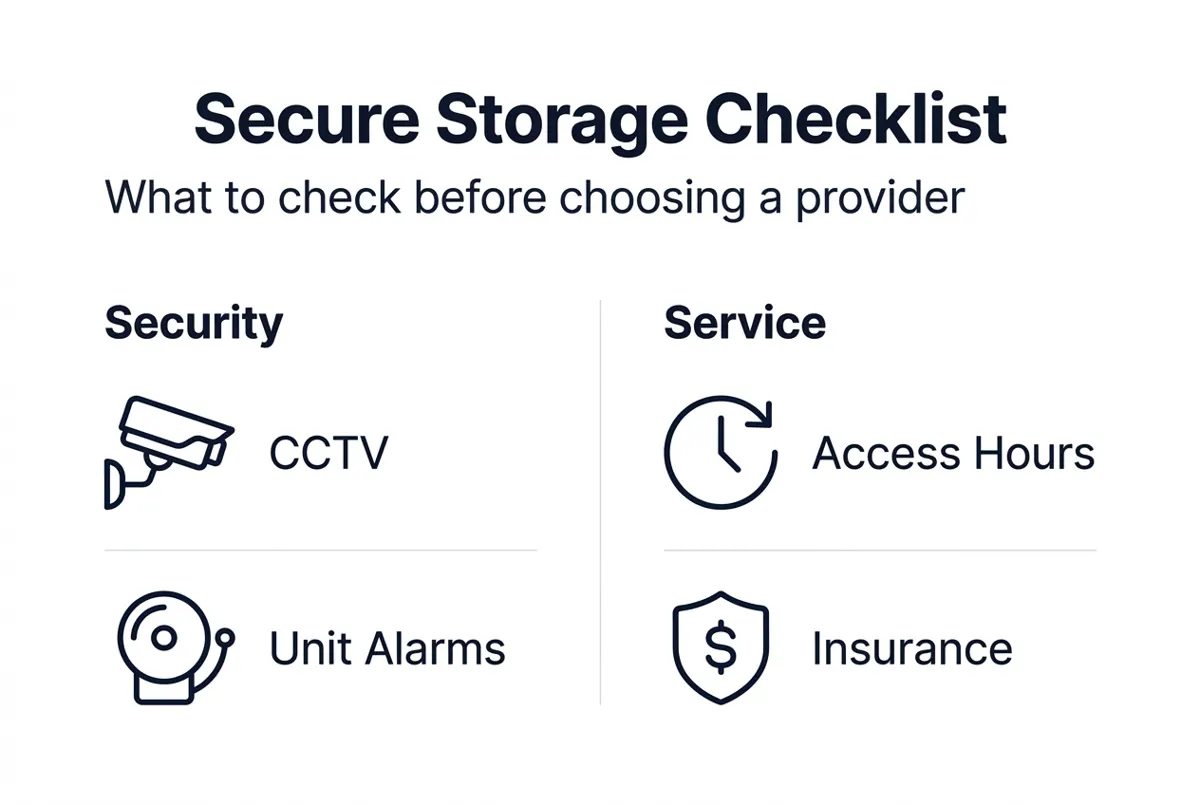
- 24/7 CCTV coverage across all access points and corridors
- Individual unit alarms triggering when unauthorised access occurs
- Electronic gate access requiring unique codes or passes
- On-site staff presence during standard business hours
- Regular security audits and equipment maintenance schedules
Consult security feature checklists when comparing providers. Understanding storage security technologies helps you ask informed questions during facility tours.
Types of storage units and their suitability for residential moves
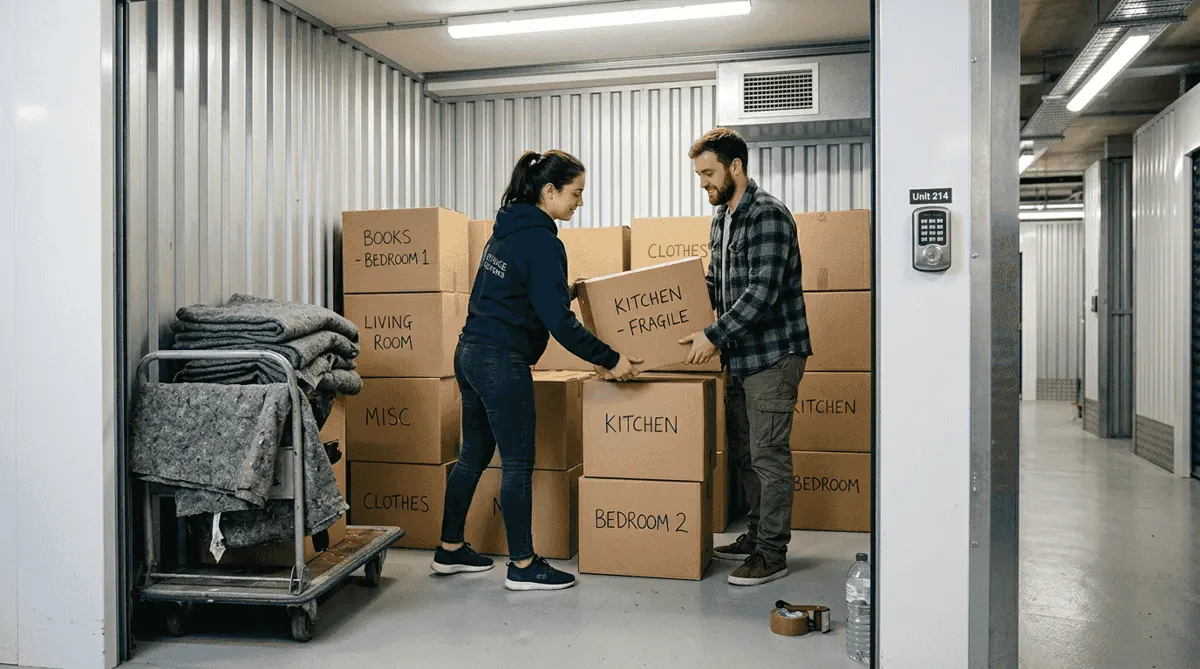
Self-storage units offer maximum flexibility. You receive your own lockable space accessible during extended hours, often 6am to 10pm daily. This suits moves requiring frequent access to stored items. Individual control over your unit allows adding or removing possessions as moving plans evolve.
Warehouse storage prioritises security over access. Staff monitor all entry and movement within the facility. You schedule visits in advance during business hours. This suits long-term storage where maximum protection matters more than regular access. Higher security justifies slightly elevated costs.
Climate-controlled units maintain consistent temperature and humidity (15-20°C) crucial for delicate possessions. The North East’s damp climate threatens antiques, electronics, documents, and musical instruments. Without climate control, condensation causes mould, warping, and corrosion over weeks or months.
| Storage Type | Security Level | Access Flexibility | Best For | Average Cost |
|---|---|---|---|---|
| Self-storage | Moderate to High | Very Flexible | Short-term moves, frequent access needed | £60-£120/month |
| Warehouse storage | Very High | Limited to business hours | Long-term storage, maximum security | £80-£150/month |
| Climate-controlled | High | Flexible | Sensitive items, damp climates | £90-£180/month |
| Container storage | Moderate | Very Limited | Large household moves, budget-conscious | £50-£100/month |
Pro Tip: Choose climate-controlled units for antiques, electronics, or documents when storing longer than four weeks in the North East’s damp conditions.
Benefits of each type:
- Self-storage: immediate access, personal control, flexible rental periods
- Warehouse storage: professional monitoring, enhanced fire protection, staff assistance
- Climate-controlled: protects against humidity damage, extends item lifespan, prevents mould
Explore storage container options if you need temporary on-site storage before moving to a facility.
How to choose the right storage provider in the North East
Start by comparing security features systematically. Create a checklist covering CCTV, alarms, access controls, fire safety, and staff presence. Visit facilities in person to verify advertised features actually exist and function properly. Ask to see monitoring systems and test access procedures.
Pricing varies significantly across the North East. Obtain detailed quotes including all fees: administration, security deposits, insurance, and access charges. Some providers advertise low base rates but add hidden costs. Compare total monthly expenses across at least three facilities before deciding.
Customer service quality affects your entire storage experience. Read online reviews focusing on responsiveness, flexibility with contract changes, and how disputes get resolved. Phone providers with questions to gauge their helpfulness and knowledge. Poor service creates stress during an already challenging move.
Contract terms require careful review. Month-to-month rentals offer maximum flexibility if moving dates remain uncertain. Avoid contracts with minimum periods exceeding three months. Check early termination penalties, which should not exceed one month’s rent. Clarify notice periods required before vacating your unit.
Insurance coverage needs verification. Facility insurance typically covers fire and flood but excludes theft, accidental damage, or items exceeding value limits. Most policies cap coverage at £2,000 to £5,000 per unit. Obtain separate contract and insurance information to fully protect valuable possessions.
Pro Tip: Opt for month-to-month rental with no early termination penalties if move completion dates remain uncertain or dependent on property chains.
Provider selection criteria:
- Security features matching your requirements and item value
- Transparent pricing without hidden fees or excessive deposits
- Positive customer reviews emphasising responsiveness and flexibility
- Clear contract terms with reasonable notice periods
- Adequate insurance options or allowance for personal policies
Check fire safety compliance info and security feature checklists when evaluating providers. Review local storage pricing trends and storage pricing comparisons to ensure competitive rates.
Common misconceptions about secure storage
Many movers believe larger, more expensive units provide better security. This is false. Security depends more on facility-wide features than on individual unit size or rental cost. A small unit in a facility with 24/7 monitoring offers better protection than a large unit in a poorly secured building.
Another common myth suggests all units protect against climate damage equally. Standard units lack temperature or humidity control. Only designated climate-controlled facilities maintain the steady conditions sensitive items require. Assuming basic storage protects electronics or antiques leads to expensive damage.
Facility insurance confusion causes serious coverage gaps. Most providers offer basic insurance covering fire and structural damage only. Personal belongings inside units often fall outside this coverage. Theft, accidental damage, or items exceeding policy limits require separate personal contents insurance.
“Over 60% of storage renters mistakenly believe facility insurance fully covers their stored possessions, discovering coverage gaps only when filing claims.”
Security quality indicators:
- CCTV systems, alarms, and access controls, not unit size
- Staff presence and monitoring frequency
- Fire safety compliance and emergency procedures
- Insurance policy details and coverage limits
Reality checks:
- Small units in secure facilities outperform large units in basic facilities
- Climate control is not standard; verify before storing sensitive items
- Facility insurance rarely covers personal belongings comprehensively
- Security depends on technology and procedures, not rental price
Understanding storage security myths prevents costly mistakes when selecting providers.
Practical tips for using secure storage during your move
Create a detailed inventory before storing anything. List every box and item with descriptions, photos, and estimated values. This documentation proves invaluable for insurance claims and helps locate specific items later. Label boxes clearly on multiple sides using waterproof markers.
Pack boxes to withstand storage duration. Use sturdy containers, bubble wrap for fragile items, and fill empty space to prevent shifting. Avoid overpacking boxes, which causes collapse and damage. Stack heavier boxes on bottom, lighter ones on top, maintaining clear walkways inside your unit.
Time your rental period carefully. Start storage one week before your moving date to avoid last-minute rushes. End the rental within days of move-in to minimise costs. Coordinate with moving companies offering integrated transport and storage to reduce handling and save time.
Step-by-step storage rental sequence:
- Research and visit facilities six weeks before your move
- Book your unit four weeks ahead securing preferred size and dates
- Arrange insurance coverage two weeks before storing items
- Pack and label boxes one week prior to storage start date
- Transport items on scheduled day with moving assistance if needed
- Conduct final unit check ensuring everything is secure and accessible
Pro Tip: Use robust packing materials including double-walled boxes, furniture covers, and moisture absorbers available from moving suppliers to protect belongings during extended storage.
Additional practical measures:
- Place frequently needed items near unit entrance for easy access
- Use shelving or pallets to keep boxes off floor preventing moisture damage
- Visit your unit monthly checking for leaks, pests, or security issues
- Update your inventory when adding or removing stored items
Explore storage and moving coordination tips for seamless transitions between properties.
Insurance and legal considerations for secure storage in the North East
Personal contents insurance differs fundamentally from facility insurance. Your home insurance may extend to stored items, but verify coverage limits and exclusions. Many policies cap storage coverage at 10% of total contents value or exclude items stored over 30 days. Obtain specific storage insurance if existing policies prove insufficient.
Facility insurance typically covers building damage from fire, flood, or structural failure. It rarely covers contents inside individual units. Policies often exclude theft, accidental damage by renters, or items exceeding £2,000 to £5,000 total value. Read facility insurance certificates carefully, noting exact coverage and exclusions.
Fire safety regulations require facilities to maintain sprinkler systems, fire-resistant construction, and regular inspections. Trading Standards and local fire services enforce these rules. Verify providers hold current fire safety certificates. Facilities failing inspections face closure, potentially leaving your belongings inaccessible during enforcement actions.
Provider licensing and insurance validity need verification. Legitimate facilities belong to trade associations like the UK Self Storage Association, indicating adherence to industry standards. Check providers maintain public liability insurance protecting you if facility negligence causes damage. Request copies of certificates before signing contracts.
Insurance recommendations:
- Verify your home insurance extends to stored items or obtain separate storage insurance
- Ensure coverage matches total stored item value, not just facility policy limits
- Check policy terms for exclusions, excess amounts, and claims procedures
- Keep receipts, photos, and inventory documentation for potential claims
Review insurance and legal compliance advice before finalising storage arrangements.
Summary: making informed choices for secure storage in the North East
Security depends on facility-wide features, not individual unit size or rental price. Prioritise CCTV, alarms, access controls, and staff monitoring when comparing providers. Climate control is essential for protecting sensitive belongings against the North East’s damp conditions, preventing costly damage over time.
Choose providers based on comprehensive criteria: verified security features, transparent pricing, positive customer reviews, flexible contract terms, and adequate insurance options. Visit facilities in person, read contracts carefully, and verify all advertised features before committing. Month-to-month rentals suit unpredictable moving schedules common in property chains.
Obtain appropriate personal insurance covering stored items fully. Facility insurance rarely protects contents comprehensively. Plan storage use carefully, coordinating rental dates with your moving schedule to reduce costs and stress. Creating detailed inventories and packing properly protects belongings throughout storage duration.
Final checklist:
- Verify security systems including CCTV, alarms, and access controls
- Choose climate-controlled units for sensitive or valuable items
- Compare pricing, contracts, and insurance across multiple providers
- Obtain personal contents insurance covering full stored item value
- Coordinate storage dates closely with moving schedule to minimise costs
Explore secure storage solutions and moving supplies with Schott Removals
Schott Removals offers trusted storage services and comprehensive packing supplies for North East moves. With over 30 years of experience, our family-run company understands local relocation challenges. We provide expert advice matching your specific needs to appropriate storage solutions.
Our shipping and moving boxes protect belongings during transport and storage. Access our detailed relocation guide for additional moving tips. Visit the Schott Removals homepage to explore services or contact our team for personalised assistance with your residential move.
Frequently asked questions
What are the essential security features to look for in a North East storage facility?
Look for 24/7 CCTV covering all access points, individual unit alarms, electronic access controls requiring unique codes, and on-site staff during business hours. Fire safety compliance with sprinkler systems and regular inspections is equally important. Verify these features exist and function during facility visits.
How does climate-controlled storage protect my belongings?
It maintains steady temperature between 15-20°C and controls humidity levels, preventing condensation and mould growth. This protection is crucial for antiques, electronics, documents, musical instruments, and leather goods. The North East’s damp climate makes climate control essential for storage exceeding four weeks.
Can I trust facility insurance to cover damages to my stored items?
Facility insurance typically covers only building damage from fire or flood, not contents inside units. Policies often cap coverage at £2,000 to £5,000 and exclude theft or accidental damage. Obtain separate personal contents insurance covering your stored belongings’ full value to avoid expensive coverage gaps when problems occur.
Recommended
- DeWALT Dcs356 Foam Inserts DEWALT ToughSystem 2.0 Deep Compact Organiser 10 1/4" X 14 1 Dewalt Toughsystem 2.0 Organizer Central Bin Storage Dewalt Dwst8334 1