
Moving home in places like County Durham or Newcastle often means juggling boxes, shifting furniture, and waiting for property dates to line up. These moments can feel chaotic, especially when a family’s possessions need safe keeping until their new home is ready. Understanding what storage truly offers—whether short or long term—is more than a convenience. This guide explains the core definition of storage, clears up misconceptions, and highlights why secure, organised storage makes relocation in the North East smoother and less stressful.
Table of Contents
- What Is Storage? Core Definition And Misconceptions
- Types Of Storage Solutions For UK House Moves
- Key Benefits Of Using Storage During Relocation
- Common Scenarios When Storage Is Essential
- Costs, Risks And Mistakes To Avoid With Storage
Key Takeaways
| Point | Details |
|---|---|
| Understanding Storage | Storage encompasses both short-term and long-term solutions, catering to diverse needs during house moves and renovations. |
| Myth Busting | Common misconceptions include storage being only for emergencies and items being inaccessible; modern storage solutions offer flexibility and easy access. |
| Types of Storage Solutions | Familiarise yourself with various storage types, such as self-storage, portable containers, and full-service options to choose the best fit for your needs. |
| Cost Awareness | Be mindful of potential hidden fees and ensure you have a clear budget that includes all expected expenses for your storage solution. |
What Is Storage? Core Definition And Misconceptions
Storage is simply the process of keeping your possessions safe in a designated location until you need them again. It sounds straightforward, but there’s far more nuance than most people realise.
The term covers both physical items like furniture, household goods, and documents, as well as digital files. Whether you’re storing a sofa whilst renovating your Darlington home or important boxes during a house move in County Durham, the principle remains the same: a secure, organised space that protects your belongings.
Understanding What Storage Actually Is
Secure storage involves keeping items both short and long-term using appropriate methods that maintain the condition and accessibility of what’s stored. For a family moving house, this might mean renting a storage unit for several weeks. For others, it could mean keeping items in climate-controlled facilities for months or even years.
The key difference many people miss: storage isn’t just temporary. It can span from a few days to indefinite periods, depending on your needs.
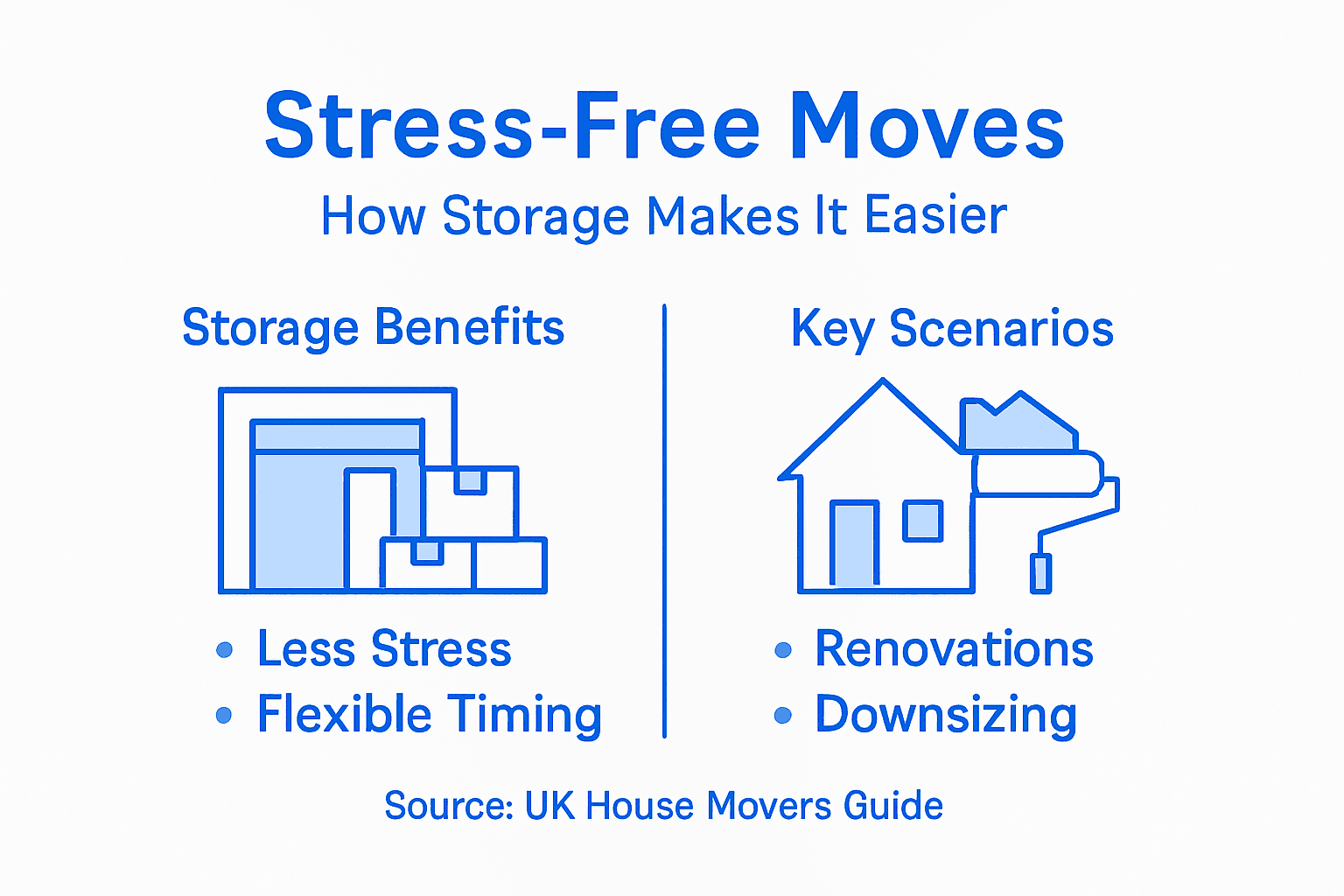
Common Misconceptions About Storage
People often believe storage is only a short-term solution for moving day chaos. That’s the biggest myth. Storage is equally valuable for long-term needs—whether you’re downsizing, renovating, or managing life changes in places like Bishop Auckland or Newcastle.
Another misconception is that storage means your items are inaccessible. Modern storage facilities, including those offered by professional removal companies like Schott Removals, provide regular access to your belongings whenever you need them.
Here are other common misunderstandings:
- Storage is expensive: Many assume it costs a fortune, but rates vary widely depending on unit size and duration
- Your items won’t be protected: Quality storage facilities use climate control, security systems, and proper handling to safeguard belongings
- You can’t retrieve specific items: Professional storage operators keep detailed inventories so you can request access to particular boxes or furniture
- Storage is only for emergencies: Families use storage for house renovations, relocations, and lifestyle transitions regularly
Why Clarity Matters for Your Move
When you understand what storage truly offers, you can make better decisions about your house move. If you’re relocating within the North East and need flexibility during your transition, storage provides breathing room.
Storage isn’t a sign of disorganisation—it’s a practical tool that gives you control over your moving timeline and reduces stress significantly.
The difference between temporary moving storage and long-term storage solutions matters too. A three-week storage rental during your move in Stockton-on-Tees or Gateshead serves a different purpose than storing items whilst your new property undergoes modifications.
Pro tip: Ask your removal company about their storage inventory system before booking—knowing you can access specific items without waiting days makes the entire moving process smoother and less stressful.
Types Of Storage Solutions For UK House Moves
Not all storage is created equal. When you’re moving house in the North East, understanding your options helps you choose the solution that truly fits your situation and budget.
Different storage types serve different purposes. Some work brilliantly for short-term moves, whilst others excel for long-term storage during renovations or extended relocations across County Durham or Darlington.
Self-Storage Units
Self-storage units are the most common choice for UK house moves. You rent a secure, individual space and manage access yourself, visiting whenever you need to retrieve or add items.
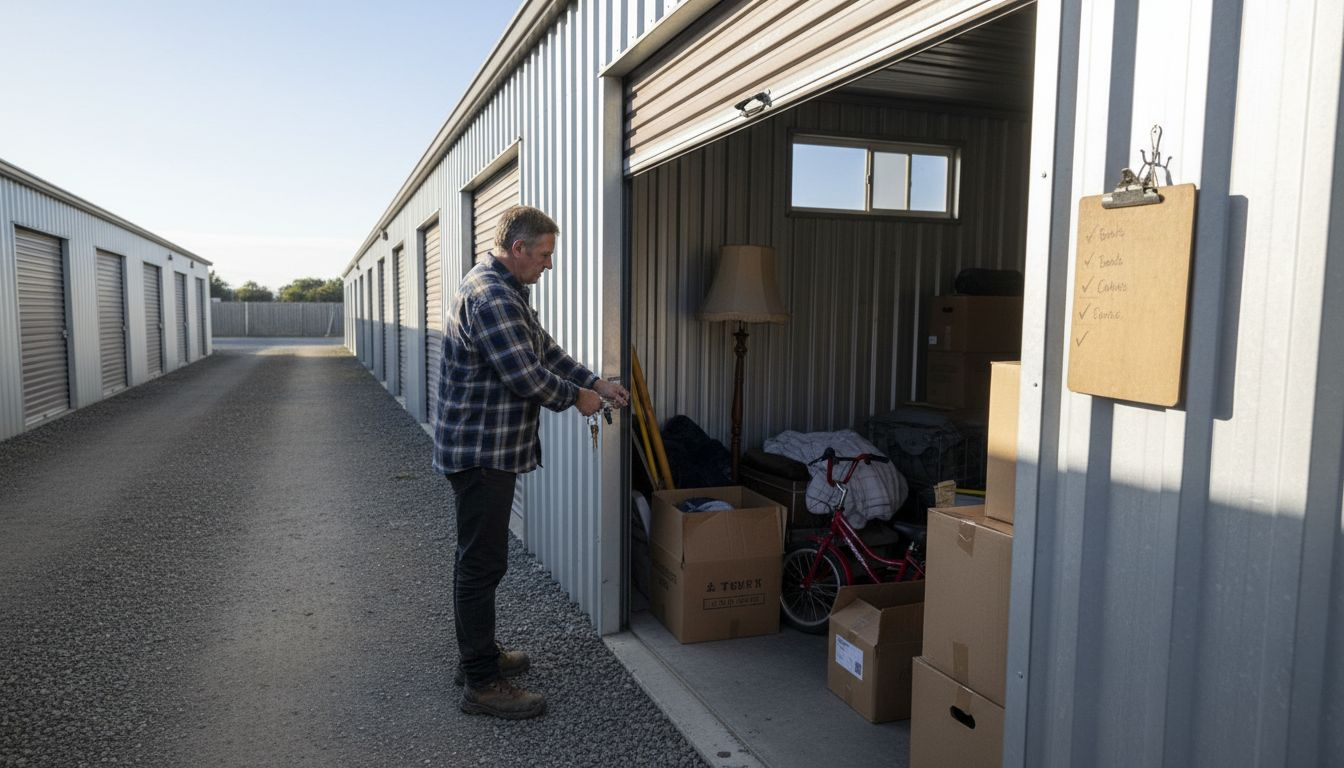
These units come in various sizes, from small cupboard-like spaces to large rooms that can hold an entire house’s contents. Climate control is often available for an additional cost, which protects furniture and electronics from temperature fluctuations.
Key advantages of self-storage:
- You control access—visit anytime during opening hours
- Flexible rental periods from days to years
- Options in most UK locations, including areas near Stockton-on-Tees and Gateshead
- Usually more affordable than other storage types
- You pack and organise items yourself
Portable Storage Containers
Storage containers are delivered directly to your home, loaded at your pace, then collected and stored in a secure facility. This eliminates multiple trips to a storage unit and reduces moving stress significantly.
You load the container on your own schedule, and the company handles transport and storage. Many families moving in Bishop Auckland or Newcastle prefer this hands-off approach.
Portable containers offer:
- Convenience—no trips to external storage facilities
- Professional handling of the container itself
- Flexible loading and unloading windows
- Protection from weather during the moving process
- Ideal for coordinating removals with house purchase timelines
Full-Service Storage Solutions
Full-service storage means a removal company manages everything. They collect your belongings, transport them, store them securely, and return them when you’re ready. Schott Removals offers this comprehensive approach for families throughout the North East.
This option suits busy families or those coordinating complex moves. You arrange a collection date, and professionals handle the rest until your new home is ready.
The right storage solution depends on your access needs, budget, how long you need storage, and whether you prefer managing the process yourself or delegating it entirely.
Full-service benefits include:
The following table compares the main UK storage solutions and when they are most effective:
| Storage Solution | Typical Users | Most Effective For | Unique Benefit |
|---|---|---|---|
| Self-Storage Units | Movers needing frequent access | Long-term, gradual relocations | Flexible entry and exit times |
| Portable Containers | Families on tight schedules | Short-term, single-move transitions | No commute to storage site |
| Full-Service Storage | Busy or distant movers | Complex moves or international relocations | Professionals handle all logistics |
- Complete peace of mind—professionals handle everything
- No need to visit storage facilities
- Expertise in packing and protecting items
- Ideal for international relocations or extended storage periods
- Reduces physical strain during house moves
Choosing Your Storage Type
Consider these factors when deciding which storage solution suits your house move:
- Duration: Short moves favour portable containers; longer storage suits traditional units
- Access frequency: Self-storage if you need regular access; full-service if you rarely need items
- Budget: Self-storage typically costs less; full-service costs more but saves time
- Convenience: Portable and full-service options require less effort than self-storage
- Distance: Moving far? Full-service removes the logistics headache
Pro tip: Request quotes from at least two providers and ask specifically about insurance coverage, access hours, and any hidden fees—transparent pricing prevents surprises when finalising your moving arrangements.
Key Benefits Of Using Storage During Relocation
Storage transforms a chaotic house move into something manageable. When your new property isn’t ready or your old one still has a tenant, storage bridges the gap seamlessly.
For families relocating within the North East, storage removes the pressure of coordinating perfect timelines. You control when items arrive, not the other way around.
Reduces Moving Stress
Storage offers a transitional space when moving dates don’t align perfectly, allowing you to move at your own pace without panic. This breathing room is invaluable during house moves in County Durham or Darlington where property completion dates can shift unexpectedly.
Instead of cramming everything into your new home on day one, you spread the process across weeks or months. Your family can settle in gradually, unpacking boxes without the chaos of furniture blocking hallways.
Stress reduction happens because:
- No forced completion deadlines for moving day
- Time to clean your old property thoroughly
- Space to sort and organise belongings before unpacking
- Flexibility to handle unexpected delays
- Ability to coordinate with school terms and work schedules
Decluttering Becomes Easier
Storage creates space to evaluate what you actually need. When boxes are stored away, you’re not living amongst half-unpacked containers whilst deciding what stays and what goes.
Families moving in Bishop Auckland or Gateshead benefit from this separation. You can unpack the essentials first, live comfortably, then gradually bring out remaining items as needed. Many items never get removed from storage—a clear sign they weren’t necessary anyway.
This approach naturally leads to downsizing without the guilt of throwing away perfectly good items.
Protects Your Belongings
Climate-controlled storage shields furniture, electronics, and documents from temperature swings and humidity damage. Your sofa won’t fade, and wooden items won’t warp during months of storage.
Security features protect against theft. Professional facilities have cameras, alarms, and controlled access. Your valuables and sentimental items remain genuinely safe.
This table summarises which storage features increase protection and peace of mind for your move:
| Feature | Purpose | Impact on Belongings |
|---|---|---|
| Climate Control | Maintains steady conditions | Prevents damage from humidity or heat |
| Security Systems | Detects unauthorised access | Reduces theft risk |
| Inventory Tracking | Locates items easily | Streamlines item retrieval |
| Insurance Cover | Financial compensation | Safeguards against unexpected losses |
Enables Staged Moving
You don’t have to move everything simultaneously. Some families move essentials first, then return for furniture and boxes once unpacking has begun. This staged approach prevents overwhelming situations where children’s rooms can’t be set up because boxes block the doorway.
Storage allows you to move on your timeline, not your property’s timeline—and that control dramatically reduces moving day anxiety.
Staged moving benefits:
- Set up beds and essential furniture first
- Create liveable spaces before unpacking everything
- Avoid excessive clutter whilst adjusting to a new property
- Reduce strain on moving day with fewer items to transport at once
Peace Of Mind For Long Transitions
If you’re renovating your new home before moving in, storage keeps belongings safe and out of the way. Building work becomes less chaotic when furniture isn’t stacked in corners gathering dust.
Similarly, if you’re downsizing from a large family home to something smaller, storage buys time to sell or donate items properly rather than dumping everything at the kerb.
Pro tip: Label storage boxes by room and contents before moving them into storage—this simple step saves hours of frustration when you need to locate specific items during unpacking.
Common Scenarios When Storage Is Essential
Some house moves practically demand storage. These situations aren’t edge cases—they’re common challenges that families relocating in the North East face regularly.
Understanding which scenarios require storage helps you plan ahead and avoid last-minute panic. The right storage solution transforms potential chaos into a manageable transition.
Property Chain Delays
Property chains in the UK rarely align perfectly. Your old house sells, but the buyer’s finances delay completion. Meanwhile, you’ve already exchanged on your new property in Darlington or County Durham.
Storage is crucial when there’s overlap between moving out and moving in, particularly during property chain uncertainties. This gap—sometimes weeks long—is precisely when storage saves families from temporary homelessness or expensive temporary accommodation.
Property chain scenarios:
- Your completion date is later than your old property’s departure date
- The buyer’s mortgage falls through, extending your timeline
- Your purchase completes earlier than expected, forcing early possession
- Chain breaks force rescheduling for all parties involved
Renovations Before Moving In
Many families purchase properties needing work. Kitchens need updating, bathrooms require fitting, or walls need repainting. You can’t move belongings into a space with builders everywhere.
Storage keeps your possessions safe whilst tradespeople access every room. Your furniture isn’t covered in plaster dust, and your boxes don’t block the builders’ pathways. Once renovation finishes, you move in to a completed, beautiful home.
Renovation timing for families moving in Newcastle or Bishop Auckland can stretch from weeks to months. Storage flexibility means you’re not pressured to move in prematurely.
Downsizing From Larger Properties
Moving from a four-bedroom house to a two-bedroom bungalow means surplus furniture and belongings. Storage provides space to evaluate what you genuinely need in your new, smaller home.
Temporary storage allows you to unpack essentials first, live comfortably, then gradually bring in additional items. You’ll discover quickly what’s essential and what’s taking up precious space unnecessarily.
Downsizing benefits with storage:
- Time to decide what stays and what’s sold or donated
- No forced rush to make immediate decisions on moving day
- Space to list items for sale without cluttering your new home
- Ability to give items to family members who genuinely want them
Early Packing When Moving Dates Align
Sometimes you can pack weeks before moving day. Your new property is ready, but you’re still living in the old one. Storage accepts packed boxes now rather than cluttering your current home.
This early packing approach suits families with school-age children. You pack around them, reducing disruption when the actual house move happens.
Extended Relocation Gaps
Job relocations, overseas assignments, or building projects sometimes mean moving sooner than your new home is ready. Storage bridges these gaps, protecting belongings whilst you establish yourself in a new area.
When property timelines, renovations, or life circumstances don’t align, storage isn’t a luxury—it’s the practical solution that protects your peace of mind and your possessions.
Combined Scenarios
Many relocations involve multiple challenges simultaneously: chain delays plus renovations, downsizing whilst managing property completion dates, or early packing combined with extended timelines.
Storage handles complexity. You’re not juggling conflicting demands—storage absorbs the pressure, allowing each part of your move to proceed at its own pace.
Pro tip: Book storage at the same time you confirm your moving date—this ensures availability during peak moving seasons and locks in pricing before demand drives costs higher.
Costs, Risks And Mistakes To Avoid With Storage
Storage isn’t free, and mistakes can turn an affordable solution into an expensive problem. Understanding costs upfront and avoiding common pitfalls protects your budget and your belongings.
Families relocating in the North East often underestimate storage expenses or overlook hidden fees. Planning carefully prevents unpleasant surprises when your invoice arrives.
Understanding Storage Costs
Storage pricing varies significantly based on unit size, location, and duration. A small self-storage unit in Darlington costs less than a large climate-controlled facility in Newcastle. Monthly rates typically range from £30 for tiny spaces to £200 plus for larger units.
Duration affects pricing too. Weekly storage costs more per day than monthly storage. If you’re uncertain how long you’ll need storage, choosing a longer commitment often saves money compared to extending week-to-week.
Common cost factors:
- Unit size: Larger units cost proportionally more
- Climate control: Temperature-regulated facilities charge 20-40% extra
- Location: Central areas cost more than outskirts
- Access frequency: 24-hour access sometimes incurs additional fees
- Insurance: Optional but recommended coverage adds to costs
- Setup fees: Some facilities charge deposits or administration fees
Hidden Fees To Watch For
The advertised price isn’t always the final price. Hidden charges creep in unexpectedly, inflating your total costs.
Administration fees are common when you sign contracts. Lock purchases (if you bring your own padlock) might be prohibited, forcing you to buy theirs. Damage charges for minor dents or scratches can be substantial. Late payment penalties apply if you miss rent deadlines.
Always request a complete written quote listing every possible charge before committing to storage.
Common Storage Mistakes
Mistake one: Renting too small a unit. You squeeze in items, damaging furniture and making retrieval difficult. Rent slightly larger than you think you need—the extra £10-15 monthly prevents frustration.
Mistake two: Not insuring your belongings. Standard facility insurance covers building damage, not your possessions. Personal storage insurance costs £5-15 monthly and protects irreplaceable items.
Mistake three: Poor packing and organisation. Unmarked boxes become impossible to find. Label everything clearly by room and contents.
Mistake four: Storing unsuitable items. Perishables, plants, and temperature-sensitive electronics deteriorate in storage. Know what’s prohibited before you move items in.
Mistake five: Forgetting about stored items. Boxes remain in storage months longer than necessary because you forget they’re there.
Risk Management For Valuable Items
High-value possessions require extra care. Jewellery, artwork, and electronics should be photographed with serial numbers recorded. This documentation proves ownership if theft occurs.
Sentimental items deserve climate-controlled storage. Photographs, documents, and heirlooms deteriorate in fluctuating temperatures and humidity.
Furniture protection matters during long-term storage. Use dust covers and moisture-absorbing packets to prevent damage.
Smart storage isn’t just about finding space—it’s about protecting your investment with proper planning, realistic budgeting, and appropriate insurance coverage.
Realistic Budget Planning
For a three-month storage rental of a medium unit in County Durham or Bishop Auckland, budget approximately £250-400 total. This includes the unit rental plus insurance. Add extra if you require climate control or need the unit before your moving date.
Compare quotes from multiple providers. Schott Removals and other professional removal companies often offer competitive storage rates as part of comprehensive moving packages, potentially saving money versus renting storage separately.
Account for these actual costs:
- Unit rental (monthly rate × months needed)
- Insurance (monthly coverage × months needed)
- Access fees (if applicable)
- Any setup or administration charges
- Transport to storage facility (if self-storage)
Pro tip: Get everything in writing before signing—confirm the monthly rate, total duration cost, included access hours, insurance details, and cancellation terms so no surprises appear on your final invoice.
Make Your Move Stress-Free with Expert Storage Solutions
Managing the uncertainties and tight schedules of house moves can feel overwhelming. Whether you face property chain delays, need safe space for renovations, or require a staged moving approach, the right storage is the key to regaining control. At Schott Removals, we understand that storage is more than just space – it is your partner in reducing stress, protecting your belongings, and providing flexible access exactly when you need it.
Discover how our tailored storage services can support your move in Darlington, Newcastle, or anywhere in the UK and beyond. Benefit from over 30 years of family-run expertise, transparent pricing, and comprehensive options including climate control and full-service handling. Don’t wait until moving day chaos sets in – visit Schott Removals now and secure your ideal storage solution. Let us handle the logistics while you focus on starting your new chapter with confidence.
Frequently Asked Questions
What are the benefits of using storage during a house move?
Using storage during a house move provides flexibility, reduces stress, and allows you to manage your belongings at your own pace. It helps bridge gaps when moving dates don’t align, and offers space to evaluate what to keep or discard.
How does storage help in decluttering before moving?
Storage helps you separate items that are essential from those that can be packed away until needed. This makes the packing process more organised and reduces clutter in your new home, allowing you to settle in more comfortably.
What types of storage solutions are available for moves?
The main types of storage solutions include self-storage units, portable storage containers, and full-service storage options. Each type serves different needs based on access frequency, duration, and convenience during your move.
Are my belongings safe in storage facilities?
Yes, professional storage facilities typically offer climate control and security features to protect your belongings. Additionally, it’s advisable to consider insurance for your items to further safeguard against unforeseen events.
Recommended
- Wellpappkarton 10x4x4 Zoll Packkartons Versandkarton Set 4x4x48 Shipping Boxes 100-Pack 10x4x4 Inch Corrugated Cardboard Boxes For Shipping, Moving & Mailing Cardboard Packing Boxes Quadratrohr 40x40x4
- Abschließbarer Büroschrank Rollcontainer Metall, Mobiler Aktenschrank Büroschrank Mit 3 Schubladen SK024sz Buero Container Gebraucht
- Abroller Für Paketband Haus Umzug Klebeband 6 Verschiedene Namen Rollen X 12 Rollen Wonder Tape
- Aufbewahrungstrühe Aus EVOTECH Für Außenbereich Keter Aufbewahrungsbox ‘Darwin’, 662 Liter, | Deutschland Keter Darwin Aufbewahrungsbox 662 Liter
- LAX Airport Transfer – 5 Tips for a Smooth pickup
- Stress-Free Travel with Chauffeur Services Los Angeles