
Every british business faces a crucial moment when valuable office equipment needs to be relocated without disruption. In the United Kingdom, strict logistics standards and legal requirements guide the movement of everything from computers to complex machinery. With thousands of office moves happening each year across Britain, understanding the essentials of safe office equipment transport protects investments and keeps workplaces running smoothly. This guide unpacks how expert planning, careful packing, and legal know-how ensure that each asset travels safely from one location to another.
Table of Contents
- Defining Office Equipment Transport
- Types of Office Equipment and Packing Methods
- Transport Process for Local and Long-Distance Moves
- UK Legal Duties and Insurance Considerations
- Risks, Costs, and Mistakes to Avoid
Key Takeaways
| Point | Details |
|---|---|
| Comprehensive Planning is Essential | Office equipment transport requires detailed strategies tailored to each item to minimise disruption and protect assets. |
| Specialised Handling and Packing Methods | Different categories of office equipment demand unique packing techniques to safeguard against damage during transit. |
| Legal and Insurance Obligations | Understanding legal responsibilities and insurance requirements is crucial for compliance and risk management during office relocations. |
| Proactive Risk Management | Awareness of potential financial and operational risks can prevent costly mistakes and interruptions during the relocation process. |
Defining Office Equipment Transport
Office equipment transport is a specialised logistics process that involves carefully planning and executing the safe movement of workplace assets, ranging from small electronic devices to large furniture and complex technological systems. This intricate process requires precision, strategic planning, and professional expertise to ensure minimal disruption and maximum protection of valuable business resources.
Transporting office equipment extends far beyond simple relocation. Professionals in this field must understand the nuanced requirements of different items, recognizing that a desktop computer requires vastly different handling compared to a delicate server rack or a precision measuring instrument. The Chartered Institute of Logistics and Transport in the UK provides comprehensive standards that guide these complex transportation protocols, ensuring businesses can trust their critical assets are managed with utmost professional care.
The scope of office equipment transport typically encompasses several key categories:
- Electronic Equipment: Computers, servers, networking hardware, printers
- Furniture: Desks, chairs, filing cabinets, conference room fixtures
- Specialised Machinery: Laboratory equipment, industrial machinery, precision instruments
- Archival and Documentation Systems: Physical and digital storage infrastructure
Successful office equipment transport demands a multifaceted approach that integrates careful planning, specialised packing techniques, appropriate transportation methods, and comprehensive insurance coverage. Businesses seeking to relocate must consider factors such as equipment fragility, technological complexity, replacement value, and potential operational downtime during the moving process.
Types of Office Equipment and Packing Methods
Office equipment encompasses a diverse range of technological and physical assets that require specialised handling during transportation. These items vary significantly in size, fragility, and complexity, demanding tailored packing approaches to ensure their safe relocation. From precision electronic devices to substantial furniture pieces, each category of office equipment presents unique challenges that professional movers must expertly navigate.
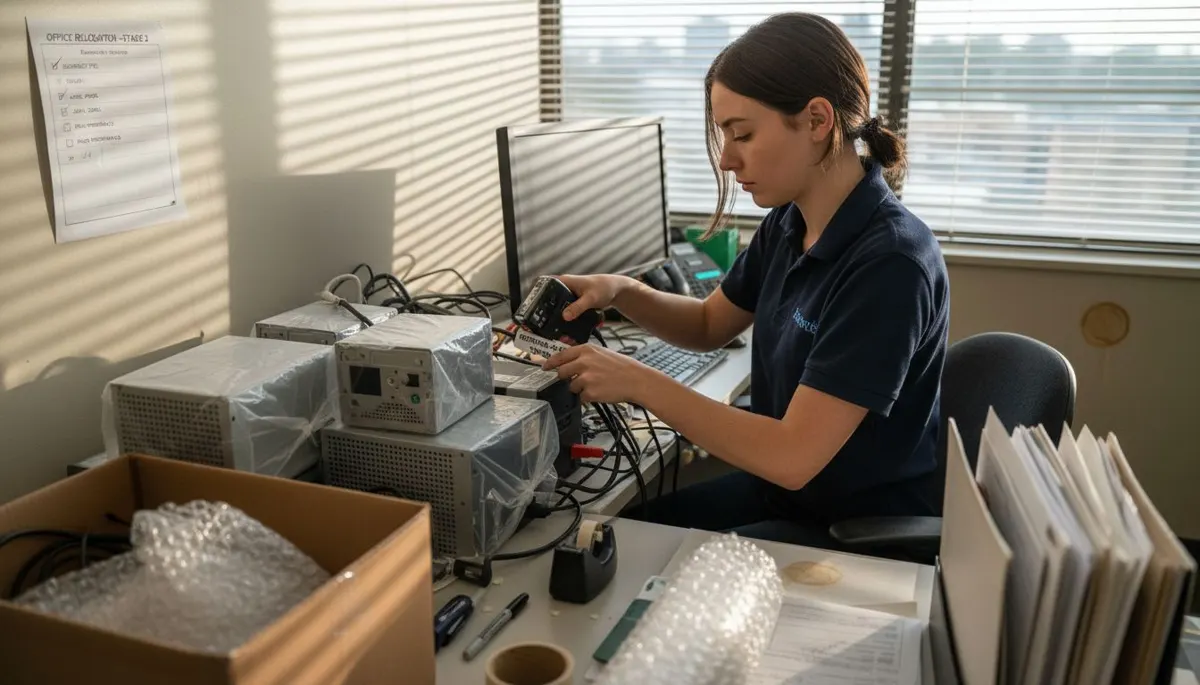
The primary categories of office equipment include electronic infrastructure, which demands the most meticulous packing techniques. Servers, networking hardware, desktop computers, and specialised technological systems require custom protective packaging that shields against physical impact, electrostatic discharge, and environmental fluctuations. Comprehensive insurance guidelines recommend using anti-static bubble wrap, custom-fitted foam inserts, and reinforced transit cases to mitigate potential damage during transportation.
Packing methods for different office equipment types vary considerably:
-
Electronic Equipment:
- Use anti-static packaging materials
- Individually wrap each device
- Secure with custom-fitted foam padding
- Label as fragile and handle with extreme care
-
Furniture:
- Disassemble large items where possible
- Wrap wooden surfaces with protective blankets
- Use corner protectors for delicate edges
- Secure loose components separately
-
Specialised Machinery:
- Document original configuration before dismantling
- Use manufacturer-recommended packing materials
- Preserve calibration settings
- Include detailed reassembly instructions
Successful office equipment transport requires a strategic approach that balances protection, efficiency, and careful handling. Professional removal teams must assess each item’s specific requirements, employing customised packing techniques that minimise the risk of damage and ensure seamless relocation for businesses across various industries.
Transport Process for Local and Long-Distance Moves
Transporting office equipment requires a meticulously planned approach that differs significantly between local and long-distance relocations. The complexity of moving office assets demands comprehensive strategic planning, careful assessment of logistical challenges, and implementation of robust protection protocols to safeguard valuable business infrastructure during transit.
UK government freight forwarding guidelines emphasize the critical importance of comprehensive risk management strategies when transporting business equipment. The transport process involves multiple intricate stages that vary depending on the distance and complexity of the move, with professional removal teams developing tailored approaches to ensure minimal disruption and maximum equipment preservation.
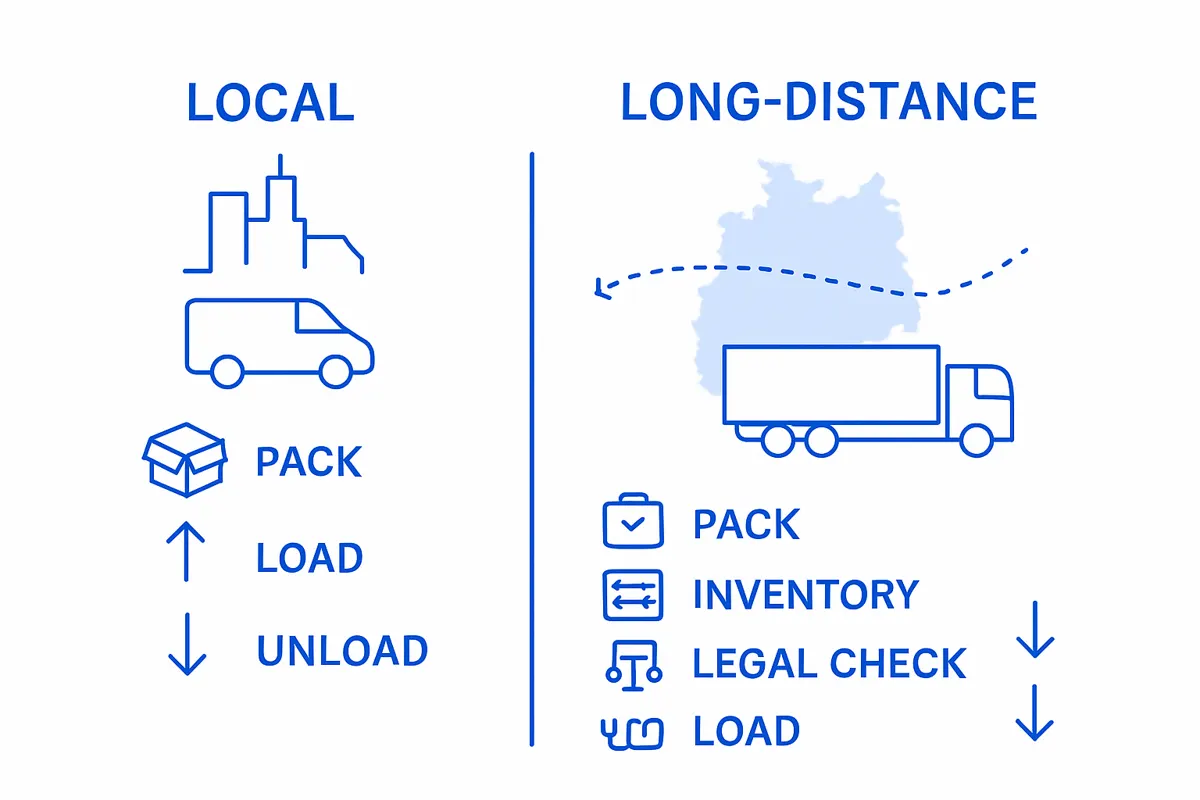
The transport process can be categorised into distinct stages for different move types:
Local Moves:
- Conduct detailed equipment inventory
- Use specialised short-distance transportation vehicles
- Minimal dismantling required
- Shorter transit times
- Less complex insurance requirements
Long-Distance Moves:
- Comprehensive equipment documentation
- Advanced packing and protective measures
- Multiple transportation modes potentially required
- Detailed logistics planning
- Complex insurance and risk management protocols
Successful office equipment transportation hinges on meticulous preparation, sophisticated handling techniques, and a deep understanding of the unique challenges presented by different relocation scenarios. Professional removal specialists must adapt their approaches dynamically, ensuring that each piece of equipment receives appropriate protection and care throughout its journey, whether travelling across town or traversing multiple counties.
UK Legal Duties and Insurance Considerations
Office equipment transport involves complex legal obligations and insurance requirements that businesses must carefully navigate to protect their assets and ensure compliance with national regulations. Companies undertaking office relocations must understand the intricate landscape of legal responsibilities that govern the safe movement of business infrastructure.
The Employers’ Liability (Compulsory Insurance) Act 1969 establishes critical legal frameworks for businesses transporting equipment, mandating comprehensive insurance coverage that protects both the organisation and its employees during relocation processes. This legislation underscores the importance of robust risk management strategies that extend beyond simple transportation logistics.
Key legal and insurance considerations include:
Legal Responsibilities:
- Compliance with health and safety regulations
- Ensuring proper equipment documentation
- Maintaining comprehensive liability coverage
- Protecting employee welfare during transportation
- Adhering to national freight transportation standards
Insurance Requirements:
- Public liability insurance
- Goods in transit insurance
- Equipment replacement value coverage
- Professional indemnity protection
- Comprehensive risk assessment documentation
Professional removal companies must meticulously manage these legal and insurance considerations, understanding that each transported item represents not just a physical asset, but a potential legal and financial risk. Successful office equipment transport demands a holistic approach that balances precise legal compliance with comprehensive risk mitigation strategies.
Risks, Costs, and Mistakes to Avoid
Office equipment transport involves substantial financial and operational risks that can significantly impact businesses if not managed professionally. Companies must develop a comprehensive understanding of potential pitfalls to mitigate unexpected financial losses and operational disruptions during relocation processes.
UK government freight forwarding guidelines highlight the critical importance of understanding transport-related risks, emphasizing that proactive risk management is far more cost-effective than reactive problem-solving. The financial implications of improper equipment handling can range from minor repair costs to substantial replacement expenses and potential business interruption.
Common risks and potential mistakes include:
Financial Risks:
- Inadequate insurance coverage
- Unexpected equipment damage
- Unplanned relocation delays
- Potential business interruption costs
- Underestimated transportation expenses
Operational Mistakes:
- Poor equipment inventory management
- Insufficient protective packaging
- Lack of professional moving expertise
- Improper equipment documentation
- Neglecting specialised handling requirements
Businesses must approach office equipment transport with meticulous planning and strategic risk management. Professional removal specialists understand that each transported item represents not just a physical asset, but a potential financial vulnerability requiring careful navigation and comprehensive protective strategies.
Secure Your Office Equipment Transport with Expert Care
Transporting delicate office equipment demands precision and a dedicated approach to avoid costly mistakes and operational disruptions. Recognising the importance of specialised packing methods, comprehensive insurance, and legal compliance highlighted in the article, Schott Removals offers a professional service designed to protect your valuable business assets throughout every stage of your move.
Trust our family-run company with over 30 years of experience to deliver tailored solutions whether you face local or long-distance relocation challenges. Benefit from our commitment to reliability and customer satisfaction, as echoed by our numerous Testimonials from businesses that have secured their office moves without interruption or damage.
Looking for a trusted partner to manage your office equipment transport? Visit Schott Removals today to explore our full range of services and find practical resources in our Uncategorised Archives that guide your relocation process with confidence. Take the first step now and ensure your office move is handled with expert care and professionalism.
Frequently Asked Questions
What is office equipment transport?
Office equipment transport is a specialised logistics process that involves the careful planning and execution of moving workplace assets, such as electronic devices, furniture, and specialised machinery, with minimal disruption and maximum protection.
What are the key packing methods for electronic equipment during transport?
Electronic equipment should be packed using anti-static packaging materials, individually wrapped, secured with custom-fitted foam padding, and labelled as fragile to ensure careful handling during transport.
What are the main considerations for transporting specialised machinery?
When transporting specialised machinery, it’s essential to document the original configuration, use manufacturer-recommended packing materials, preserve calibration settings, and include detailed reassembly instructions to avoid damage and ensure proper functionality.
What legal and insurance considerations should businesses keep in mind when transporting office equipment?
Businesses must comply with health and safety regulations, maintain proper equipment documentation, ensure liability coverage, and have adequate insurance such as public liability and goods in transit insurance to protect against potential risks during transportation.
Recommended
- Commercial Relocation Checklist 2025: Essential Steps for UK Moves | Schott Removals
- Managing Moving Day Logistics: Expert Tips for UK Moves 2025 | Schott Removals
- The Complete Office Removals Process Guide for 2025 | Schott Removals
- Secure Removal Services Explained: Expert Guide for UK and North East Moves 2025 | Schott Removals
- Understanding Corporate Transportation Options for Travelers
- Complete Guide to Ergonomic Office Furniture – Projector Display