
Moving house is a challenge for any family and things get even more complicated when pets are involved. You might be surprised to learn that up to 80 percent of pets show signs of stress during a move, with some needing medication to cope. Yet most owners overlook that planning for your animal’s emotional well-being is just as crucial as sorting the boxes and paperwork.
Table of Contents
- Step 1: Plan Your Move And Assess Pet Needs
- Step 2: Prepare Your Pets For The Move
- Step 3: Organise Pet-friendly Transportation
- Step 4: Set Up Your New Home For Your Pets
- Step 5: Introduce Pets To Their New Environment
Quick Summary
| Key Point | Explanation |
|---|---|
| 1. Schedule a veterinary check-up | Confirm your pet’s health and discuss travel-related concerns to ensure they’re fit for relocation. |
| 2. Create a pet portfolio | Compile essential documents like vaccination records, microchip details, and medical history for a smooth transition. |
| 3. Prepare a safe space at home | Designate a comfortable area with familiar items for your pet to retreat to during the moving process. |
| 4. Establish consistent routines | Maintain regular feeding and toileting schedules to reduce anxiety and help pets feel secure in their new environment. |
| 5. Allow gradual exploration of new home | Introduce your pet to their new surroundings slowly, starting with one room at a time to prevent overwhelming them. |
Step 1: Plan Your Move and Assess Pet Needs
Successfully moving home with pets begins with meticulous planning and thoughtful preparation. This crucial first step involves understanding your pet’s unique requirements and creating a comprehensive strategy that minimises stress and ensures their comfort throughout the relocation process.
Preparing for a move requires a holistic approach that considers your pet’s physical and emotional well-being. Start by scheduling a comprehensive veterinary check-up to confirm your animal companion is healthy and fit for travel. During this appointment, discuss any specific health concerns or requirements related to your upcoming move. Your veterinarian can provide essential documentation, update vaccinations, and offer personalised advice about managing your pet’s transition.
Transportation logistics demand careful consideration. Different pets have varying tolerance levels for travel, so assess your animal’s temperament and potential anxiety triggers. For pets experiencing high stress during moves, consult your veterinarian about potential calming strategies. Some animals might benefit from temporary medication or natural anxiety reducers to help them cope with the significant environmental changes.
Documentation represents another critical aspect of pet relocation planning. Compile a complete pet portfolio including:
- Current vaccination records
- Microchip registration details
- Recent medical history
- Emergency contact information
- Current medication prescriptions
For those relocating within the North East of England, including areas like Darlington and County Durham, local veterinary practices can provide region-specific guidance about pet transportation and settling requirements. Learn more about managing your move with our comprehensive moving day logistics guide.
Identifying potential challenges beforehand can significantly reduce moving day complications. Consider your pet’s specific needs such as dietary requirements, comfort items, and potential travel restrictions. Create a dedicated moving day kit containing familiar blankets, toys, food, water, and essential medications to provide continuity and comfort during the transition.
The following checklist table outlines essential items to prepare for your pet’s move, ensuring nothing is forgotten on moving day.
| Item | Purpose | Where to Source |
|---|---|---|
| Vaccination records | Proof of health and vaccinations | Veterinary practice |
| Microchip registration details | Identify and reunite with pet if lost | Online registry/vet |
| Favourite blanket/toys | Comfort and familiar scent | Home |
| Medication and prescriptions | Maintain ongoing health treatments | Pharmacy/veterinary practice |
| Travel carrier/harness | Safe transport | Pet shop/vet |
| Emergency contact information | Quick access in case of issues | Create and print at home |
| Recent medical history | Inform new vet if needed | Veterinary practice |
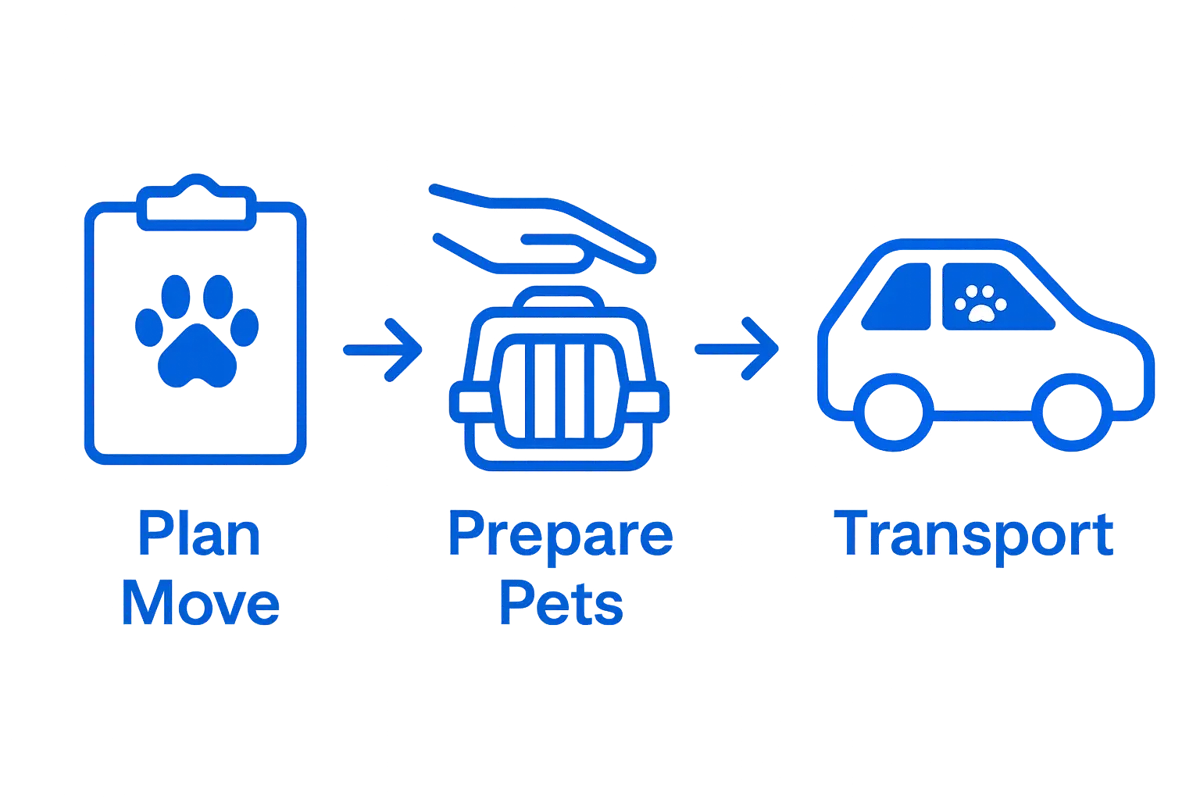
Successful pet relocation hinges on thorough preparation, patience, and a compassionate approach. By dedicating time to understanding and addressing your pet’s unique needs, you can transform a potentially stressful experience into a smooth, manageable journey for both you and your animal companion.
Step 2: Prepare Your Pets for the Move
Preparing your pets for a move requires strategic planning and gentle desensitization to ensure their comfort and reduce potential anxiety during the transition. This critical stage involves creating a positive and supportive environment that helps your animal companions understand and adapt to the upcoming changes.
Begin by gradually introducing moving-related elements into your pet’s daily routine. Start bringing moving boxes into your home weeks before packing, allowing your pet to investigate and become familiar with these new objects. Place some boxes in areas where your pet frequently relaxes, enabling them to associate these items with safety and normalcy. Maintain your pet’s regular routine as much as possible during this period, providing a sense of stability amidst the impending changes.
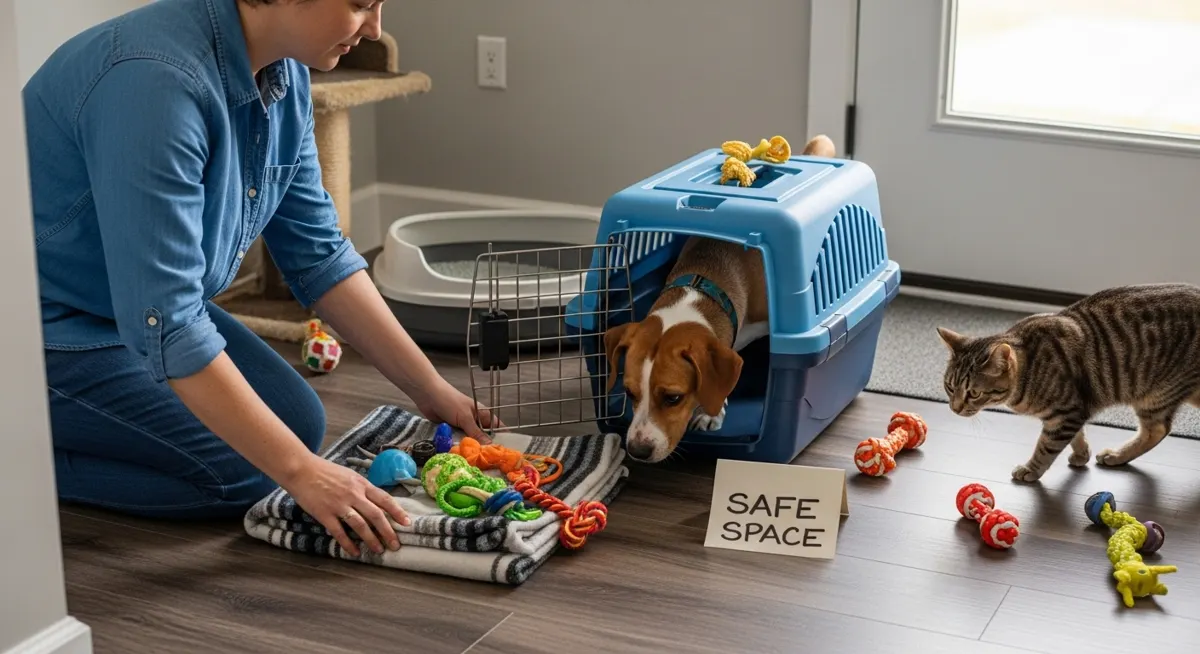
Create a designated safe space within your current home where your pet can retreat and feel secure. This area should contain their favourite blanket, toys, and comfort items. As you start packing, ensure this space remains untouched until the final stages of moving preparation. This strategy helps your pet maintain a sense of security and reduces potential stress triggered by environmental disruptions.
For animals prone to anxiety, consider using pheromone diffusers or sprays designed to create a calming environment. These products mimic natural animal communication signals and can help reduce stress during significant transitions. Consult with your veterinarian about appropriate calming strategies tailored to your specific pet’s temperament and needs.
Documentation and identification represent crucial elements of pet preparation. Ensure your pet’s microchip information is updated with your new address and contact details. Prepare a travel documentation folder containing:
- Current vaccination records
- Health certificates
- Microchip registration details
- Emergency contact information
- Recent medical history
Explore our comprehensive moving day preparation guide for additional insights into managing logistical challenges during relocation. For pets with specific medical requirements or travel sensitivities, schedule a pre-move consultation with your veterinarian to discuss potential sedation options or specialized transportation needs.
Successful pet preparation involves patience, empathy, and proactive planning. By investing time in helping your animal companion understand and adapt to the upcoming move, you can transform a potentially stressful experience into a smooth, manageable transition that prioritizes their emotional and physical well-being.
This table summarises key methods for calming pets before, during, and after the move, noting advantages and considerations for each approach.
| Method | When to Use | Advantages | Considerations |
|---|---|---|---|
| Pheromone diffusers/sprays | Pre-move, moving day, arrival | Reduces anxiety, easy to apply | May not work for all pets |
| Maintaining routines | Throughout moving process | Offers stability, easy to implement | Some disruptions unavoidable |
| Familiar comfort items | During packing, in new home | Provides reassurance, scent of home | Items must remain accessible |
| Temporary medication | For highly anxious pets | Can significantly reduce stress | Only under vet guidance |
| Gradual desensitisation | Weeks before moving | Helps pets adapt gently | Requires early planning |
Step 3: Organise Pet-friendly Transportation
Successful pet transportation during a move requires meticulous planning, careful consideration of your animal’s specific needs, and a strategic approach to minimising stress and ensuring comfort. This critical stage involves selecting appropriate transportation methods and preparing your pet for the journey ahead.
Choosing the right transportation method depends on multiple factors including your pet’s size, temperament, and the distance of your move. For shorter relocations within the North East of England, such as moving between Darlington and nearby towns in County Durham, car transportation offers the most flexible and controlled environment. Prepare your vehicle by creating a dedicated, secure space for your pet using specialised travel carriers or safety harnesses designed to protect them during transit.
Longer journeys demand more comprehensive preparation. Comfort and safety become paramount considerations when transporting pets over extended distances. Invest in high-quality, well-ventilated pet carriers that provide sufficient space for your animal to move slightly, lie down, and feel secure. Line the carrier with familiar blankets or bedding that carry the scent of home, helping to reduce anxiety and provide a sense of continuity during the move.
Pet hydration and comfort represent crucial elements of transportation planning. Pack a dedicated travel kit containing:
- Portable water bowl
- Sufficient water for the journey
- Familiar treats
- Absorbent towels
- Waste disposal bags
- Small first aid supplies
For animals experiencing travel anxiety, consult your veterinarian about potential calming strategies. Some pets might benefit from mild sedation or natural anxiety reducers designed to make transportation less stressful. Check out our comprehensive moving day preparation guide to understand additional logistical considerations for pet transportation.
Plan regular breaks during longer journeys, allowing your pet to stretch, hydrate, and relieve themselves. Research pet-friendly rest stops along your route, ensuring you can provide necessary comfort and care. If travelling with multiple pets, consider their individual temperaments and potentially transport them in separate carriers to minimise potential conflicts or stress.
Successful pet transportation hinges on patience, preparation, and a compassionate approach. By dedicating time to understanding your pet’s specific needs and creating a supportive travel environment, you can transform a potentially challenging journey into a manageable and comfortable experience for your beloved animal companion.
Step 4: Set Up Your New Home for Your Pets
Successfully integrating your pets into a new home environment requires thoughtful planning, patience, and a strategic approach to creating a sense of safety and familiarity. This crucial step involves transforming an unfamiliar space into a comfortable sanctuary that meets your animal companion’s physical and emotional needs.
Begin by designating a dedicated safe space within your new home where your pet can retreat and feel secure. This area should initially contain familiar items from your previous residence such as their favourite bed, well-worn blankets, and treasured toys. The scent of these items provides critical emotional comfort during the transition, helping your pet understand that this new location is now their home. Position this safe space in a quiet area with minimal foot traffic, allowing your pet to observe their new environment while feeling protected.
Prioritise establishing consistent feeding and toileting routines immediately upon arrival. Pets thrive on predictability, so maintaining similar schedules to those in your previous home helps reduce stress and anxiety. For dogs, explore the new outdoor areas together, allowing them to gradually become familiar with new walking routes and neighbourhood surroundings. Cats may require a more gradual introduction, potentially keeping them indoors for several weeks to help them adjust and prevent disorientation.
Create a comprehensive pet safety checklist for your new home, which should include:
- Secure all windows and potential escape routes
- Remove or safely store potentially dangerous household items
- Identify and block off any restricted areas
- Check for potential hazards like loose electrical cables
- Ensure garden or outdoor spaces are securely fenced
Learn more about managing your move with our comprehensive moving day logistics guide to understand additional considerations for settling into a new home. Update your pet’s microchip information and register with a local veterinary practice in your new area to ensure continuity of medical care.
For pets experiencing heightened anxiety, consider using pheromone diffusers or sprays that mimic calming animal communication signals. These products can help create a sense of security and reduce stress during the initial weeks of adjustment. Spend additional time engaging with your pet through gentle play, consistent feeding, and calm interaction to reinforce their sense of belonging in the new environment.
Successful home integration requires understanding that each animal adapts differently. Some pets might settle quickly, while others may need weeks to feel completely comfortable. Approach the process with patience, empathy, and a commitment to supporting your animal companion through this significant life transition.
Step 5: Introduce Pets to Their New Environment
Introducing pets to a new environment requires a delicate, patient approach that prioritizes their emotional well-being and sense of security. This critical stage involves gradually helping your animal companion explore and adapt to unfamiliar surroundings while minimising potential stress and anxiety.
Begin by allowing your pet to explore their new home incrementally, starting with one room at a time. Controlled exploration helps prevent overwhelming sensory experiences that could trigger anxiety or defensive behaviours. For dogs, accompany them on gentle indoor and outdoor tours, using a calm and reassuring tone. Cats typically prefer a more gradual approach, often benefiting from being confined to a smaller, quiet area initially before expanding their exploration zone.
Establish consistent routine markers that provide familiarity and structure. Feed your pet at the same times you did in your previous home, walk dogs along similar schedules, and maintain existing play and interaction patterns. These consistent touchstones help your pet understand that while the physical environment has changed, their fundamental life rhythms remain stable.
Prepare a comprehensive pet orientation checklist to ensure thorough and systematic introduction:
- Identify and block potential escape routes
- Check all windows and external doors for security
- Remove or secure potentially dangerous household items
- Create multiple safe resting spaces
- Establish clear feeding and toileting areas
Explore our comprehensive moving logistics guide for additional insights into managing transitional challenges. Pay special attention to your pet’s body language during this process, watching for signs of stress such as excessive hiding, reduced appetite, or unusual vocalisations.
For animals exhibiting heightened anxiety, consider using pheromone diffusers or consulting your veterinarian about potential calming strategies. Some pets might benefit from short, supervised outdoor experiences that allow them to gradually become familiar with new environmental sounds, smells, and visual landscapes. In areas like Darlington and County Durham, where urban and rural environments can vary significantly, this gradual exposure becomes particularly important.
Successful environmental integration is not a linear process. Some pets adapt quickly, while others may require weeks of patient guidance. Approach this transition with empathy, understanding that each animal processes change differently. Consistent positive reinforcement, gentle encouragement, and maintaining a calm household atmosphere will help your pet transform an unfamiliar space into a comfortable, secure home.
Trust Schott Removals for a Safe and Stress-free Move With Your Pets
Moving house with pets can feel overwhelming, especially when you want to keep them calm and comfortable during a big life change. From planning transport, gathering documentation, and setting up a safe space in your new home, there is a lot to consider. If you are determined to protect your pet’s well-being but worried about managing all the details on your own, you are not alone.
See how other pet owners eased the transition by visiting our Testimonial Showcase

Let our family-run team take the pressure off you with reliable packing, careful removals, and helpful storage options. With over 30 years of experience, Schott Removals understands what matters most when moving with pets. Visit Schott Removals today for professional support and start your move on the right foot. Move with confidence now and give your pets the calm relocation they deserve.
Frequently Asked Questions
How can I prepare my pet for moving day?
To prepare your pet for moving day, create a designated safe space in your home where they can retreat. Gradually introduce moving boxes into your home weeks before the move and maintain their regular routine. Using calming products like pheromone diffusers can also help reduce anxiety.
What should I include in my pet’s travel kit?
Your pet’s travel kit should include a portable water bowl, sufficient water for the journey, familiar treats, absorbent towels, waste disposal bags, and small first aid supplies. Familiar items can provide comfort during transit.
How can I ensure my pet’s safety in the new home?
Ensure your pet’s safety in your new home by securing all windows and potential escape routes, removing or storing dangerous household items, and creating multiple safe resting spaces. Establish clear feeding and toileting areas immediately upon arrival.
What should I do if my pet shows signs of anxiety in the new environment?
If your pet shows signs of anxiety in the new environment, pay attention to their body language. Gradually introduce them to the space, use calming pheromone diffusers, and consult your veterinarian for tailored advice or potential calming treatments.
Recommended
- Managing Moving Day Logistics: Expert Tips for UK Moves 2025 | Schott Removals
- What to Expect on Moving Day in the UK: Key Steps in 2025 | Schott Removals
- Stress-Free Moving Checklist 2025: UK, International & Business Moves | Schott Removals
- House Removal Process Explained: Step-by-Step Guide for 2025 | Schott Removals