
More than half of british families face higher stress when planning a move across significant distances compared to local relocations. For residents in County Durham and the North East of England, long distance moves—especially those spanning multiple counties or stretching into European countries—come with unique challenges that demand careful coordination and expert knowledge. Discover what truly sets long distance moving apart, why professional support matters, and how smart packing can make your british relocation smooth and secure.
Table of Contents
- What Is Long Distance Moving?
- Differences Between Local And Long Distance Moves
- Packing And Handling For Secure Transport
- Regulations And Insurance Requirements
- Cost Factors And Common Pitfalls
Key Takeaways
| Point | Details |
|---|---|
| Understanding Long Distance Moving | Relocations over significant distances require meticulous planning and specialised logistics, particularly for transporting personal belongings and ensuring compliance with regulations. |
| Differences from Local Moves | Long distance moves are more complex, involving larger vehicles and stricter inventory management compared to local relocations, which are generally simpler and quicker. |
| Importance of Packing | Effective packing is essential for maintaining item integrity during transit, necessitating professional techniques and materials to safeguard belongings. |
| Cost Factors and Mitigation | Key cost determinants include home size and moving season; thorough planning and accurate inventory management can prevent unexpected charges. |
What Is Long Distance Moving?
Long distance moving involves relocating households or businesses across significant geographical distances, typically between counties, regions, or even countries. For residents in County Durham and the North East of England, this means carefully planning relocations that extend beyond local boundaries, whether moving within the United Kingdom or across European borders.
Understanding long distance moving requires recognising the complexity of transporting personal belongings over substantial distances. Unlike local moves, these relocations demand meticulous planning, specialised logistics, and comprehensive documentation for professional relocations. Factors such as transportation methods, packing strategies, customs regulations, and potential storage requirements become critical considerations for families and businesses undertaking these significant transitions.
A long distance move typically involves several key stages: initial assessment, detailed inventory preparation, professional packing, secure transportation, potential interim storage, and final delivery. These moves can range from regional transitions within the United Kingdom to international relocations across European borders, each presenting unique challenges and requiring specialised expertise. Professional removal companies like Schott Removals understand these nuanced requirements and provide tailored solutions for seamless transitions.
Pro tip: Begin documenting and cataloguing your belongings at least six weeks before your long distance move to ensure a smooth and organised relocation process.
Differences Between Local and Long Distance Moves
Local moves and long distance moves represent two distinctly different approaches to relocation, each with unique challenges and requirements. While local moves typically involve shorter distances within the same town or county, long distance moves encompass more complex logistical considerations that demand extensive planning and specialised support.
The primary distinctions emerge in transportation complexity, duration, and cost. Local moves usually involve smaller vehicles and can often be completed within a single day, whereas national removals require more intricate planning and resources. Long distance moves frequently necessitate larger transportation vehicles, potentially multiple transit stages, and more comprehensive insurance coverage. Families from County Durham and the North East of England undertaking such moves must consider factors like route planning, potential overnight storage, and precise scheduling of belongings across significant geographical distances.
Another critical difference lies in the preparation and packing requirements. Local moves allow for more flexible, last-minute arrangements and potentially multiple vehicle trips. Conversely, long distance moves demand meticulous inventory management, robust packing techniques to protect items during extended transportation, and careful documentation to track belongings throughout their journey. Professional removal companies specialise in managing these intricate logistics, providing tailored solutions that address the unique challenges of extended relocations.
Pro tip: Create a detailed, colour-coded inventory spreadsheet when planning a long distance move to track your belongings and ensure nothing gets misplaced during transit.
Here is a summary comparing local and long distance moves for quick reference:
| Aspect | Local Move | Long Distance Move |
|---|---|---|
| Typical Duration | Few hours to 1 day | Several days or weeks |
| Planning Requirements | Basic scheduling | Detailed advance planning |
| Vehicle Size | Small or medium vans | Large lorries or trailers |
| Inventory Management | Flexible | Strict, comprehensive |
| Insurance Level | Basic cover | Extended, specialised |
Packing and Handling for Secure Transport
Packing for long distance moves requires meticulous attention to detail and strategic planning to ensure the safety and integrity of personal belongings during transportation. Professional removal experts understand that each item demands specific handling techniques, whether transporting fragile antiques from a historic County Durham home or robust industrial equipment across European borders.

International transportation standards provide critical guidance for secure cargo management. Comprehensive cargo transport guidelines emphasise critical factors like cargo compatibility, stack strength, moisture control, and proper item segregation. These protocols are especially crucial for moves involving delicate or sensitive items, ensuring that household goods remain protected throughout complex transit processes. Removal specialists from Schott Removals meticulously follow these international best practices, implementing robust packing strategies that minimise potential damage during long distance transportation.
Effective packing involves more than just placing items into boxes. It requires understanding material properties, using appropriate cushioning materials, creating strategic load distributions, and employing professional techniques for wrapping and securing different types of items. Wooden furniture needs different protection compared to electronic equipment, while fragile ceramics demand entirely unique packing approaches. Professional removal teams utilise specialised materials like bubble wrap, reinforced cardboard, custom wooden crating, and precision-engineered packing techniques to safeguard clients’ possessions during extended journeys.
Pro tip: Photograph and document the condition of valuable items before packing, creating a visual record that can help with insurance claims and identifying potential transit damage.
Regulations and Insurance Requirements
Navigating the complex landscape of removal regulations requires a comprehensive understanding of legal frameworks and insurance protections for long distance moves. While the UK removal industry operates without a statutory regulatory body, professional trade associations play a critical role in establishing industry standards and consumer safeguards.
Insurance requirements form a crucial component of professional removals, protecting both clients and removal companies during transportation. Reputable removal firms typically maintain two primary insurance types: goods in transit insurance and public liability insurance. Goods in transit insurance covers potential damage or loss of items during transportation, while public liability insurance protects against potential accidents or injuries that might occur during the moving process. For residents in County Durham and across the North East of England, understanding these insurance mechanisms provides essential peace of mind when undertaking long distance relocations.
Regulatory compliance extends beyond insurance, encompassing vehicle safety standards, professional accreditations, and adherence to consumer protection legislation. Trade associations like the British Association of Removers (BAR) and the Association of Independent Movers (AIM) establish voluntary industry standards that go beyond minimal legal requirements. These organisations mandate member companies maintain specific professional credentials, implement rigorous training protocols, and follow strict ethical guidelines. Such self-regulatory mechanisms ensure that removal companies maintain high service standards, even in the absence of comprehensive governmental oversight.
Pro tip: Always request and verify a removal company’s insurance documentation and trade association memberships before finalising your long distance moving contract.
Cost Factors and Common Pitfalls
Long distance moving expenses involve multiple complex considerations that extend far beyond simple transportation costs. Comprehensive removal cost calculations depend on several interconnected factors, including property size, total distance travelled, volume of belongings, and specific handling requirements for specialty items. For families in County Durham and the North East of England, understanding these nuanced pricing structures can prevent unexpected financial surprises during relocation.
Key cost determinants include the complexity of the move, accessibility of properties, time of year, and specific service requirements. Larger homes with extensive furniture collections naturally incur higher transportation costs, while moves during peak seasons like summer can attract premium pricing. Specialty items such as antique furniture, pianos, or delicate artwork demand additional expertise and protective packaging, further influencing overall moving expenses. Professional removal companies typically offer transparent pricing models that break down these variables, allowing customers to understand exactly what services are included in their quote.
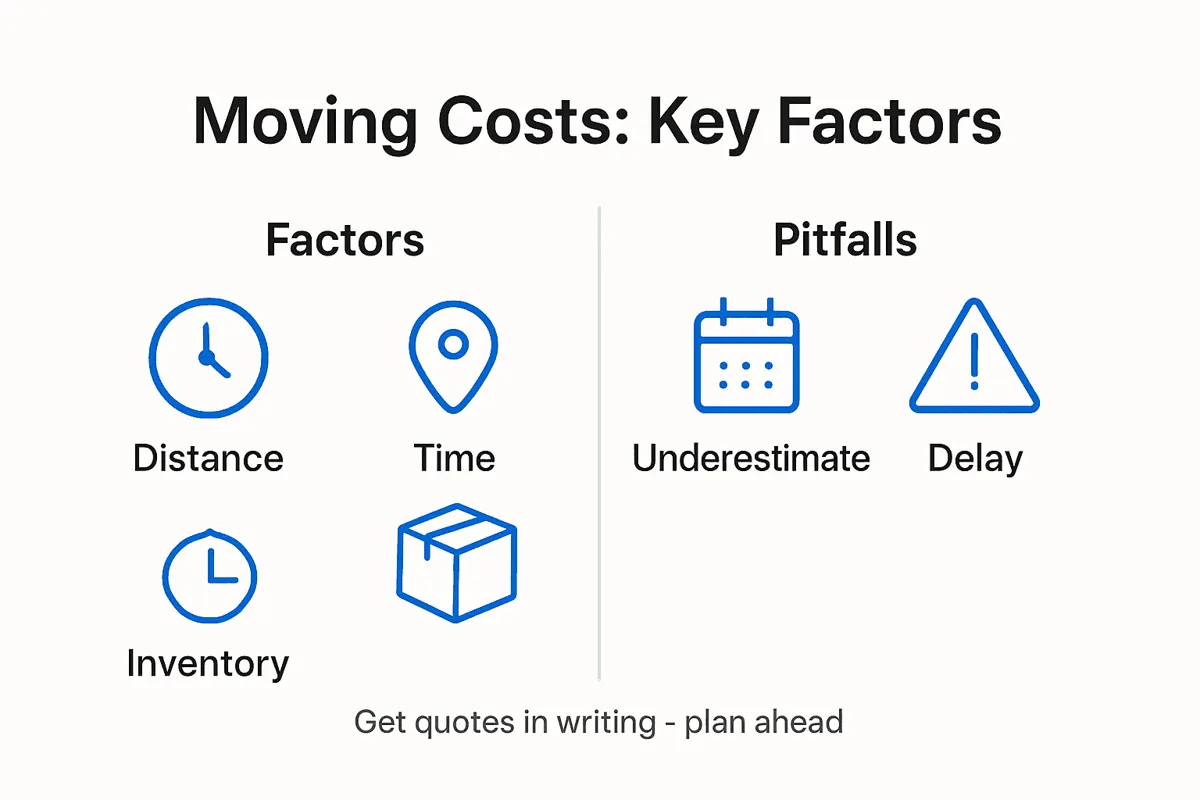
Common pitfalls in long distance moving often stem from inadequate planning and miscommunication. Underestimating the volume of belongings, failing to obtain comprehensive insurance, or neglecting to provide accurate property access information can lead to significant unexpected charges. Many customers inadvertently increase their moving costs by making last-minute changes, requiring additional packing materials or requiring complex logistical adjustments. Experienced removal specialists recommend conducting thorough initial assessments, providing precise inventory details, and maintaining clear communication throughout the moving process to mitigate potential financial risks.
Below is a concise overview of major cost factors and common pitfalls for long distance relocations:
| Cost Factor | Typical Pitfall | Mitigation Method |
|---|---|---|
| Home size and belongings | Underestimating volume | Early, accurate inventory |
| Season and timing | Booking during busy periods | Schedule in off-peak months |
| Access and loading | Incomplete access details | Share full property info upfront |
| Special items (e.g., pianos) | Omitting specialist requirements | Flag unique items for the mover |
| Last-minute changes | Incurring additional charges | Confirm details in advance |
Pro tip: Request a detailed, written quote that itemises all potential charges and includes a comprehensive inventory of items to be moved, preventing unexpected expenses during your long distance relocation.
Simplify Your Long Distance Move with Expert Support from Schott Removals
Long distance moving presents unique challenges such as detailed inventory management, specialised packing, and navigating complex insurance and regulations. If you are planning a seamless relocation across the UK or to Europe, Schott Removals understands your concerns about safeguarding your belongings throughout the journey. Our experience with professional logistics and transparent pricing helps you avoid common pitfalls and unexpected costs.
Discover how we bring over 30 years of trusted service and customer satisfaction to every move. Visit our Testimonial Showcase Archives – Schott Removals to see real stories from customers who have successfully navigated their long distance relocations with us.
Take the stress out of your next big move by choosing a family-run company that values professionalism and reliability. Get your personalised quote today at https://schottremovals.co.uk and explore our Uncategorised Archives – Schott Removals for helpful tips and service details. Act now to ensure your move is planned with expert care from start to finish.
Frequently Asked Questions
What is considered a long distance move?
Long distance moving typically involves relocating households or businesses across significant geographical distances, often across counties, regions, or countries. This requires careful planning and logistics compared to local moves.
How do local and long distance moves differ?
Local moves are usually completed within a single day with smaller vehicles, while long distance moves require detailed planning, larger transportation vehicles, and often multiple transit stages to manage complex logistics over greater distances.
What should I consider when packing for a long distance move?
When packing for long distance moves, ensure you use appropriate materials and techniques for different types of items. Employ strategic packing methods to protect belongings during transportation, especially for fragile or specialty items.
What are the insurance requirements for long distance moving?
Insurance requirements for long distance moving typically include goods in transit insurance, which covers damage or loss during transport, and public liability insurance to protect against accidents or injuries arising during the moving process.
Recommended
- Understanding the European Removals Guide for Your Move – Schott Removals
- UK to Europe Removals Process: Complete Guide for 2025 Moves | Schott Removals
- Understanding the European Moving Process for Relocation – Schott Removals
- Moving to Europe from UK in 2025: Essential Steps and Tips – Schott Removals
- Step by Step Relocation Housing: A Calm Path to Moving Well – Guestly Homes