
Nearly one in three British families relocating abroad report facing unexpected customs hurdles when shipping household goods internationally. For anyone planning a move from regions like County Durham or Darlington, understanding the shipping process helps prevent costly delays and headaches. Discover how professional British removals companies break down confusing paperwork, explain container options, and share packing strategies that make overseas transitions less stressful and more affordable.
Table of Contents
- International Shipping Process Explained For UK Moves
- Types Of Containers And Transport Methods
- Packing Standards And Export Documentation Needs
- UK And Destination Customs Regulations
- Risks, Costs, Insurance And Common Mistakes
Key Takeaways
| Point | Details |
|---|---|
| Comprehensive Planning is Essential | Engage in thorough planning by evaluating shipping methods, required documentation, and customs regulations to ensure a smooth international relocation. |
| Understanding Container Types Improves Efficiency | Selecting the appropriate shipping container based on cargo type and requirements can enhance safety and efficiency during transport. |
| Meticulous Documentation is Crucial | Accurate export documentation and compliance with customs regulations is necessary to facilitate smooth customs clearance and avoid delays. |
| Insurance and Cost Assessment are Key | Consider comprehensive insurance coverage and conduct a detailed evaluation of all potential costs associated with international moves to mitigate financial risks. |
International shipping process explained for UK moves
International shipping represents a complex logistical undertaking for UK moves, involving multiple intricate steps and regulatory considerations. When relocating internationally from regions like County Durham or Darlington, understanding the shipping process becomes crucial for ensuring smooth transitions. The process begins with comprehensive planning, which includes evaluating shipping methods, documenting requirements, and navigating customs regulations.
The UK’s shipping infrastructure plays a significant role in facilitating international moves. Major infrastructure projects are transforming international shipping capabilities, particularly around key logistics hubs like London Gateway. These developments help streamline container handling and reduce potential shipping delays. Businesses and individuals must carefully select appropriate shipping methods, whether maritime freight, air cargo, or specialised removals services, based on destination, budget, and volume of goods.
Key stages in the international shipping process involve critical documentation and compliance requirements. UK export regulations mandate specific documentation for international shipments, including detailed commercial invoices, comprehensive packing lists, and precise customs declarations. Proper classification of goods using standardised commodity codes ensures smooth customs clearance and minimises potential administrative complications. Movers must also consider potential import restrictions, tax implications, and specific regulations of the destination country.
Pro tip: Always obtain comprehensive insurance coverage and maintain digital copies of all shipping documentation to protect against potential transit-related risks and simplify claims processes.
Types of containers and transport methods
International shipping relies on a diverse range of containers and transport methods to ensure efficient and safe relocation of goods across different terrains and distances. Shipping containers are standardised by ISO to provide global compatibility, with various specialised types designed to accommodate different cargo requirements. Standard containers typically come in 20-foot and 40-foot lengths, offering versatility for most international moving needs.

The primary container types include standard dry containers for general cargo, high cube containers with increased height for bulky items, and specialised variants like refrigerated containers for temperature-sensitive goods. Open top and flat rack containers provide solutions for oversized or uniquely shaped items, ensuring flexibility in international shipping. Each container type is engineered to withstand different environmental conditions and handling processes, making them critical for protecting valuable possessions during long-distance moves.
Here is a comparison of primary shipping container types and their typical uses:
| Container Type | Typical Use | Unique Feature |
|---|---|---|
| Standard Dry | General cargo and household | Most widely available size options |
| High Cube | Bulky or tall items | Extra height for increased volume |
| Refrigerated (Reefer) | Food, pharmaceuticals | Temperature control capabilities |
| Open Top | Oversized or tall goods | Removable roof for tall cargo |
| Flat Rack | Machinery or vehicles | Open sides for easy loading |
UK customs documentation categorises multiple transport modes for international shipping, including maritime, road, rail, and air transport. The choice of transport method depends on factors such as destination, budget, time constraints, and the nature of goods being transported. Multi-modal transport, which combines different shipping methods, has become increasingly common for international moves, offering greater flexibility and potentially reducing overall shipping costs.
Pro tip: Consult with international shipping experts to determine the most appropriate container type and transport method for your specific relocation requirements, taking into account factors like cargo volume, fragility, and destination climate conditions.
Packing standards and export documentation needs
International shipping from the UK requires meticulous attention to packing standards and comprehensive export documentation. UK government guidelines provide detailed steps for preparing goods for export, emphasising the critical importance of proper packaging and accurate documentation. Exporters must create precise commercial invoices, detailed packing lists, and secure any necessary export licences to ensure smooth international transportation.
The documentation process involves multiple critical components, including certificates of origin, customs declarations, and specific handling instructions. Packing standards demand using durable materials that protect goods during transit, with clear labelling that includes handling instructions and identifies contents. Different types of goods require unique packaging approaches, from fragile items needing extensive cushioning to temperature-sensitive materials requiring specialised containers.
Export documentation plays a crucial role in facilitating international trade, ensuring smooth customs clearance and accurate duty assessments. Key documents include bills of lading, airway bills, and comprehensive customs declarations. Exporters must carefully collaborate with importers and freight forwarders, understanding destination-specific requirements to prevent potential delays or rejections.
Pro tip: Create a comprehensive digital and physical document portfolio, including backup copies of all export documentation, to streamline customs processes and provide quick reference during international moves.
UK and destination customs regulations
Navigating international shipping requires a comprehensive understanding of both UK and destination country customs regulations. The latest UK customs regulations for 2025 introduce significant simplifications in customs declaration processes, providing clearer guidelines for individuals and businesses engaged in international moves. These regulations are crucial for ensuring legal compliance and minimising potential complications during cross-border transportation of household goods.
Customs regulations vary significantly between countries, necessitating thorough research and preparation before international moves. Each destination country maintains unique import restrictions, prohibited items lists, and specific documentation requirements. Individuals must carefully inventory their belongings, understanding potential duties, taxes, and potential quarantine procedures for items like electronic equipment, furniture, and personal effects. Some countries impose strict regulations on importing certain materials, requiring advance permits or special declarations.
The complexity of customs regulations extends beyond simple documentation. Movers must consider factors such as temporary admission procedures, potential tax implications, and specific handling requirements for different categories of goods. Professional removal companies specialising in international moves can provide invaluable guidance in navigating these intricate regulatory landscapes. Understanding these nuanced requirements helps prevent unexpected delays, additional costs, and potential legal complications during the shipping process.
Pro tip: Create a comprehensive digital folder with scanned copies of all essential documents, including passport, inventory lists, and customs declarations, to expedite customs clearance processes and provide quick reference during international moves.
Risks, costs, insurance and common mistakes
International shipping involves complex financial and logistical challenges that can significantly impact the success of UK moves. Comprehensive quote comparison helps movers understand potential moving expenses and mitigate unexpected financial risks. The total cost of international moves encompasses more than transportation fees, including packaging, insurance, customs duties, potential storage costs, and potential additional charges for specialised handling of fragile or oversized items.
Common mistakes in international shipping can lead to substantial financial and emotional stress. These errors often include inadequate insurance coverage, improper packing techniques, incomplete documentation, and underestimating transportation timelines. Fragile items like antique furniture, electronic equipment, and sentimental belongings require specialised packing and additional insurance protection. Movers must carefully assess potential risks associated with different transport methods, understanding that maritime shipping might offer lower costs but potentially longer transit times compared to air freight.
Insurance represents a critical component of international moves, protecting against potential loss, damage, or theft during transportation. Different insurance levels offer varying degrees of protection, ranging from basic coverage to comprehensive policies that include total replacement value. Professional removal companies can provide detailed guidance on selecting appropriate insurance based on the specific requirements of individual moves, taking into account factors like destination country regulations, shipping method, and the nature of transported goods.
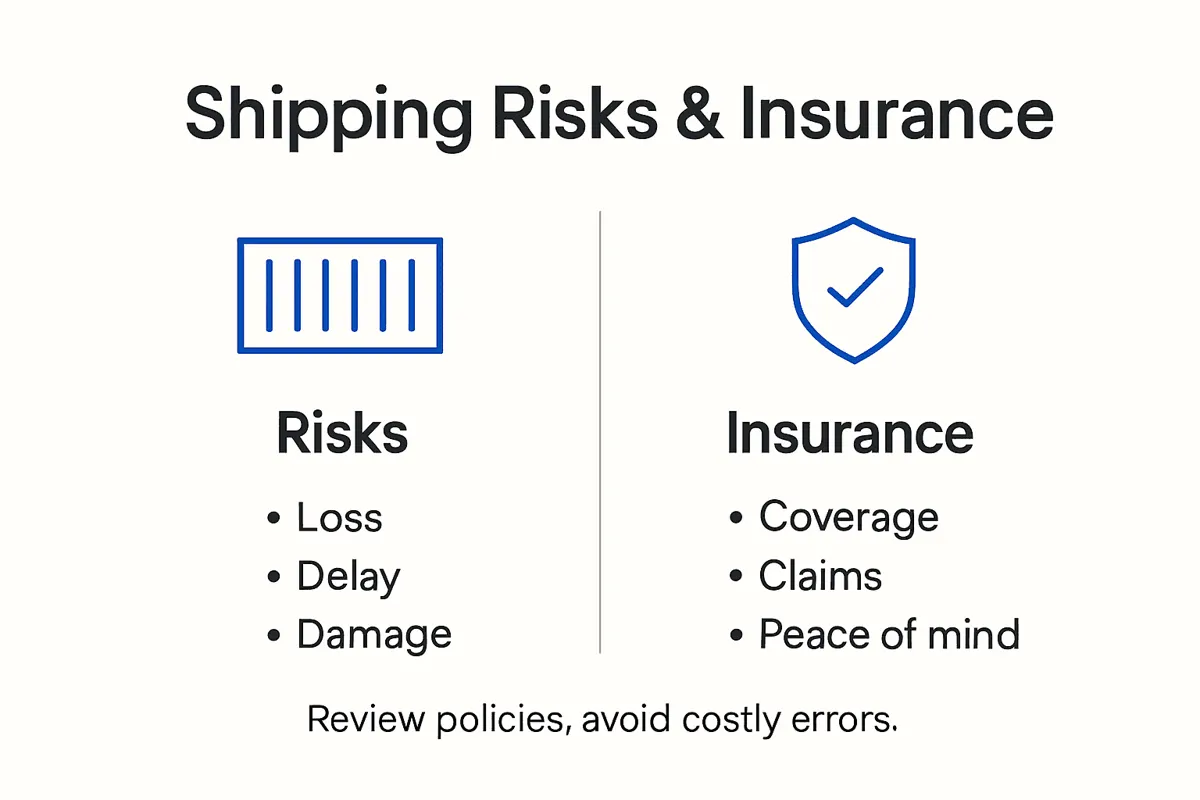
This summary outlines key cost factors and risks for UK international shipping:
| Cost/Risk Factor | Typical Impact | Ways to Mitigate |
|---|---|---|
| Transport Fees | Major portion of budget | Compare routes and carriers |
| Customs Duties | Additional charges possible | Research destination rules |
| Packing Costs | Protects goods, can be high | Use professional packing |
| Insurance Premiums | Varies by cover level | Obtain multiple quotes |
| Documentation Errors | Delays, extra fees | Double-check all paperwork |
Pro tip: Request multiple insurance quotes, carefully compare coverage details, and maintain a comprehensive digital inventory of all items being transported to streamline potential insurance claims and ensure adequate protection.
Simplify Your International Move with Expert Support from Schott Removals
International shipping involves navigating complex customs regulations, careful packing standards and selecting the right container and transport methods. These challenges can feel overwhelming for any UK household or business planning a move abroad. Schott Removals, a family-run company based in Darlington with over 30 years of experience, understands these pain points well. We specialise in tailored international removals that ensure your belongings are handled with professionalism and care, reducing stress and avoiding costly mistakes.

Whether you need comprehensive packing services, expert advice on export documentation or reliable shipping to Europe and beyond, we offer clear guidance every step of the way. Our transparent online quoting system and strong customer testimonials are proof of our commitment to making your move seamless. Don’t let complicated shipping processes delay your plans. Visit Schott Removals today to get started. Discover how our trusted European and international shipping solutions can protect your valuables and bring peace of mind to your relocation.
Explore our services and get your detailed quote with ease at Schott Removals and make your international move a confident success.
Frequently Asked Questions
What is the international shipping process for UK moves?
The international shipping process begins with thorough planning, including selecting shipping methods, preparing documentation, and complying with customs regulations to ensure a smooth transition when relocating.
What types of shipping containers are available for international moves?
Common shipping containers include standard dry containers for general cargo, high cube containers for bulky items, and refrigerated containers for temperature-sensitive goods, along with open top and flat rack containers for oversized items.
What documentation is required for international shipping from the UK?
Key documentation includes commercial invoices, packing lists, customs declarations, and potentially export licenses, all crucial for ensuring smooth customs clearance and compliance with regulations.
How can I mitigate risks and costs associated with international shipping?
To mitigate risks and costs, compare quotes, ensure adequate insurance coverage, use professional packing services, and double-check all documentation to avoid delays and unexpected fees.
Recommended
- What Is International Shipping? Guide for UK Movers 2025 | Schott Removals
- International Moving Process: UK Guide for 2025 Moves | Schott Removals
- International Shipping Process Explained: UK Moving Insights – Schott Removals
- What Is International Shipping? Guide for UK Movers 2025 – Schott Removals