
Every year, countless British families find themselves faced with the overwhelming task of moving home. It is no surprise that more than 60 percent of people report feeling stressed during a move, especially when belongings seem to pile up fast. Knowing how to assess, organise, and manage your possessions can transform the experience from chaos to calm. These practical steps guide you through every stage of a successful British move, from uncluttering your space to protecting valued heirlooms.
Table of Contents
- Step 1: Assess and Organise Your Belongings
- Step 2: Declutter and Dispose of Unwanted Items
- Step 3: Arrange Professional Packing and Supplies
- Step 4: Secure Valuables and Important Documents
- Step 5: Prepare Your Home for Moving Day
- Step 6: Verify Arrangements With Your Removal Company
Quick Summary
| Key Point | Explanation |
|---|---|
| 1. Conduct a thorough inventory | Create a detailed list of belongings by room to understand what to keep, dispose, donate, or sell before moving. |
| 2. Declutter before packing | Sort items into categories to reduce moving costs and streamline the packing process, using local charities for donations. |
| 3. Use professional packing services | Consider hiring experts for efficient packing with durable materials, ensuring the safety of fragile and valuable items during the move. |
| 4. Safeguard important documents | Protect vital records by keeping them in a secure container and transport them personally instead of packing them with other items. |
| 5. Finalise arrangements with your removal company | Confirm details about timelines, services, and special requirements with your removal team to avoid misunderstandings on moving day. |
Step 1: Assess and organise your belongings
Preparing for a move requires strategic assessment of your possessions to streamline the relocation process. Your goal in this stage is to comprehensively evaluate what you own, determine what will travel with you, and create a systematic approach to sorting your belongings.
Start by creating a detailed inventory of your items, room by room. This methodical approach helps you understand exactly what you need to pack and potentially declutter before moving. Begin with larger spaces like living rooms and bedrooms, then progress to smaller areas such as cupboards, drawers, and storage spaces. Sort items into clear categories: keep, donate, sell, and discard. Be honest with yourself about what you truly need and use. Consider the practical aspects of transporting each item – will it cost more to move than replace? Does it hold significant sentimental or monetary value?
While sorting, create separate physical spaces or containers for each category. This visual organisation prevents items from being mixed back together and helps maintain your sorting momentum. For items you decide to keep, start preliminary packing by grouping similar objects and gathering appropriate packing materials. Consider donating usable items to local charities in Darlington or County Durham, which can help reduce your moving load while supporting community organisations.
Advanced tip: Create a digital spreadsheet to track your inventory. This provides an extra layer of organisation and helps you keep precise records of what you own, what you are moving, and what you are removing from your possession.
Step 2: Declutter and dispose of unwanted items
Removing unnecessary items before your move is a critical step that reduces moving costs, simplifies packing, and helps you start fresh in your new home. Your goal is to systematically eliminate items you no longer need while responsibly managing their disposal.
Begin by thoroughly sorting through your belongings and determining which items can be sold, donated, or discarded. Online platforms like eBay, Vinted, and Facebook Marketplace offer excellent opportunities to sell items and make some extra cash, transforming your unwanted possessions into potential income. For items with little monetary value, consider donating to local charity shops in Darlington or County Durham. Electronic waste, furniture, and clothing in good condition can often find new homes through community groups or charitable organisations.
For items that cannot be sold or donated, focus on responsible disposal. Check local recycling guidelines and waste management regulations to ensure you are discarding items correctly. Some items like electronics, batteries, and hazardous materials require special handling. If you are unsure about disposal methods, contact your local council for specific guidance. Remember that proper disposal not only helps the environment but can also prevent potential charges for improper rubbish removal.
Advanced tip: Create a spreadsheet tracking your items sorted by category disposal method. This will help you stay organised and ensure nothing gets overlooked during the moving process.
Here is a summary of popular methods for handling unwanted items during a move:
| Method | Typical Items | Main Benefit | Key Consideration |
|---|---|---|---|
| Sell | Electronics, books | Generates extra income | Requires listing and negotiation |
| Donate | Clothing, furniture | Supports local charities | Items must be in good condition |
| Dispose | Broken appliances | Clears unusable clutter | May involve recycling guidelines |
| Repurpose | Containers, fabrics | Reduces waste creatively | Requires time for upcycling |
Step 3: Arrange professional packing and supplies
Arranging professional packing services and gathering appropriate supplies will significantly streamline your moving process and protect your belongings during transit. Your objective is to secure expert assistance and acquire high quality packing materials that ensure the safety of your possessions.
After thoroughly decluttering your items, contact professional removals companies like Schott Removals to discuss comprehensive packing services. Professional packers bring expertise in carefully wrapping fragile items, efficiently organising belongings, and using specialised materials that protect your valuables. They can provide sturdy boxes, bubble wrap, packing paper, and other essential supplies tailored to different types of items from delicate china to bulky furniture. Consider requesting a detailed quote that includes both packing materials and labour to understand the full scope of professional assistance.
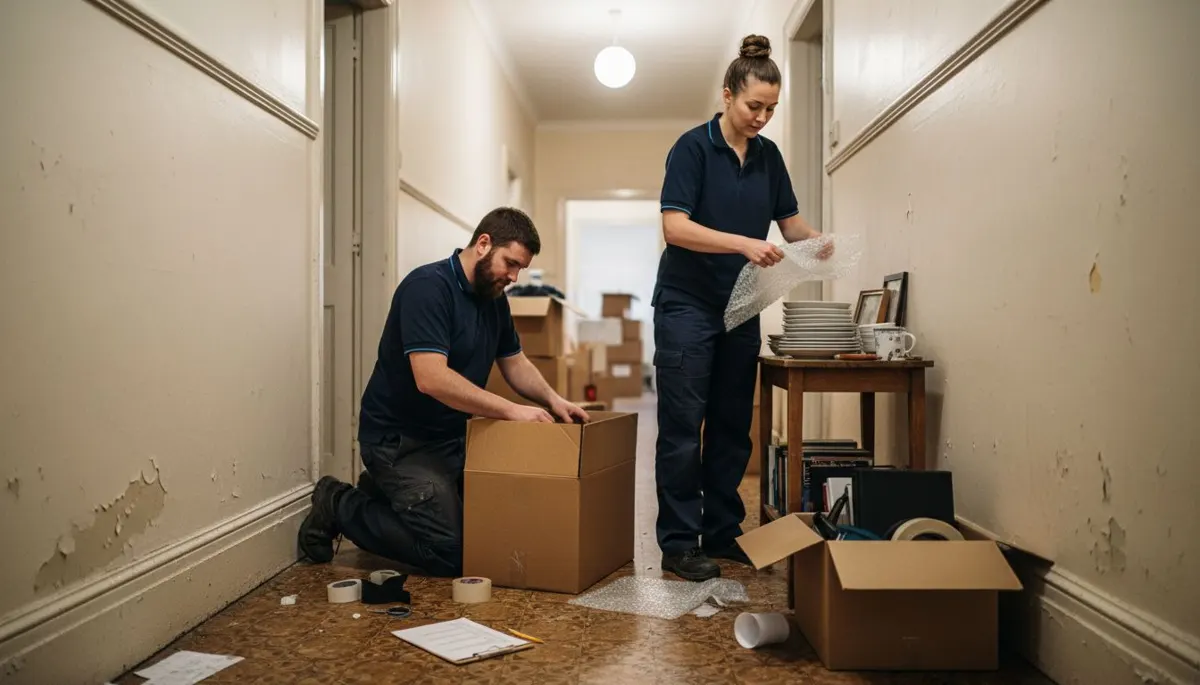
When selecting packing supplies, prioritise quality and durability. Purchase strong cardboard boxes in multiple sizes, invest in quality bubble wrap and packing paper, and acquire specialised containers for unique items like artwork or electronics. Label each box clearly with its contents and destination room to facilitate easier unpacking. If you have particularly valuable or delicate items, discuss specialised packing techniques with your removal professionals to ensure maximum protection during transportation.
Professional tip: Request a detailed inventory list from your packing team. This documentation provides an extra layer of security and helps you track all your belongings during the moving process.
Below is a reference table outlining the essential packing materials for a safe and efficient move:
| Packing Material | Best For | Why It Matters |
|---|---|---|
| Sturdy boxes | Books, kitchen goods | Prevents box collapse |
| Bubble wrap | Fragile and glass items | Absorbs shocks and impacts |
| Packing paper | Delicate crockery, ceramics | Reduces scratches and marks |
| Furniture blankets | Large furniture, appliances | Protects from dents and dirt |
Step 4: Secure valuables and important documents
Protecting your most precious and irreplaceable items during a move requires careful planning and strategic organisation. Your primary objective is to create a secure system that keeps critical documents and valuables safe throughout the entire moving process.
During your initial decluttering efforts, segregate all important documents such as passports, birth certificates, marriage licences, property deeds, and financial records. Select a dedicated waterproof and fireproof document container or folder that you will personally transport rather than placing in moving boxes. For valuable items like jewellery, family heirlooms, or expensive electronics, consider creating a separate inventory with photographs and approximate values. This documentation can be crucial for insurance purposes and provides an additional layer of protection.
Keep your secure documents and high value items with you during the move instead of packing them with other belongings. If possible, transport these items in your personal vehicle or carry them in a locked briefcase or secure bag. Inform your removal team about any particularly sensitive items and discuss additional security measures. For digital documents, create encrypted backups and store them on a portable hard drive or secure cloud storage service that you can access independently of your physical move.
Professional tip: Create multiple copies of important documents and store them in different secure locations to ensure you have backup copies in case of unexpected loss.
Step 5: Prepare your home for moving day
Preparing your home for moving day is a critical final phase that ensures a smooth transition and helps both you and your removal team work efficiently. Your primary goal is to create an organised environment that facilitates quick and careful loading of your belongings.
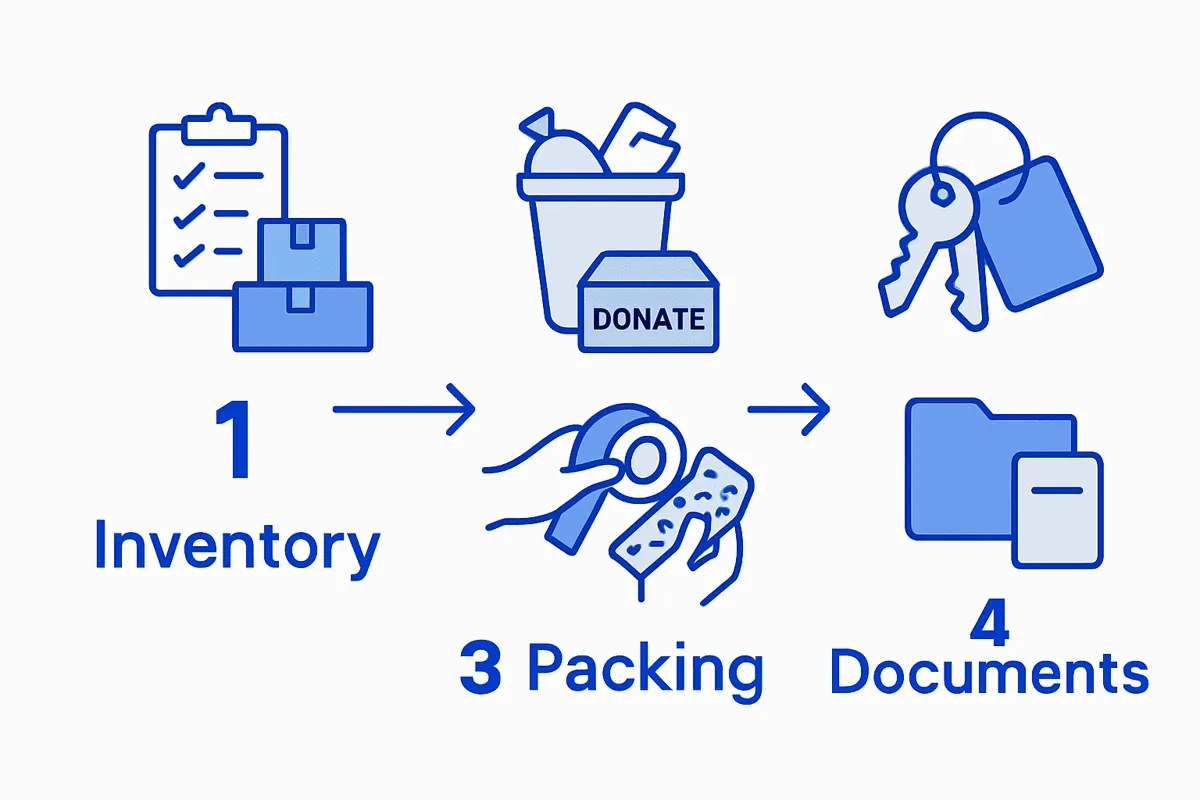
Following the University of the West of England’s moving out recommendations, start by conducting a comprehensive final clear out of your property. Remove all rubbish and unwanted items, ensuring no leftover boxes or debris will obstruct your removal team. Perform a thorough deep clean of each room after packing, paying special attention to areas like kitchen appliances, bathroom fixtures, and floors. This not only helps with potential property inspections for renters or sellers but also makes the final move out process more efficient.
Ensure all pathways are clear and easily navigable for the moving team. Create a designated staging area near your front door or in a clear ground floor space where boxes can be quickly and safely loaded. Protect flooring with temporary coverings if needed, and consider setting up a refreshment station with water and snacks for your moving team. If you have valuable or fragile items that require special handling, separate these and communicate their specific requirements to your removal team in advance.
Professional tip: Take photographs of your empty rooms after cleaning to document the property condition, which can be useful for deposit returns or future references.
Step 6: Verify arrangements with your removal company
Confirming and finalising all details with your removal company is a crucial step that ensures a seamless moving experience. Your goal is to establish clear communication and eliminate any potential misunderstandings that could complicate your moving day.
Effective communication with your removal company involves confirming comprehensive moving details, including precise timelines, specific services included, and any unique requirements for your move. Schedule a final consultation at least one week before moving day to review all aspects of the relocation. Discuss specific logistics such as access to your current and new properties, parking arrangements for removal vehicles, and any potential challenges like narrow staircases or restricted access areas. Request a detailed written confirmation of the agreed services, including the number of removal team members, estimated arrival times, and a breakdown of all associated costs.
Prepare a detailed inventory of items to be moved and share this with your removal team in advance. Highlight any items that require special handling such as antique furniture, fragile artwork, or valuable electronics. Confirm the packing approach for these items and ensure the removal company has appropriate equipment and expertise. If you are moving to or from a location in the North East like Darlington or County Durham, discuss any region specific considerations that might impact the move.
Professional tip: Create a physical folder with all removal company documents, contact numbers, and your inventory list to keep everything organised and easily accessible on moving day.
Simplify Your Move with Experienced Professionals You Can Trust
Moving involves many critical steps such as assessing your belongings, decluttering unwanted items, securing valuables, and coordinating with removers to avoid last-minute stress. These challenges demand careful planning and expert support to ensure your possessions are handled with care and efficiency. Whether you need professional packing, local removals in Darlington, or tailored storage solutions, Schott Removals brings over 30 years of family-run expertise to make your relocation seamless.
Discover customer experiences that highlight our commitment to reliability and professionalism in our Testimonials Archives – Schott Removals. Ready to take the next step on your moving journey with confidence Visit https://schottremovals.co.uk to explore our full range of services and get a personalised quote today. For insightful tips and advice on preparing for your move browse through our Uncategorised Archives – Schott Removals and start planning a stress-free relocation now.
Frequently Asked Questions
How do I assess my belongings before the move?
Start by creating a detailed inventory of your items, room by room. Sort your belongings into categories such as keep, donate, sell, and discard to understand what you need to move and what can be removed.
What should I do with unwanted items before moving day?
Remove unnecessary items by sorting through your belongings and deciding which can be sold, donated, or discarded. Consider using online platforms to sell items and donating usable goods to local charities to simplify your moving load.
How can I ensure my valuables are safe during the move?
Protect your valuables by storing them in a dedicated, waterproof, and fireproof container that you will personally transport. Create an inventory with photographs and approximate values of these items to assist with insurance if needed.
What packing materials do I need for a successful move?
Gather sturdy cardboard boxes, bubble wrap, packing paper, and furniture blankets for protection. Prioritise quality materials and ensure you have enough in various sizes to accommodate different items effectively.
How should I prepare my home for the moving day?
Clear out all rubbish and unwanted items from your property and perform a thorough clean of each room. Create a designated staging area for your belongings and ensure all pathways are clear for easier loading by the removal team.
What details should I confirm with my removal company before moving day?
Verify logistics such as timelines, specific services, and unique requirements for your move with your removal company. Schedule a final consultation to discuss access to properties and any potential challenges, ensuring all details are clear and documented.
Recommended
- What to Expect on Moving Day in the UK: Key Steps in 2025 | Schott Removals
- Stress-Free Moving Checklist 2025: UK, International & Business Moves | Schott Removals
- Managing Moving Day Logistics: Expert Tips for UK Moves 2025 | Schott Removals
- House Removal Process Explained: Step-by-Step Guide for 2025 | Schott Removals