Nearly one in four British households experience property security concerns during a move, highlighting the unique challenges faced by homeowners in North East England. The turmoil of removals often leaves your home exposed and your valuables at risk, making robust security and reliable storage solutions essential. This guide offers practical strategies to help you protect your property from common oversights and keep your belongings safe from start to finish.
Table of Contents
- Defining Home Security During Removals
- Security Risks When Moving House
- Best Practices For Protecting Property
- Insurance And Legal Considerations
- Avoiding Common Home Security Mistakes
Key Takeaways
| Point | Details |
|---|---|
| Comprehensive Home Security | Effective home security during removals encompasses physical safeguards, insurance coverage, and strategic planning. |
| Risk Management | Homeowners should carefully document property conditions and communicate with removal professionals to minimise potential security vulnerabilities. |
| Technological Considerations | Implementing strong cybersecurity practices and securing digital infrastructure is essential to protect personal information during the moving process. |
| Documentation | Creating a ‘moving day security folder’ with important documents can help maintain organisation and streamline security during the transition. |
Defining Home Security During Removals
Home security during removals represents a multifaceted approach to protecting your property and possessions throughout the moving process. The objective extends far beyond simply preventing theft – it encompasses comprehensive strategies to minimise risks during a potentially vulnerable transition period. Understanding what constitutes home security involves recognising the complex interactions between physical safeguards, insurance coverage, and strategic planning.
In the context of removals, home security encompasses several critical dimensions. These include protecting property during transitions through careful planning and risk management. Physical security measures involve monitoring access points, managing who has permissions to enter your property during packing and moving, and ensuring continuous protection of both your existing and destination properties. Insurance plays a pivotal role, with contents and buildings policies providing financial safeguards against potential damages or losses during the moving process.
Key elements of home security during removals include thorough documentation of existing property conditions, maintaining clear communication with removal professionals, and implementing strategic protective measures. This might involve coordinating temporary security arrangements, such as arranging for alarm systems to be transferred or maintained, ensuring valuable items are securely packed and tracked, and maintaining a comprehensive inventory of possessions. Professional removal services often provide additional layers of security through trained personnel, secure transportation methods, and comprehensive insurance options.
Pro tip: Create a dedicated ‘moving day security folder’ containing critical documents, inventory lists, insurance certificates, and contact information to maintain organisational control during the removal process.
Security Risks When Moving House
Moving house presents numerous security vulnerabilities that can compromise both personal safety and property protection. These risks span multiple dimensions, including physical security, technological threats, and interpersonal interactions during the transition period. Understanding these potential challenges is crucial for implementing effective preventative strategies and maintaining comprehensive security throughout the relocation process.
One significant security concern involves managing access to your property during removals. Strangers such as removal workers, estate agents, and potential buyers will have opportunities to observe your home’s layout, valuables, and security infrastructure. Electrical safety standards become particularly critical during this period, as improper installations or equipment can create additional hazards. Professional removal teams must be carefully vetted, and strict protocols should be established to limit unnecessary access and protect sensitive areas of your home.
Neighbourhood dynamics and community interactions also represent substantial security risks during house moves. Transitional periods can create temporary vulnerabilities, especially when communication breakdowns occur between existing and incoming residents. Potential issues might include unresolved neighbour disputes, lack of clear boundary understandings, or ineffective communication with local authorities about safety concerns. Proactively managing these interpersonal elements can significantly reduce potential security threats and ensure a smoother, safer transition between properties.
Additionally, technological vulnerabilities emerge during moves. Personal documents, digital devices, and sensitive information can be accidentally exposed or misplaced during packing and transportation. Careful documentation, secure packaging of important items, and maintaining a comprehensive inventory can mitigate risks of theft or inadvertent information disclosure. Professional removal services with established security protocols can provide an additional layer of protection during this vulnerable transition.

Pro tip: Create a secure, portable file containing copies of essential documents, photographic evidence of valuable items, and a detailed inventory to maintain control and documentation throughout your move.
Here’s a comparison of key security risks encountered during a house move:
| Security Risk Type | Main Challenge | Who Is Responsible |
|---|---|---|
| Physical Vulnerabilities | Unauthorised property access | Homeowner, removal service |
| Technological Threats | Exposure of digital documents | Homeowner |
| Neighbourhood Dynamics | Poor communication with neighbours | Homeowner, local community |
| Interpersonal Interactions | Unknown visitors in the home | Homeowner, estate agents |
Best Practices for Protecting Property
Protecting property during removals requires a comprehensive, multi-layered approach that addresses physical, environmental, and maintenance challenges. Effective property protection goes beyond simple security measures, encompassing proactive strategies that safeguard the structural integrity and value of your home throughout the moving process. Understanding potential vulnerabilities and implementing targeted interventions can significantly mitigate risks associated with relocation.
Environmental hazards represent a critical consideration in property protection. Flood risk management strategies become particularly important during transitional periods when properties might be temporarily unattended. This involves implementing structural interventions such as installing flood boards, using water-resistant materials, and ensuring proper drainage systems are maintained. Homeowners should conduct thorough assessments of their property’s environmental vulnerabilities and develop tailored protection plans that address specific regional risks.
Maintenance and preventative measures play a crucial role in property protection during removals. This includes addressing potential issues like damp, mould, and structural wear that can emerge during transitional periods. Comprehensive documentation of the property’s existing condition, including detailed photographic evidence and professional inspection reports, provides a baseline for tracking potential damage. Professional removal services can offer additional layers of protection by providing specialised packing techniques, secure transportation, and expert handling of fragile or valuable items.
Technological solutions can also enhance property protection during moves. Advanced security systems, remote monitoring capabilities, and smart home technologies provide real-time insights and protection. Implementing temporary security measures such as motion-activated cameras, secure locks, and alarm systems can deter potential intrusions during the vulnerable moving period. Coordinating with neighbours, local security services, and maintaining clear communication channels can create an additional network of protection.
Pro tip: Create a comprehensive property protection checklist that includes environmental risk assessments, maintenance documentation, and a detailed inventory of valuable items to ensure comprehensive security during your move.
Insurance and Legal Considerations
Navigating insurance and legal frameworks is crucial for ensuring comprehensive protection during property removals. The complex landscape of legal requirements and insurance provisions demands meticulous attention to detail and proactive planning. Understanding the intricate interactions between insurance policies, legal obligations, and removal processes can significantly mitigate potential risks and financial vulnerabilities.
Home removal insurance considerations extend beyond standard policy coverage. Homeowners must carefully review their existing buildings and contents insurance to ensure continuous protection during the transition. This involves understanding specific policy clauses related to goods in transit, potential liability limits, and additional coverage requirements. Some insurance providers offer specialised removal insurance that can provide comprehensive protection during the moving process, covering potential damages, losses, and unexpected complications.
Legal considerations during property moves are equally critical, particularly for landlords and tenants. Recent legislative changes have transformed the rental landscape, introducing more robust protections for tenants and more stringent requirements for property owners. These legal frameworks govern critical aspects such as deposit protection, eviction procedures, and safety certification standards. Professional removal services can provide valuable guidance in navigating these complex legal requirements, ensuring compliance and minimising potential disputes.
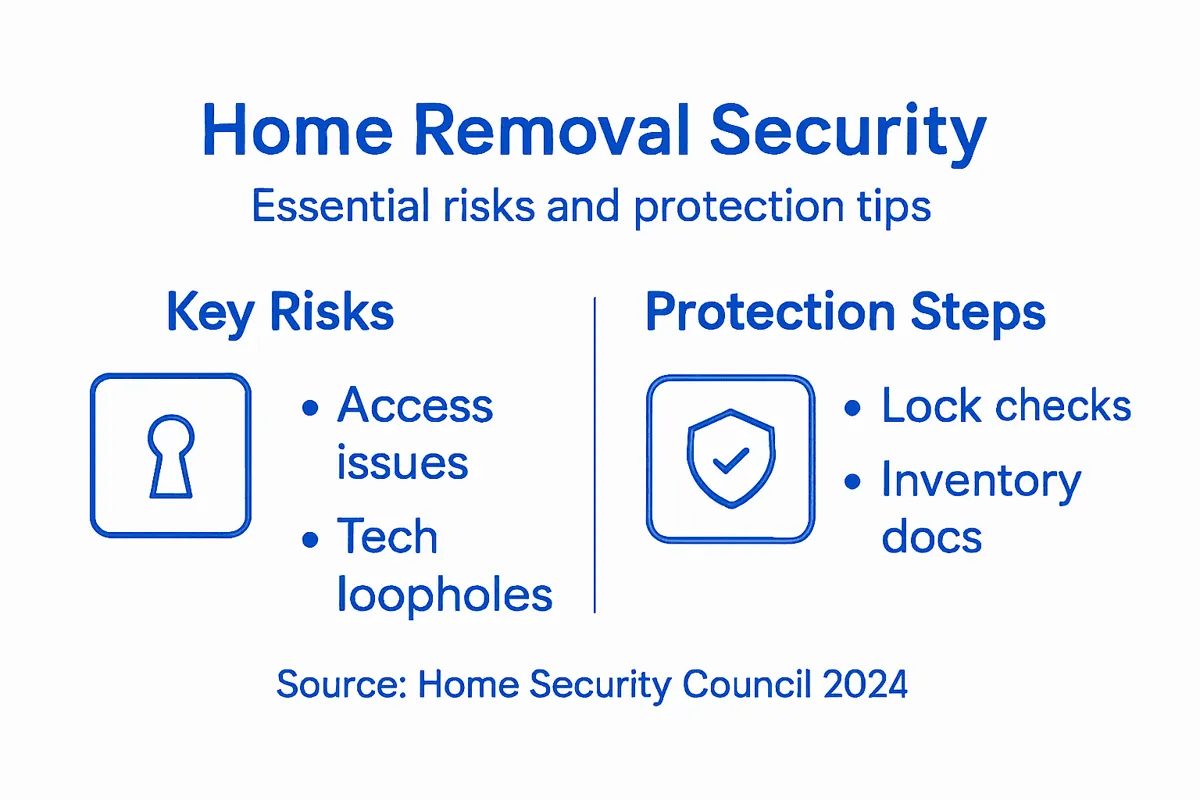
Technological advancements and digital documentation have transformed how insurance and legal protections are managed during removals. Digital inventories, photographic evidence, and comprehensive documentation can provide crucial support in insurance claims and legal proceedings. Homeowners should maintain detailed records of property conditions, valuable items, and communication with removal services. This approach not only facilitates smoother insurance processes but also provides a robust legal protection mechanism in case of disputes or unexpected incidents.
Pro tip: Create a comprehensive digital file containing insurance policies, removal contracts, property condition reports, and communication logs to streamline legal and insurance processes during your move.
The following table highlights essential legal and insurance documents to organise before moving:
| Document Type | Purpose | Recommended Storage Method |
|---|---|---|
| Buildings Insurance Policy | Protect against structural damage | Digital file and print copy |
| Contents Insurance Policy | Cover for possessions in transit | Security folder, cloud backup |
| Removal Contract | Clarifies removal service agreement | Secure digital vault |
| Inventory List | Proof for claims or disputes | Encrypted digital document |
Avoiding Common Home Security Mistakes
Home security during removals involves navigating numerous potential vulnerabilities that can compromise personal safety and property protection. Understanding and anticipating these risks requires a strategic, proactive approach that addresses both physical and digital security challenges. Homeowners must develop comprehensive awareness to prevent potential breaches and minimise exposure during the inherently vulnerable moving process.
Personal data protection strategies are crucial during removals. Common mistakes include inadequate management of sensitive information, leaving personal documents exposed, and failing to secure digital records. Individuals often underestimate the risks associated with transferring personal data during moves, inadvertently creating opportunities for potential identity theft or information misuse. Careful handling of important documents, secure digital file management, and maintaining strict control over personal information can significantly reduce these risks.
Physical security mistakes frequently emerge during the chaotic moving process. These include leaving properties unattended during packing and transportation, failing to verify removal personnel credentials, and neglecting to secure valuable items. Homeowners should implement rigorous verification protocols for removal teams, maintain continuous property monitoring, and develop detailed inventory systems that track valuable possessions throughout the move. Professional removal services can provide additional layers of security through trained personnel and established protective procedures.
Technological vulnerabilities represent another critical area of potential security mistakes. Unprotected wireless networks, unsecured smart home devices, and inadequate cybersecurity practices can create significant risks during property transitions. Homeowners should conduct comprehensive security audits of their digital infrastructure, temporarily disable or secure smart home systems during moves, and ensure robust password protection for all digital accounts and devices. Creating backup systems and maintaining detailed digital and physical records provides an additional safety net against potential security breaches.
Pro tip: Create a secure, password-protected digital vault containing encrypted copies of critical documents and maintain a physical lockbox for irreplaceable items during your move.
Secure Your Move with Expert Help from Schott Removals
Moving house brings many challenges especially when it comes to maintaining home security during removals. From preventing unauthorised access to protecting sensitive personal data, the risks can feel overwhelming without the right support. This article highlights common security vulnerabilities and effective strategies such as thorough documentation and trusted removal personnel that give you peace of mind throughout your relocation.
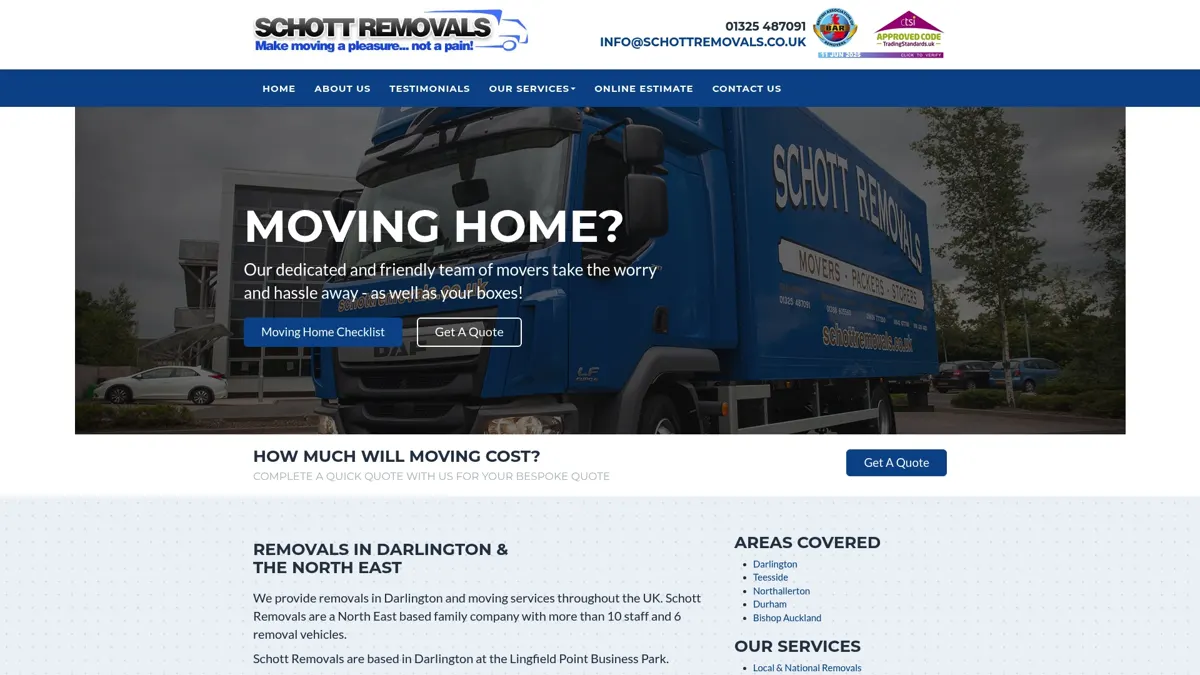
Protect your property and valuables with Schott Removals, a family-run company with over 30 years of experience in professional removals and secure storage solutions. Discover how our dedicated team prioritises your home’s security using trusted processes, verified staff, and tailored packing services designed to reduce risks. Explore real client experiences in our Testimonial Showcase and learn why reliability and trust are at the heart of every move.
Take control of your moving day security now by visiting Schott Removals for a personalised quote and expert guidance. For additional tips and insights, browse our Uncategorised Archives to make your transition as safe and smooth as possible.
Frequently Asked Questions
How can I ensure home security during my move?
To ensure home security during your move, implement a multi-layered approach that includes documenting property conditions, securing valuables, vetting removal personnel, and maintaining communication with neighbours and local authorities.
What are the key security risks I should be aware of when moving house?
Key security risks when moving house include unauthorized access to your property, exposure of personal documents, and poor communication with neighbours, which can lead to misunderstandings or security vulnerabilities.
What protective measures can I take for my property while in transit?
Protective measures include using secure packing techniques, maintaining a detailed inventory of items, arranging for temporary security systems, and ensuring that valuable items are monitored throughout the moving process.
Why is it important to have insurance during home removals?
Insurance is critical during home removals as it provides financial protection against potential damages, losses, and unexpected complications that may arise while your belongings are in transit.
Recommended
- Secure Removal Services Explained: Expert Guide for UK and North East Moves 2025 | Schott Removals
- Managing Moving Day Logistics: Expert Tips for UK Moves 2025 | Schott Removals
- Top Benefits of Professional Packers for UK & International Moves 2025 | Schott Removals
- Removals Process Explained: A Complete Guide for UK Moves 2025 | Schott Removals
- 7 Steps to a Secure Home Swap Verification Checklist | SwappaHome Blog
- Security Fence Installation Process for Maximum Protection – Jumalu Fencing