
Every british family planning a move in the North East knows the anxiety that builds as moving day approaches. Studies show that moving home is among the top three most stressful life events in the United Kingdom, often ranking just below divorce and bereavement. With so many details to juggle, keeping things organised can feel impossible without the right support. Discover how practical planning, clever organisation, and working with a skilled removals team can turn a potentially chaotic experience into something manageable and even positive.
Table of Contents
- Step 1: Organise Tasks And Set Realistic Expectations
- Step 2: Prepare Essential Belongings And Documents
- Step 3: Communicate With Your Removals Team
- Step 4: Delegate Responsibilities To Reduce Pressure
- Step 5: Review Your Move And Ensure Peace Of Mind
Quick Summary
| Essential Insight | Explanation |
|---|---|
| 1. Create a comprehensive moving checklist | Outline essential tasks and timelines to manage the moving process effectively and reduce last-minute chaos. |
| 2. Prepare a secure folder for documents | Gather vital documents and make digital backups to ensure nothing important is lost during the move. |
| 3. Ensure clear communication with your removals team | Provide detailed information and maintain open channels to minimise confusion and streamline the moving process. |
| 4. Delegate moving tasks strategically | Assign specific responsibilities to family or friends to distribute the workload and reduce individual stress. |
| 5. Conduct a thorough post-move review | Check the inventory and utilities, and address any issues promptly to ensure a smooth settling-in process. |
Step 1: Organise tasks and set realistic expectations
Moving home requires strategic planning and careful task management to reduce stress and ensure a smooth transition. Understanding how to break down complex moving activities into manageable segments will transform your relocation experience from chaotic to controlled.
Start by creating a comprehensive moving checklist that includes all essential tasks categorised by priority and timeline. This means mapping out activities like packing specific rooms, arranging utility transfers, and coordinating removals moving day expectations in the UK well in advance. Consider allocating specific timeframes for each task and build in buffer periods to accommodate unexpected challenges. For instance, allocate two weeks for packing non essential items in your home, one week for kitchen and bathroom items, and reserve the final three days for critical last minute preparations.
Realistic expectations are paramount during relocation. Understand that some disruption is inevitable and approach the process with flexibility. Accept that not everything will go perfectly and prepare mentally for small complications. This psychological approach will help you manage stress more effectively and maintain a calm perspective throughout the moving process.
Insider Tip: Create a dedicated moving folder with all important documents, contact numbers, and checklists to keep yourself organised and reduce last minute panic.
Here’s a quick summary comparing common moving stressors and proven mitigating actions:
| Stress Factor | Typical Impact | Recommended Approach | Benefit |
|---|---|---|---|
| Time constraints | Rushed packing, oversight | Early planning and clear checklist | Reduces last minute panic |
| Document misplacement | Delays with services | Secure folder and backups | Ensures easy access |
| Team miscommunication | Item mishandling, confusion | Shared information and roles | Streamlined removals process |
| Overwhelming workload | Fatigue, missed tasks | Delegation and periodic check-ins | Shared responsibility |
Step 2: Prepare essential belongings and documents
Preparing your critical belongings and important documents is a crucial phase of moving that can significantly reduce stress and ensure a smooth transition. This step involves strategic organisation of paperwork and personal items to guarantee nothing essential gets lost or misplaced during the relocation process.
Begin by gathering all vital documents into a dedicated secure folder that you will personally transport. This includes passports, property contracts, financial records, insurance documents, and medical information. Stress-free moving checklist recommends creating digital backups of these documents and storing them in a cloud service for additional security. Start notifying relevant institutions about your address change at least two weeks prior to moving day. This includes Royal Mail for postal redirection, utility providers, banks, healthcare services, and any subscription companies.
Pack a separate overnight bag with essential items you will need immediately upon arrival at your new home. Include medications, a change of clothes, basic toiletries, phone chargers, and important documents. Keep this bag with you during the move rather than loading it into the removal vehicle. This approach ensures you have immediate access to critical items and reduces potential panic if removal boxes are delayed or misplaced.
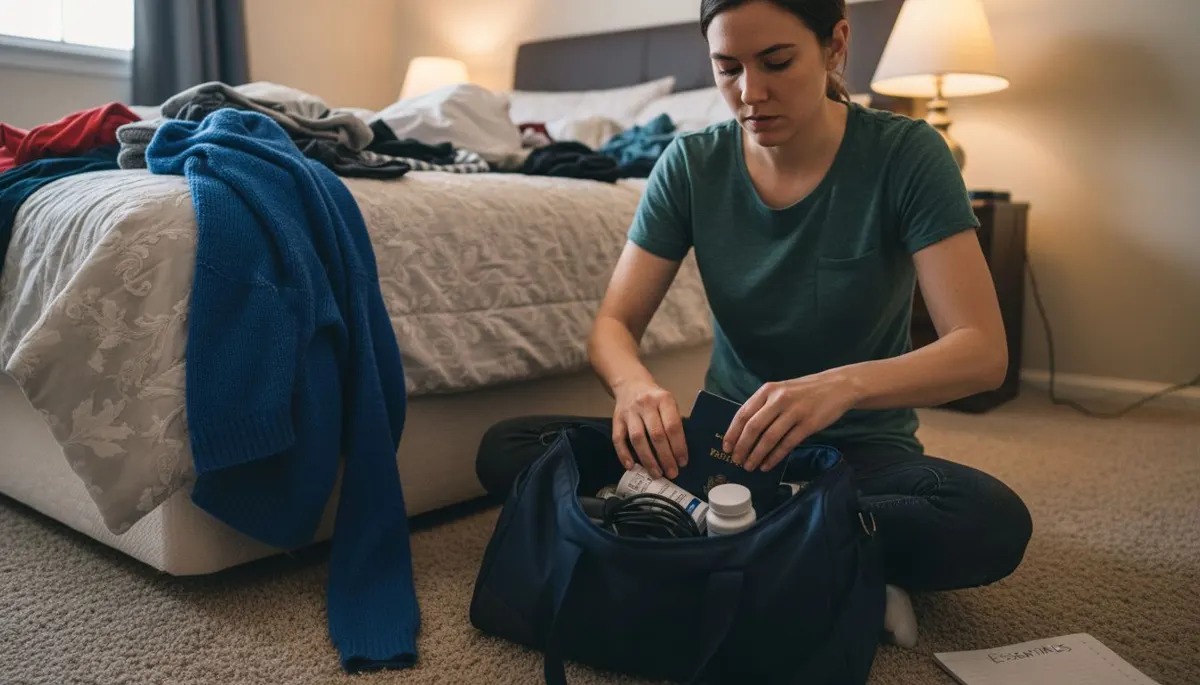
Insider Tip: Create a colour coded system for your document folder with separate sections for personal identification, financial records, and moving related paperwork to streamline organisation.
Use this reference to efficiently prioritise your moving timeline:
| Task Category | Ideal Timeframe Before Move | Purpose of Timing | Example Task |
|---|---|---|---|
| Non-essentials pack | 2+ weeks | Avoids rushed packing | Box décor/books |
| Utilities transfer | 1-2 weeks | Prevents service interruptions | Notify providers |
| Essentials prep | 1 week | Ensures comfort on day one | Pack overnight bag |
| Final preparations | Last 3 days | Handles urgent final details | Clean, collect keys |
Step 3: Communicate with your removals team
Effective communication forms the backbone of a stress-free moving experience. Your removals team needs comprehensive information to execute your move precisely and professionally, minimising potential complications during this complex transition.
Start by providing your removals team with detailed, clear information about your moving requirements. Secrets to a great removals team emphasise the importance of confirming specific logistical details in advance. This includes precise access information for both your current and new property, parking arrangements, any potential challenging access points, and specific instructions about fragile or valuable items. Create a comprehensive inventory list that highlights items requiring special handling or extra care. Share this document with your removals team at least a week before moving day to allow proper preparation.
Maintain open communication channels throughout the moving process. Exchange mobile numbers with your lead removal team member, confirm exact timings, and discuss any potential challenges or unique requirements about your move. Be present during loading and unloading to answer immediate questions, guide placement of furniture, and ensure everything proceeds according to your expectations. Your active involvement and clear communication will significantly reduce moving day stress and potential misunderstandings.
Insider Tip: Prepare a printed floor plan of your new property with suggested furniture placement to help your removals team work more efficiently.
Step 4: Delegate responsibilities to reduce pressure
Moving home requires teamwork and strategic distribution of tasks to prevent overwhelming any single person with the entire process. Successfully managing a move means breaking down complex activities into manageable responsibilities that different family members or friends can handle efficiently.
Start by creating a comprehensive moving task list that clearly outlines specific responsibilities. Principles of effective delegation suggest defining clear roles with precise expectations. For example assign specific packing duties to different family members such as one person managing kitchen items another handling bedroom belongings and someone else coordinating utility transfers. Ensure each delegated task has a clear deadline and check in periodically to monitor progress. Adults should assign age appropriate tasks to children to help them feel involved while reducing overall workload.
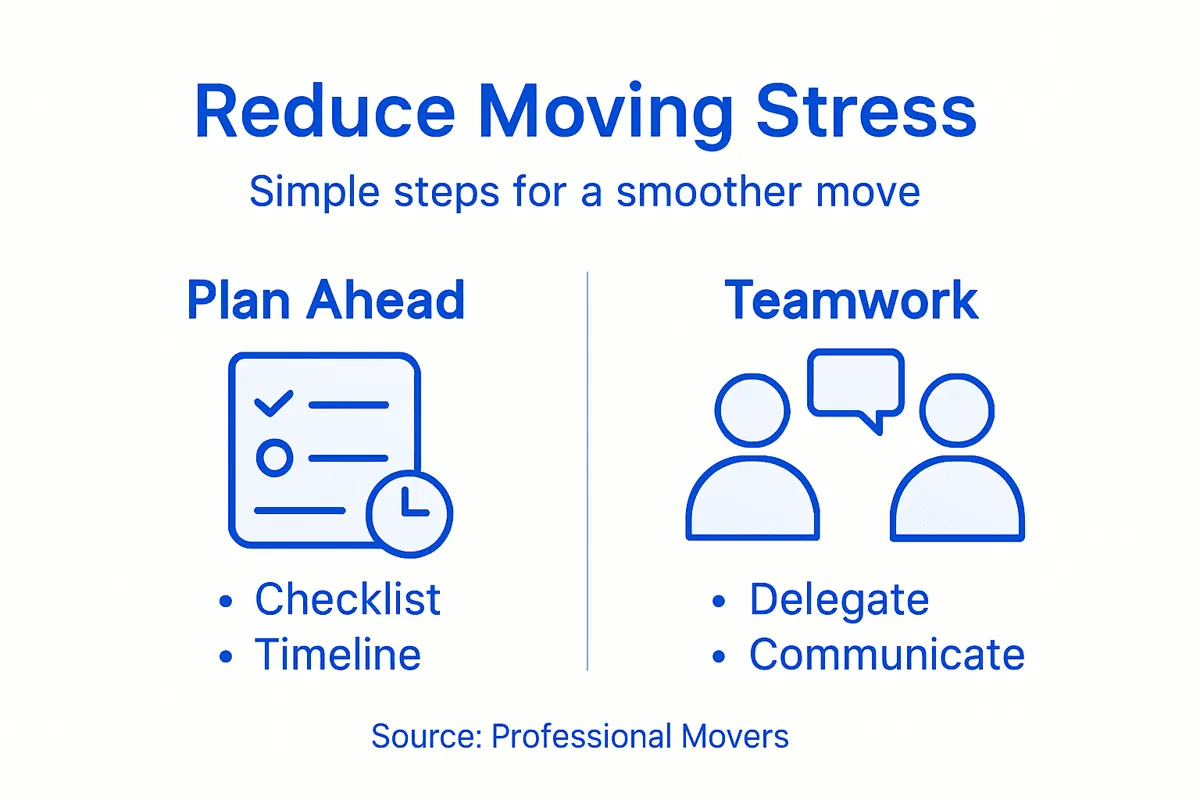
Remember that delegation is not about abdicating responsibility but sharing the workload strategically. Maintain open communication channels with those helping you move and be prepared to offer support or guidance when needed. Regular check ins and a collaborative approach will help ensure everyone understands their role and feels motivated to contribute. Appreciation and occasional breaks can help keep the team motivated during what can be a stressful process.
Insider Tip: Create a shared digital spreadsheet or group chat to track moving tasks and responsibilities in real time.
Step 5: Review your move and ensure peace of mind
The final stage of moving involves carefully assessing your relocation process to confirm everything has been completed successfully and address any potential outstanding issues. This crucial review helps transform the potential stress of moving into a sense of accomplishment and settled comfort.
Moving home completion guide recommends conducting a comprehensive review immediately after moving. Start by performing a thorough inventory check to ensure all your belongings have arrived safely and undamaged. Carefully unpack and inspect items, documenting any potential damages or discrepancies. Compare your original inventory list with the items received and take photographs of any issues for potential insurance or removal company claims. Check that all utilities are functioning correctly in your new property including electricity, water, heating, and internet connections.
Beyond the physical aspects of moving, take time to emotionally settle into your new home. Walk through each room and start visualising how you will personalise your space. Organise your essential items first to create a sense of immediate comfort and control. Contact your removal company within the first few days to provide feedback and resolve any outstanding concerns. Keep all documentation related to your move in an easily accessible folder for future reference.
Insider Tip: Create a digital and physical archive of all moving related documents to maintain a comprehensive record of your relocation.
Take Control of Moving Day Stress with Expert Support
Handling moving day stress requires careful organisation, clear communication, and mindful delegation. The challenges of coordinating logistics and managing essential belongings can feel overwhelming but you do not have to face them alone. Schott Removals, a trusted family-run company with over 30 years of experience, specialises in transferring your home safely and smoothly across the UK and beyond. Their professional team understands the emotional and practical demands of moving and delivers services designed to reduce your workload and anxiety.
Discover how their reliable removals and tailored packing solutions can transform your moving day into a calm, controlled experience. Explore heartfelt Testimonials that showcase real customer satisfaction and gain confidence in choosing experts who prioritise your peace of mind. Ready to simplify your move and feel supported every step of the way Visit Schott Removals now to get a personalised quote and start planning your stress-free relocation. For additional insights and tips, browse the Uncategorised Archives and inform your preparations with proven expertise.
Frequently Asked Questions
How can I reduce stress on moving day?
To reduce stress on moving day, start by creating a detailed moving checklist that breaks down tasks into manageable segments. Allocate specific timeframes for each task and allow buffer periods to accommodate unexpected challenges, making the process feel more controlled.
What should I include in my moving essentials bag?
Your moving essentials bag should contain all critical items you may need immediately upon arrival at your new home, such as medications, a change of clothes, basic toiletries, and important documents. Pack this bag separately and keep it with you during the move to ensure easy access and avoid stress related to misplaced items.
How can I effectively communicate with my removals team?
Effective communication involves providing your removals team with clear and detailed information regarding your moving requirements. Share a comprehensive inventory list of items that require special handling at least a week before moving day to ensure everyone is well-prepared and informed.
What responsibilities can I delegate to make the moving process easier?
You can assign specific tasks to family members or friends, such as packing different rooms or coordinating utility transfers. Create a task list with clear deadlines for each responsibility to encourage teamwork and prevent overwhelming anyone with the workload.
How do I conduct a final review after moving?
To conduct a final review after moving, perform a thorough inventory check to confirm all belongings have arrived safely. Unpack and inspect your items, documenting any issues, and ensure that all utilities are functioning properly to ensure a smooth transition into your new home.
Recommended
- What to Expect on Moving Day in the UK: Key Steps in 2025 | Schott Removals
- Stress-Free Moving Checklist 2025: UK, International & Business Moves | Schott Removals
- Managing Moving Day Logistics: Expert Tips for UK Moves 2025 | Schott Removals
- Understanding Moving House Stress Free for Families – Schott Removals
- Top 7 Benefits of Booking an O’Hare Airport Taxi for Stress-Free Travel
- Move out cleaning – Majic Maids Cleaning Services