
Every parent faces that moment when moving house means sorting through boxes, packing up memories, and worrying about the waste left behind. For eco-conscious families across the North East of England, each decision in the moving process offers a real chance to protect the planet. By embracing sustainable moving strategies, you can cut carbon emissions, manage clutter responsibly, and make relocation kinder to the environment—without sacrificing convenience or peace of mind.
| Point | Details |
|---|---|
| Adopt Sustainable Moving Practices | Embrace strategies that minimise carbon emissions and waste during relocation, such as using eco-friendly companies and planning transportation efficiently. |
| Choose Eco-Friendly Packing Materials | Use recyclable and biodegradable packing materials to reduce ecological impact while ensuring the safety of belongings. |
| Implement Responsible Decluttering Strategies | Assess possessions meticulously to donate or recycle items, minimising waste and supporting the circular economy during your move. |
| Stay Compliant with Environmental Regulations | Understand and adhere to UK regulations ensuring proper waste management and minimisation of your environmental footprint during relocation. |
Environmentally friendly moving represents a comprehensive approach to reducing carbon emissions and minimising ecological impact during relocation processes. By embracing sustainable moving strategies, households can significantly decrease their environmental footprint while maintaining efficient transportation of belongings.
At its core, sustainable moving involves adopting practices that reduce transport emissions through strategic planning and conscious decision-making. These practices extend beyond simply selecting an eco-friendly moving company and encompass a holistic approach to relocation that considers environmental consequences at every stage.
Key elements of environmentally friendly moving include:
The fundamental goal is creating a relocation process that balances logistical efficiency with environmental responsibility. This means critically examining each aspect of moving – from packing materials to transportation routes – and identifying opportunities to reduce waste and carbon emissions.
Pro tip: Plan your move during off-peak hours to reduce traffic congestion and minimise unnecessary fuel consumption.
Eco-friendly moving requires thoughtful selection of packing materials that minimise environmental impact while ensuring the safe transportation of belongings. Sustainable packing solutions have evolved significantly, offering innovative alternatives to traditional single-use packaging materials that often contribute to ecological waste.

The UK government actively encourages the use of recyclable packaging materials through comprehensive assessment methodologies. These approaches prioritise materials that can be easily recycled, reused, or composted, helping households reduce their carbon footprint during relocation.
Key eco-friendly packing materials include:
Innovative alternatives are emerging that challenge traditional packaging norms. Biopolymer and natural fibre options provide sustainable solutions that significantly reduce reliance on conventional plastics. These materials offer comparable protection while dramatically lowering environmental impact.
When selecting packing materials, consider their entire lifecycle – from production to disposal. Look for options that minimise waste, support circular economy principles, and can be easily recycled or composted after your move.
Here is a comparison of popular eco-friendly packing materials and their typical environmental benefits:
| Material Type | Environmental Benefit | Common Use Cases |
|---|---|---|
| Biodegradable bubble wrap | Breaks down naturally, reduces landfill | Fragile items, cushioning |
| Recycled cardboard boxes | Lowers demand for new resources | General packing, books, clothes |
| Reusable plastic containers | Minimises single-use waste | Multiple moves, long-term storage |
| Natural fibre packing | Compostable, renewable resources | Wrapping delicate items, gap filling |
Pro tip: Collect second-hand boxes from local businesses or online marketplaces to reduce demand for new packaging materials.
Responsible decluttering is a critical strategy for reducing environmental impact during relocation, transforming the moving process into an opportunity for sustainable resource management. Mindful disposal practices enable households to significantly decrease waste and support broader circular economy objectives.
The UK government’s waste prevention programme emphasises systematic approaches to minimising unnecessary consumption and waste generation. This approach encourages individuals to carefully evaluate their possessions before moving, ensuring that only essential items are transported.
Strategies for responsible decluttering include:
Local government guidance highlights the importance of systematic recycling and waste reduction as a critical environmental strategy. By making conscious choices during decluttering, individuals can significantly reduce their ecological footprint and support national waste reduction targets.
When approaching decluttering, consider the entire lifecycle of each item. Prioritise options that extend an item’s usefulness, such as donation, resale, or repurposing, rather than defaulting to disposal.
Pro tip: Create a detailed inventory of items during decluttering to track exactly what you’re keeping, donating, or recycling.
Sustainable moving requires a comprehensive approach to green transportation strategies that minimise carbon emissions and support environmental conservation. By carefully selecting and implementing eco-friendly logistics methods, households can significantly reduce their transportation-related environmental footprint during relocation.
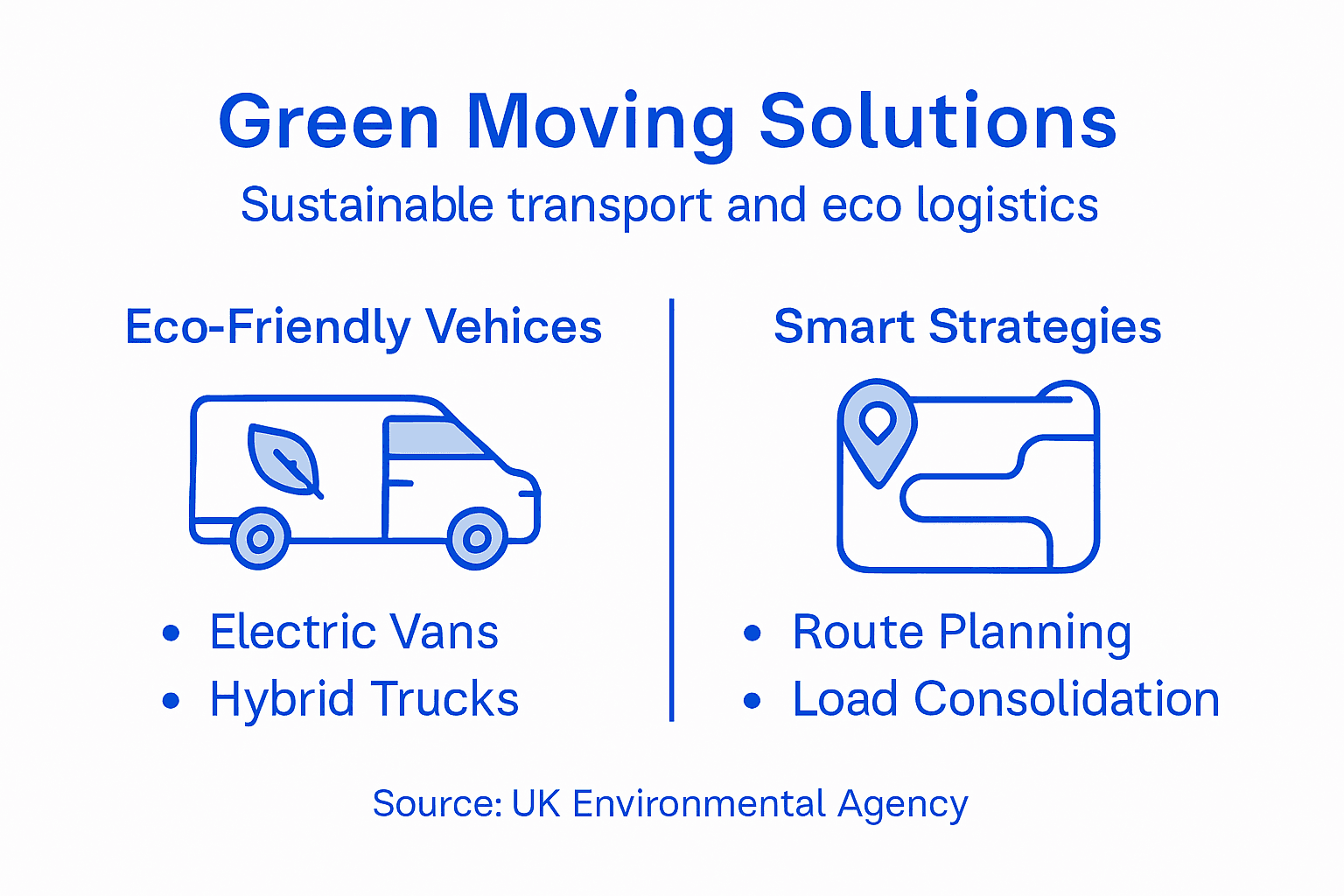
The UK government’s Transport Decarbonisation Plan provides strategic guidance for reducing carbon emissions across all transport modes. This approach emphasises electrification of vehicles, promoting alternative travel methods, and developing more efficient logistics systems that can be directly applied to moving practices.
Key sustainable transport strategies for moving include:
Sustainable road freight innovations are transforming the logistics landscape, offering more environmentally conscious transportation solutions. These advancements focus on improving fuel efficiency, reducing emissions, and creating more integrated green logistics networks that benefit both businesses and consumers.
Careful route planning and vehicle selection can dramatically reduce the environmental impact of moving. Consider factors such as vehicle efficiency, total distance travelled, and potential for shared transportation to minimise your carbon footprint.
Pro tip: Request carbon offset information from your moving company to understand and potentially mitigate the environmental impact of your relocation.
Environmental compliance has become a critical consideration for households and businesses undertaking relocation in the United Kingdom. Understanding the legal framework surrounding sustainable moving practices is essential for minimising ecological impact and meeting national environmental standards.
The UK’s Simpler Recycling regulations represent a significant step towards more consistent and effective waste management. From 2025, these regulations will require residents and organisations to adopt more rigorous waste separation and recycling protocols during moving processes.
Key environmental responsibilities during relocation include:
Environmental legislation in the UK establishes clear obligations for individuals and businesses to reduce carbon emissions and manage waste effectively. The Environment Act 2021 provides a comprehensive legal framework that makes environmental stewardship a mandatory consideration rather than an optional choice.
Moving presents a unique opportunity to demonstrate environmental responsibility by carefully managing resources, reducing waste, and making conscious choices that align with national sustainability goals. Each relocation can contribute to broader environmental conservation efforts.
Pro tip: Request a waste management plan from your moving company to ensure full compliance with current UK environmental regulations.
Sustainable moving strategies require careful planning and awareness to avoid common pitfalls that increase both environmental impact and relocation expenses. Many households unknowingly make decisions during moving that compromise their ecological and financial goals.
Eco-friendly moving alternatives can significantly reduce unnecessary waste and expenditure. Understanding these approaches helps transform moving from a resource-intensive process into an opportunity for responsible resource management.
Common mistakes to avoid during relocation include:
Cost-saving alternatives that support environmental sustainability involve strategic planning and creative resource management. This might include renting reusable moving containers, sourcing second-hand packing materials, consolidating transportation routes, and working with removal companies that prioritise fuel efficiency.
By approaching moving as an opportunity for responsible consumption, households can simultaneously reduce their ecological footprint and minimise relocation expenses. Every decision, from packing materials to transportation choices, presents a chance to make more sustainable and economically sensible choices.
Below is a summary of common mistakes in moving and their cost-effective, sustainable alternatives:
| Unsustainable Practice | Eco-Friendly Alternative | Why It Matters |
|---|---|---|
| Buying new boxes | Sourcing used boxes | Cuts resource use, saves money |
| Using excessive packing materials | Renting reusable containers | Reduces waste, lowers total cost |
| Discarding unwanted items | Donating or selling items | Diverts goods from landfill |
| Inefficient route planning | Consolidating shipments and routes | Minimises emissions, saves on fuel |
Pro tip: Create a detailed inventory of items before moving to identify opportunities for donation, sale, or responsible recycling.
Planning an eco-friendly relocation means tackling challenges like minimising waste, choosing sustainable packing, and reducing transport emissions. At Schott Removals, we understand these concerns and share your goal of making every move as green as possible. Our expert team offers environmentally responsible moving solutions, including careful route planning and use of efficient vehicles to lower carbon footprints. Discover how our services can help you embrace sustainable practices while ensuring a smooth and reliable move.
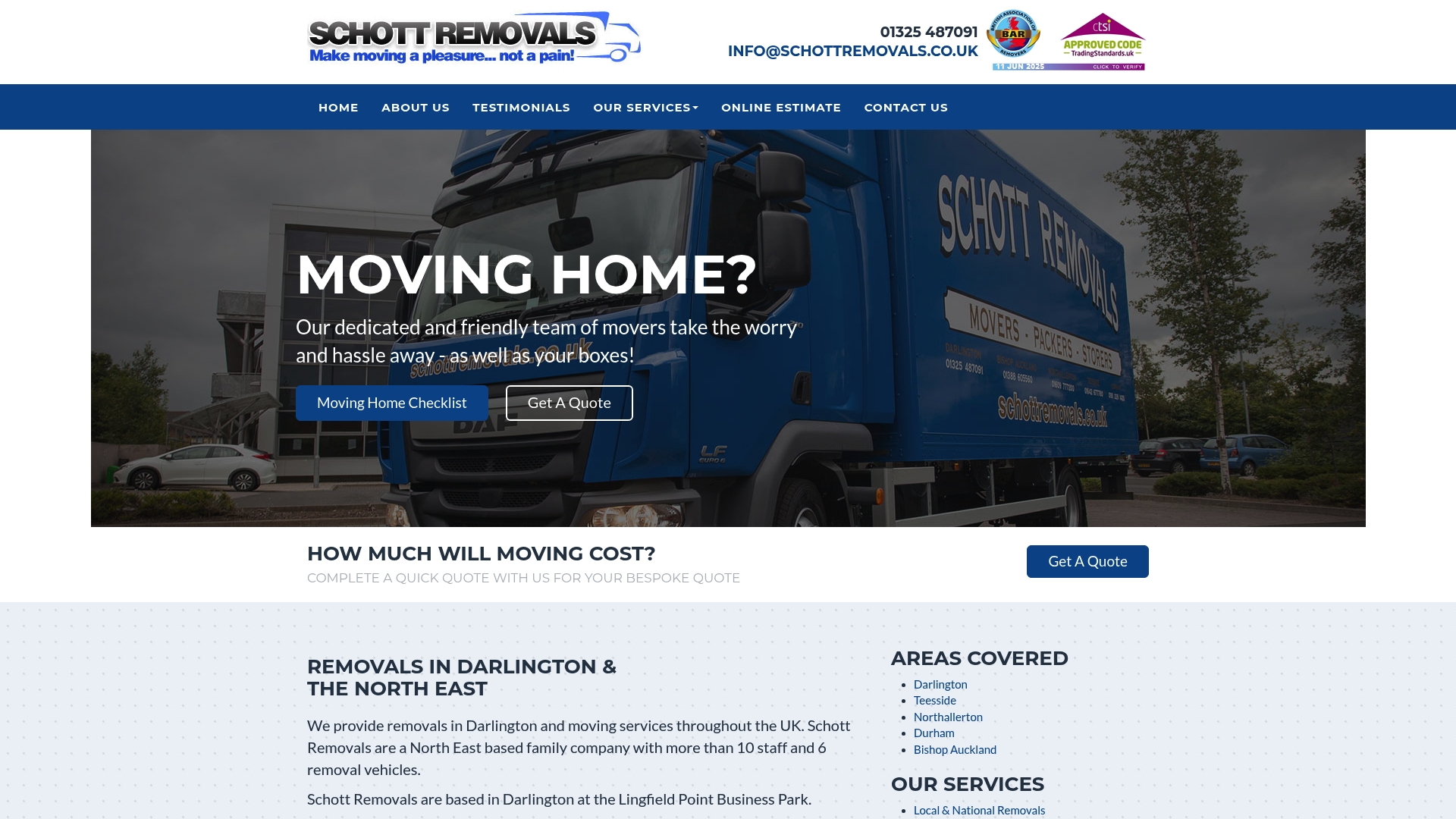
Ready to reduce your environmental impact during your next relocation? Visit Schott Removals for trusted expertise combined with genuine commitment to green moving. Learn more about how clients appreciate our dedication in the Testimonial Showcase Archives – Schott Removals and explore additional helpful tips in our Uncategorised Archives – Schott Removals. Begin your sustainable moving journey with us today and experience the difference professionalism and care can make.
Consider using biodegradable bubble wrap, recycled cardboard boxes, reusable plastic containers, natural fibre packing materials, and compostable protective packaging to minimise environmental impact during your move.
Evaluate your belongings by categorising items into groups like keep, donate, sell, and recycle. Donate usable items, sell valuables online, and research recycling options for complex items to reduce overall waste.
Utilise electric or hybrid moving vehicles, consolidate transportation routes, and select moving companies that adhere to green logistics protocols to reduce carbon emissions during your relocation.
Properly segregate waste streams, minimise single-use packaging, document your waste disposal efforts, and adhere to local authority guidelines to comply with current UK environmental regulations.
Unit 20, Lingfield Point
McMullen Road,
Darlington
DL1 1RW
Telephone: 01325 487091
Email: info@schottremovals.co.uk