
Moving house in the UK can feel stressful enough without tax worries looming over every box and key exchange. Relocation comes with its own financial puzzles, but did you know that employers can offer you tax-free relocation support up to £3,000 for qualifying expenses? Most people focus on stamp duty or council tax, yet it is those lesser-known reliefs and exemptions that often make the biggest difference to your moving budget.
Table of Contents
- Defining Moving Home Tax Implications: What You Need to Know
- The Importance of Understanding Tax Implications When Moving Home
- How Property Taxes and Capital Gains Affect Your Move
- Navigating Other Tax Considerations: What to Keep in Mind
- Real-World Scenarios: Tax Implications for Different Types of Moves
Quick Summary
| Takeaway | Explanation |
|---|---|
| Understand Capital Gains Tax | Selling your home may trigger tax liabilities; exemptions exist for primary residences and the last nine months of ownership. |
| Leverage Employer Relocation Assistance | Employers can provide up to £3,000 in tax-exempt relocation support for qualifying moving expenses. |
| Be Aware of Regional Tax Differences | Property taxes vary by location; research local regulations for potential costs when moving. |
| Plan for International Move Regulations | Moving to the UK can incur customs charges; understand the relief options for transporting personal belongings. |
| Utilise Tax Relief for Absences | Certain periods of absence from your property can still qualify for tax relief; understand these rules to minimise liabilities. |
Defining Moving Home Tax Implications: What You Need to Know
Moving home in the United Kingdom involves several tax considerations that can significantly impact your financial planning. Understanding these moving home tax implications helps you navigate potential costs and avoid unexpected financial burdens.
Understanding Capital Gains Tax on Property Sales
When selling a property, Capital Gains Tax (CGT) becomes a critical consideration. The UK government provides Private Residence Relief which can exempt homeowners from paying CGT on their main residence. According to HM Revenue & Customs, this relief covers the period you lived in the home and extends to the final 9 months before the sale, even if you were not physically residing there during that time.
Key aspects of CGT exemption include:
- Relief for periods when the property was your primary residence
- Exemption for the last 9 months of ownership
- Potential additional relief for specific periods of absence
Relocation Expenses and Tax Implications
Employers can play a significant role in managing tax implications for employees relocating. The UK tax system allows employers to provide tax-exempt relocation assistance up to 3,000 for qualifying expenses. These can include costs associated with:
- Buying or selling a home
- Moving expenses
- Purchasing essential items for the new home
- Bridging loan costs
To qualify for this exemption, employees must be moving to start a new job or changing their workplace within the organization. The new home should be reasonably close to the workplace, and all expenses must be paid before the end of the tax year following the job start date.
International Moves and Customs Relief
For individuals moving their primary residence to the UK, additional tax considerations come into play. UK Customs regulations offer relief from customs charges on personal belongings, including pets and private motor vehicles. This relief applies specifically to individuals establishing the UK as their main home, with certain restrictions for trusts, companies, and secondary residences.
By understanding these moving home tax implications, you can make informed decisions and potentially minimize your tax liability during relocation.
The Importance of Understanding Tax Implications When Moving Home
Navigating the complex landscape of tax implications during home relocation requires strategic financial planning and comprehensive understanding. These considerations can significantly impact your overall moving expenses and long term financial health, making it crucial to approach the process with informed decision making.
Financial Planning and Tax Strategy
Understanding tax implications is not merely about compliance but about strategic financial management. Taxes and Moving Expenses Guide highlights how proactive tax planning can help homeowners and renters minimise unexpected financial burdens. According to Office for National Statistics, housing costs constitute a significant portion of household expenditures.
Key strategic considerations include:
- Anticipating potential tax liabilities
- Understanding regional tax variations
- Identifying potential tax relief opportunities
- Budgeting for additional moving expenses
Regional Tax Variations and Impact
Tax implications can vary dramatically across different regions of the United Kingdom. Property transactions, stamp duty, and local council tax rates differ between urban centres like London and rural areas in County Durham. These variations mean that moving from one region to another can have substantial financial consequences.
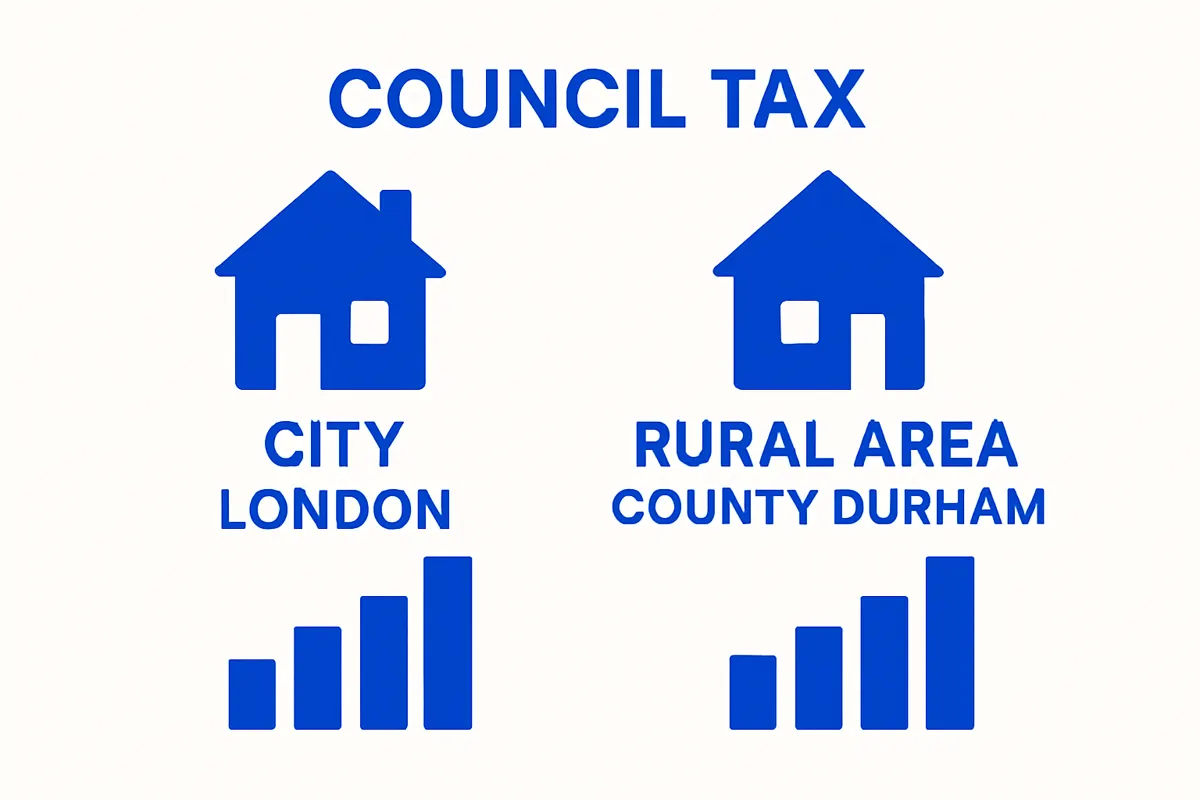
Factors influencing regional tax differences include:
- Local property market conditions
- Regional economic development
- Council tax band assessments
- Specific local government regulations
Long Term Financial Consequences
Neglecting to understand tax implications can lead to significant financial strain. Unexpected tax bills, penalties for non-compliance, and missed relief opportunities can transform what seems like a straightforward move into a complex financial challenge. Proper research and professional advice can help mitigate these risks and ensure a smoother, more financially predictable relocation process.
By comprehensively understanding moving home tax implications, individuals can transform a potentially stressful experience into a strategic financial opportunity.
How Property Taxes and Capital Gains Affect Your Move
Property taxes and capital gains represent complex financial considerations that can significantly impact the financial outcome of your home move. Understanding these intricate tax mechanisms is crucial for making informed decisions and protecting your financial interests during property transactions.
Understanding Capital Gains Tax Principles
Capital Gains Tax (CGT) applies when you sell a property that has increased in value since its original purchase. Explore our comprehensive tax guide to understand the nuanced implications of property sales. According to HM Revenue & Customs, CGT is calculated on the profit made from selling an asset, not the total amount received.
Key considerations for CGT include:
- Calculating the gain between purchase and sale price
- Determining your annual tax-free allowance
- Understanding exemptions for primary residences
- Identifying potential tax liabilities
Property Tax Variations Across Regions
Tax implications differ substantially across various UK regions, with local factors significantly influencing property tax calculations. In areas like County Durham and urban centres such as Newcastle, property tax assessments can vary based on:
- Local council tax bands
- Regional property market conditions
- Specific local government regulations
- Property valuation assessments
These regional variations mean that the same property transaction could incur different tax liabilities depending on its geographical location, making comprehensive research essential for financially prudent moves.
Strategies for Minimising Tax Exposure
Proactive planning can help mitigate potential tax burdens associated with property moves. Private Residence Relief offers significant protection for homeowners selling their primary residence, potentially exempting them from CGT for the period they lived in the property.
Strategic approaches to managing property tax implications include:
- Timing your property sale strategically
- Maintaining detailed records of property improvements
- Understanding your annual tax-free allowance
- Consulting with tax professionals for personalised advice
By comprehensively understanding these tax mechanisms, individuals can transform potentially complex property transactions into strategic financial opportunities.

Navigating Other Tax Considerations: What to Keep in Mind
Beyond standard property taxes and capital gains, several additional tax considerations can impact your moving experience. Understanding these nuanced financial aspects helps prevent unexpected expenses and ensures a smoother relocation process across the United Kingdom.
Employer Relocation Assistance and Tax Implications
Our comprehensive tax guide highlights the complex landscape of employer-provided relocation support. According to HM Revenue & Customs, employers offering financial assistance for employee relocations must navigate specific tax and National Insurance obligations.
Key considerations for employer relocation support include:
- Tax exemptions for qualifying relocation expenses
- National Insurance reporting requirements
- Specific conditions for non-qualifying costs
- Potential financial benefits for employees
Periods of Absence and Tax Relief
The duration and nature of your property’s occupancy can significantly influence tax relief calculations. In regions like County Durham and urban centres such as Newcastle, property absence rules can dramatically affect your tax liability. Certain periods of absence may still qualify for tax relief, creating opportunities for strategic financial planning.
Factors influencing absence-related tax relief include:
- Periods of work-related relocation
- Temporary international assignments
- Personal circumstances requiring temporary residence changes
- Duration and purpose of property absence
Specialized Relocation Expense Categories
Certain relocation expenses qualify for specific tax treatments, offering potential financial advantages. Qualifying expense categories encompass a wide range of moving-related costs, from transportation of belongings to bridging loan arrangements.
Specialized relocation expense categories include:
- Costs associated with disposing of the old residence
- Expenses for acquiring a new residence
- Transportation and moving logistics
- Domestic goods acquisition for the new home
- Bridging loan arrangements
By meticulously understanding these additional tax considerations, individuals can transform their moving experience from a potentially complicated financial journey into a strategically managed transition.
Real-World Scenarios: Tax Implications for Different Types of Moves
Moving home involves numerous tax considerations that vary dramatically depending on specific circumstances. Understanding these nuanced scenarios helps individuals and families navigate potential financial complexities during relocation.
Residential Moves Within the UK
Explore our comprehensive moving guide to understand the intricate tax landscape for domestic moves. According to HM Revenue & Customs, different types of residential moves trigger unique tax implications across regions like County Durham, Newcastle, and London.
Key considerations for domestic moves include:
- Impact of regional property market variations
- Local council tax band assessments
- Potential stamp duty variations
- Changes in residential status
International and Long-Distance Relocations
Cross-border moves introduce additional tax complexities that require careful navigation. Individuals transferring their primary residence internationally must understand specific relief provisions and reporting requirements. Tax implications differ substantially when moving between countries, affecting everything from personal belongings to potential property holdings.
Critical factors for international moves include:
- Customs regulations for personal property transfer
- Tax residency status changes
- Potential double taxation considerations
- Documentation requirements for tax authorities
Specialized Moving Scenarios
Certain moving scenarios demand unique tax treatment. Professionals relocating for work, individuals inheriting property, or those managing multiple residential properties face distinct tax challenges. Property absence rules can significantly impact tax liabilities, particularly for those with temporary international assignments or extended work relocations.
Specialized moving scenarios to consider:
- Work-related relocations
- Inherited property transfers
- Multiple property ownership
- Extended periods of absence from primary residence
By comprehensively understanding these real-world moving scenarios, individuals can strategically manage their tax obligations and minimize potential financial complications during relocation.
Below is a comparison table outlining different types of moves and how their tax implications may differ according to the scenarios discussed in the article.
| Type of Move | Key Tax Implications | Example Situations |
|---|---|---|
| Domestic Move (UK) | Varies by regional tax bands, council tax, stamp duty | Moving between London and County Durham |
| International Relocation | Customs relief, change in tax residency, possible double taxation | Moving primary home from abroad to the UK |
| Work-Related Relocation | Potential employer tax-free assistance up to £3,000 | Employee moving for a new job in a different city |
| Inherited Property Transfer | Inheritance tax, potential CGT on subsequent sale | Receiving a property as inheritance |
| Extended Absence from Residence | Property absence rules may affect CGT relief eligibility | Relocating temporarily abroad for work assignments |
| Multiple Property Ownership | CGT on non-primary residence, local tax on all properties | Owning and renting out an additional home |
This table highlights common moving scenarios and the distinctive tax elements that individuals should be prepared to manage.
Turn Tax Concerns into a Smooth Relocation with Schott Removals
Worried about the complex moving home tax implications discussed in the article? If you are feeling overwhelmed by capital gains tax, property tax variations or the uncertainty of qualifying relocation expenses, you are not alone. Many families and individuals face these challenges and find that detailed planning and trustworthy support are absolutely essential for reducing financial stress during a move. The team at Schott Removals understands that when you are balancing legal obligations and searching for ways to minimise your tax liability, the last thing you need is hassle or uncertainty from your removals provider. Our tailored services provide transparent, professional solutions to help you stay focused on what truly matters: a safe and efficient move.

Make your next move easier and gain peace of mind today. Visit Schott Removals to discover how our experienced team can handle your UK or international relocation with zero fuss and maximum reliability. Need more advice on navigating your next move? Download our essential Taxes and Moving Expenses Guide or book your journey with trusted professionals who care. With Schott Removals by your side, safeguarding your financial interests and ensuring a smooth transition is not just possible – it is our promise.
Frequently Asked Questions
What is Capital Gains Tax and how does it apply when selling a home in the UK?
Capital Gains Tax (CGT) is a tax on the profit made from selling an asset. When selling a home, you may be exempt from CGT on your main residence due to Private Residence Relief, covering the time you lived there and the last nine months of ownership.
Are relocation expenses provided by my employer taxable?
Yes, relocation expenses can be taxable, but employers may provide tax-exempt relocation assistance up to £3,000 for qualifying costs related to moving for a new job or changing workplaces within the same organisation.
How do regional variations affect property taxes in the UK?
Property taxes can vary significantly across regions in the UK, influenced by local council tax rates, property market conditions, and local government regulations, which can impact the overall cost of moving home.
What should I know about moving home tax implications for international relocations?
When relocating internationally, you may benefit from customs relief on personal belongings. However, you should also be aware of the different tax residency rules and potential double taxation issues when transferring your primary residence to another country.