
Moving house can turn even the simplest furniture into fragile cargo. You might be surprised to learn that wooden antiques, glass cabinets, and designer sofas all demand completely different protection strategies, yet most people wrap everything the same and hope for the best. The real difference between a stress-free move and disaster often comes down to one step that even seasoned movers forget—proper assessment and planning before you even open a single box.
Table of Contents
- Step 1: Assess Your Furniture and Valuable Items
- Step 2: Gather Necessary Packing Materials
- Step 3: Securely Pack Each Item for Transport
- Step 4: Label and Inventory Your Furniture
- Step 5: Verify Protection and Condition Before Moving
Quick Summary
| Key Point | Explanation |
|---|---|
| 1. Assess furniture and valuables first | Conduct a thorough evaluation of your items’ condition and characteristics to determine appropriate packing strategies. |
| 2. Gather high-quality packing materials | Invest in professional-grade packing supplies to protect fragile and valuable items during the move effectively. |
| 3. Pack items carefully and securely | Use specific techniques for different items, ensuring they are well cushioned and labelled to prevent damage. |
| 4. Develop a systematic labelling system | Create a clear and colour-coded label system to facilitate easy identification and handling of your belongings. |
| 5. Conduct a final verification before moving | Perform a detailed inspection of wrapped items to confirm they are securely packed, reducing the risk of damage during transport. |
Step 1: Assess Your Furniture and Valuable Items
Before you pack a single box or wrap a single item, understanding the unique characteristics of your furniture and valuable possessions is crucial for protecting them during a move. This initial assessment stage determines the specific protection strategies you’ll need for different items, whether you’re moving from a cosy flat in Darlington or a spacious home in County Durham.
Start by conducting a comprehensive inventory of your furniture and valuables. Walk through each room methodically, making mental and written notes about the condition, material, and potential fragility of each piece. Wooden antiques, glass display cabinets, and delicate family heirlooms will require significantly different handling compared to modern, robust furniture.
Pay special attention to items with unique characteristics. Leather sofas need different protection from fabric upholstered chairs, while marble-topped tables demand more careful handling than wooden side tables. Measure larger furniture pieces to understand potential challenges during transportation. This step helps determine whether certain items might need professional dismantling services for complex furniture moves.
For high-value or sentimental items, consider creating a detailed photographic record before packing. Take clear, well-lit photographs from multiple angles, documenting existing scratches, dents, or imperfections. These images serve as crucial evidence of the item’s condition before the move and can be invaluable for insurance purposes if any damage occurs during transit.
Classify your items into clear categories to streamline your protection strategy. Create groups such as:
- Fragile and irreplaceable (crystal, antiques, artwork)
- Robust and standard (modern furniture, kitchen appliances)
- Mechanically complex (electronics, items with moving parts)
This categorisation will guide your subsequent packing and protection techniques, ensuring each item receives appropriate care.
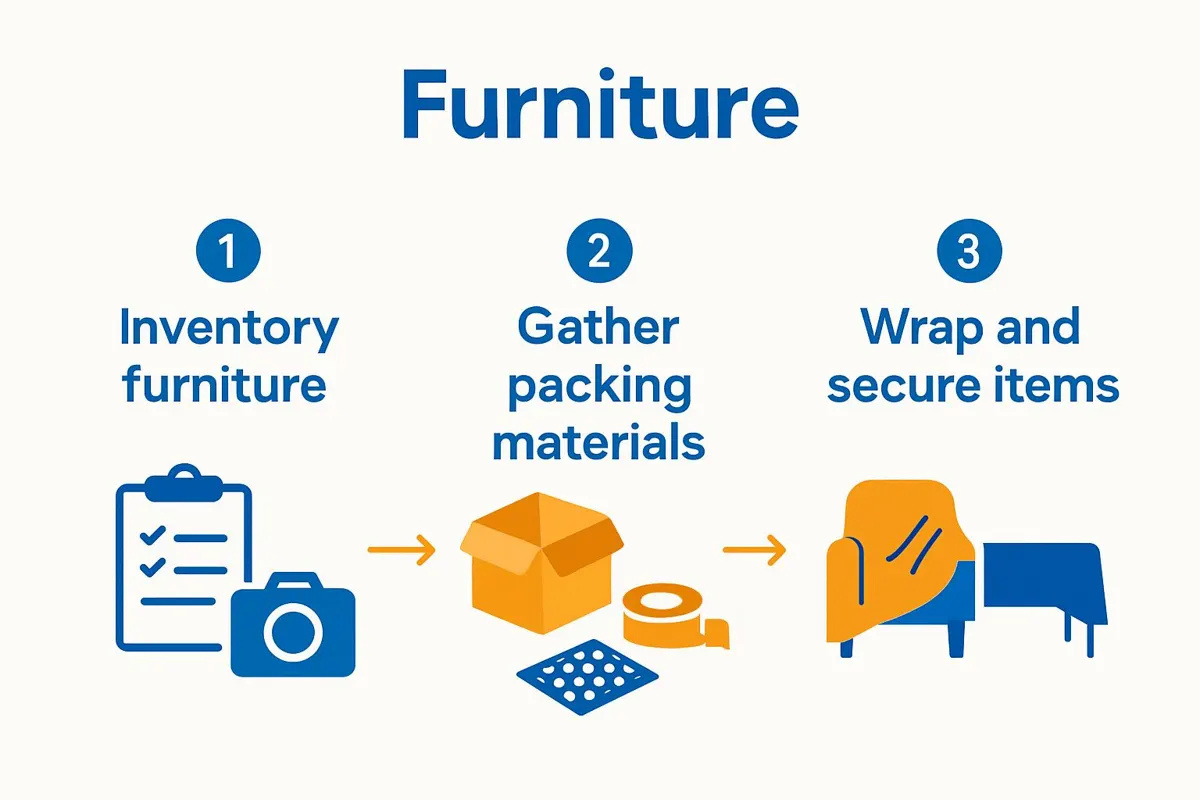 Remember that thorough assessment now can prevent costly damage and emotional distress later in your moving journey.
Step 2: Gather Necessary Packing Materials
With a comprehensive understanding of your furniture and valuable items, the next critical phase is assembling the right packing materials. This step transforms your moving preparation from theoretical planning to practical action, ensuring each item receives optimal protection during transportation.
Quality packing materials are the unsung heroes of a successful move, acting as a protective shield for your cherished possessions. Begin by investing in professional-grade materials that go beyond basic cardboard boxes. Sturdy double-walled cardboard boxes, speciality packaging, bubble wrap, and high-quality packing tape are fundamental to safeguarding your items. Consider exploring comprehensive moving checklists to ensure you don’t overlook any essential packing supplies.
Prioritise acquiring materials specifically suited to different item types. Delicate china and glassware require specialised dish-pack boxes with internal dividers, while artwork and mirrors demand custom picture boxes with reinforced edges. Furniture blankets or professional-grade moving blankets are crucial for protecting wooden surfaces, upholstery, and preventing scratches during transit.
While purchasing materials, consider quantity and quality carefully. Professional movers recommend acquiring slightly more materials than your initial estimate to account for unexpected items or last-minute packing needs. This prevents unnecessary stress and multiple shopping trips during the already complex moving process.
Prepare a comprehensive packing materials list that includes:
- Assorted box sizes (small, medium, large)
- Bubble wrap and packing paper
- Strong packing tape and tape dispenser
- Furniture blankets and protective covers
- Speciality containers for fragile items
- Marker pens for labelling
Remember that investing in high-quality packing materials is significantly more cost-effective than replacing damaged items. While budget-friendly options might seem attractive, professional-grade materials provide superior protection and peace of mind during your move. Your future self will appreciate the extra care and attention to detail in this critical preparation stage.
Below is a table summarising essential packing materials for moving furniture, their purposes, and special notes to help ensure proper protection during transit.
| Packing Material | Purpose | Special Notes |
|---|---|---|
| Double-walled cardboard boxes | General protection and structure for items | Use various sizes to suit item dimensions |
| Bubble wrap | Cushioning delicate and fragile items | Wrap multiple layers for valuables |
| Packing paper | Wrap smaller items; fill gaps in boxes | Avoid newspaper as it may leave ink marks |
| Furniture blankets/covers | Protect wooden surfaces and upholstery | Prevents scratches, dust, and moisture ingress |
| Strong packing tape | Secures boxes and protective wraps | Use a tape dispenser for efficient sealing |
| Speciality containers | Secure transport of glassware and artwork | Look for dish-pack boxes, reinforced picture boxes |
| Marker pens | Clear labelling of boxes and items | Enables quick identification and instructions |
Step 3: Securely Pack Each Item for Transport
Now that you’ve assessed your items and gathered high-quality packing materials, the intricate process of securing each piece for transportation begins. This step requires patience, methodical approach, and understanding that different items demand unique protective strategies.
Start with fragile and valuable items, wrapping them individually in multiple layers of bubble wrap or speciality packing paper. Create a protective cocoon around delicate pieces like crystal glassware, ceramic ornaments, and electronic equipment. For wooden furniture, focus on preventing surface scratches and structural damage by using furniture blankets and strategically placed padding. Explore professional moving logistics to understand advanced protection techniques.
When packing furniture, disassemble larger pieces whenever possible. Remove table legs, detach headboards from bed frames, and carefully label each component to ensure easy reassembly. Wrap wooden surfaces with furniture blankets, securing them with packing tape to prevent movement. For upholstered items, use specialised plastic covers that protect against dust, moisture, and potential tears during transit.
Electronics require exceptional care due to their sensitivity and value. Original packaging is ideal, but if unavailable, wrap each item in anti-static bubble wrap and place inside sturdy boxes with additional cushioning. Fill empty spaces with packing peanuts or crumpled paper to prevent internal movement, which can cause significant damage.
Prioritise creating a systematic packing approach with these key considerations:
- Heaviest items at the bottom of boxes
- Fragile items individually wrapped and centrally placed
- No empty spaces that allow movement
- Clear labelling indicating contents and handling instructions
Consider the weight distribution carefully. Overpacking boxes can lead to structural failure, while underpacking allows dangerous internal movement. Each box should feel solid and secure when sealed, with minimal shifting when gently shaken. By dedicating time and attention to this meticulous packing process, you significantly reduce the risk of damage during transportation, ensuring your cherished possessions arrive at their new destination in pristine condition.
Step 4: Label and Inventory Your Furniture
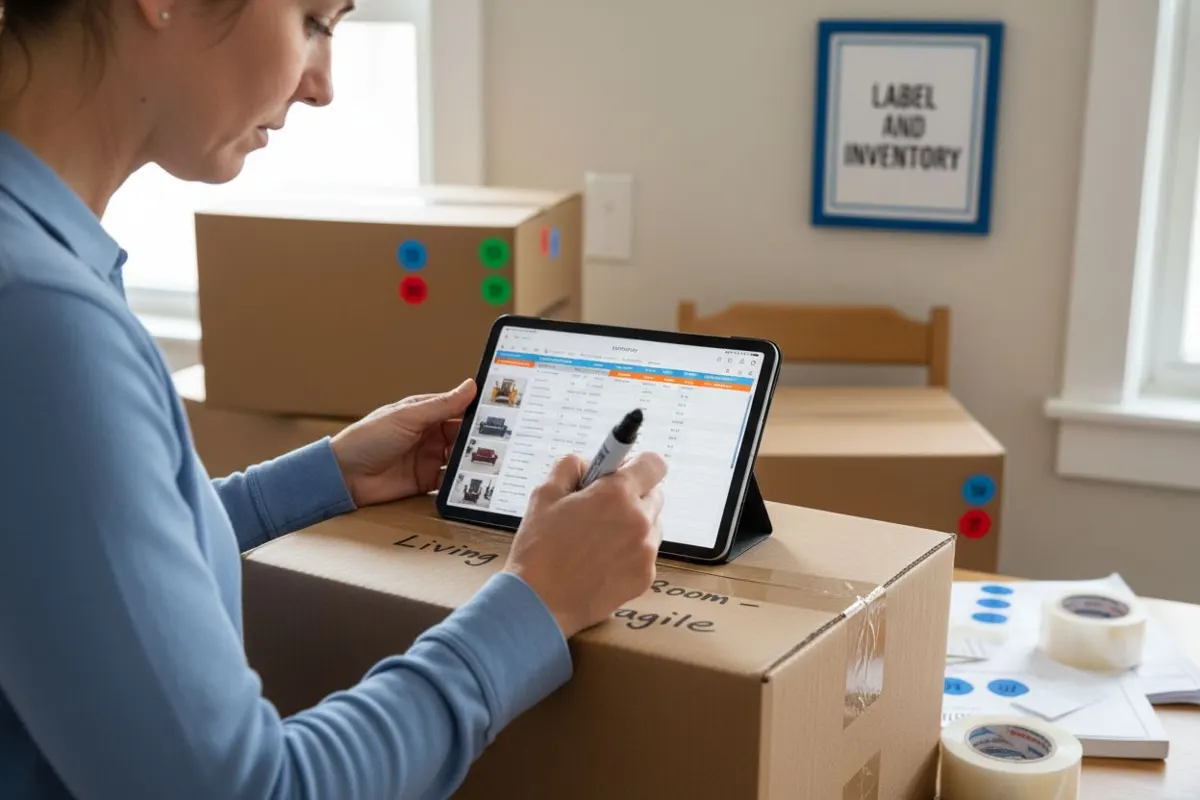
Labelling and inventorying your furniture transforms a potentially chaotic moving process into a systematically managed operation. This crucial step ensures that every item is accounted for, easily identifiable, and strategically prepared for transportation from your current home to your new destination.
Comprehensive documentation is your best defence against potential loss or damage during moving. Create a detailed digital and physical inventory that includes photographs, descriptions, and current condition of each significant piece. Use a dedicated notebook or spreadsheet to track each item, noting its origin room, special handling requirements, and any existing imperfections. Professional moving guides recommend thorough documentation to streamline the entire relocation process.
When labelling, develop a colour-coded and numerical system that provides immediate information about each item. Assign different coloured stickers or labels to represent specific categories such as fragility, destination room, or special handling instructions. For instance, red might indicate extremely delicate items, while green could signify robust furniture that requires standard handling. Accompany these colour codes with clear, legible written labels that include essential information like contents, original room, and any dismantling notes.
Photograph each piece before wrapping, capturing multiple angles and existing condition. These images serve dual purposes: providing a visual inventory and creating documentation for potential insurance claims. Store these photographs securely, preferably in a cloud storage system or backed up on multiple devices, ensuring you can access them throughout the moving process.
Prepare a comprehensive inventory list that includes:
- Item description and current condition
- Original location in current home
- Intended location in new property
- Special handling requirements
- Estimated value
Maintain a systematic approach by working room by room, ensuring no item is overlooked. Your labelling system should be intuitive enough that anyone handling your furniture can quickly understand its requirements. By investing time in meticulous documentation and labelling, you significantly reduce the potential for confusion, misplacement, or damage during your moving journey. This preparation transforms a potentially stressful experience into a controlled, organized transition.
Step 5: Verify Protection and Condition Before Moving
The final preparatory stage of protecting your furniture involves a meticulous verification process that bridges your careful packing efforts with the actual moving day. This critical step ensures that every item is perfectly prepared for transportation, minimising potential damage and providing peace of mind during what can be a stressful transition.
Systematic final inspection is paramount to successful furniture protection. Begin by conducting a comprehensive walkthrough of your packed items, carefully examining each box and wrapped piece to confirm that your protection strategies have been correctly implemented. Look for any potential weak points in packaging, such as insufficient bubble wrap coverage, loose tape, or inadequate cushioning. Professional moving resources recommend thorough pre-move checklists to ensure nothing is overlooked during this crucial verification stage.
Photograph each packed item from multiple angles immediately before loading, creating a visual record of their condition. This documentation serves as crucial evidence should any damage occur during transit. Pay special attention to valuable or fragile items, ensuring they are not just wrapped securely but positioned in a manner that minimises potential movement or pressure from surrounding items.
Conduct a final structural assessment of larger furniture pieces. Confirm that any disassembled components are correctly labelled and that small hardware or attachment pieces are securely stored in clearly marked bags. For wooden furniture, double-check that protective blankets are tightly secured and that no exposed surfaces remain vulnerable to scratches or moisture.
Prepare a final verification checklist that includes:
- All items wrapped and secured appropriately
- Boxes and items labelled with handling instructions
- Photographic documentation completed
- Fragile items positioned strategically
- Hardware and small components properly stored
Remember that this verification process is more than a mechanical task it is your last opportunity to prevent potential moving day disasters. Take your time, remain methodical, and trust your careful preparation.
The following table presents a checklist of key actions to verify before moving, ensuring your furniture is thoroughly protected and ready for transport.
| Verification Task | Description | Importance |
|---|---|---|
| Inspect all wrapped items | Confirm packaging is intact and offers sufficient protection | Prevents overlooked weak spots |
| Check labels and handling instructions | Ensure every item/box is correctly labelled | Aids in careful handling |
| Complete photographic documentation | Take photos of each item/box before loading | Serves as condition evidence |
| Position fragile items strategically in vehicle | Avoid pressure or movement during loading | Minimises breakage risk |
| Store hardware and small components securely | All screws/parts placed in marked bags | Eases reassembly, prevents loss |
| Confirm no unprotected surfaces remain exposed | All blankets and covers tightly fitted | Shields from scratches/moisture |
| Review final checklist | Tick off all protection steps before loading begins | Ensures nothing is missed |
Give Your Furniture the Professional Care It Deserves During Your Move
Worried about irreplaceable antiques, delicate heirlooms or valuable furnishings being damaged on moving day? You are not alone. This step-by-step guide stresses how an organised assessment, tailored packing and precise documentation are essential for protecting your most important possessions. But putting these plans into action can feel overwhelming, especially if you have a home full of sentimental or high-value items at risk.
Explore a stress-free solution with Schott Removals. As a trusted family-run moving company in Darlington, we specialise in handling fragile and valuable furniture with the utmost care. Backed by over 30 years of experience, our expert team uses proven techniques and top-quality packaging to keep your belongings safe from door to door. With detailed inventories, personalised protective wrapping and a reputation for reliability, we remove the guesswork and give you genuine peace of mind. For more insights or to see how we handle a wide range of moving challenges, visit our Uncategorised Archives or our main site.

Choose confidence over worry. Contact us now to discuss your furniture removal needs or request a quote. Ensure your move is smooth and your most treasured pieces are fully protected by the professionals at Schott Removals before your moving date arrives.
Frequently Asked Questions
How do I assess my furniture for moving?
Start by conducting a thorough inventory of each item’s condition, material, and fragility. Walk through your home room by room, noting significant pieces and any required special handling to protect them during the move.
What packing materials do I need to protect my furniture?
Gather professional-grade packing supplies such as sturdy double-walled cardboard boxes, bubble wrap, and furniture blankets. Ensure you have specific materials for delicate items, like dish-pack boxes for china or custom containers for artwork, to maximise protection.
What is the best way to securely pack fragile items?
Wrap each fragile item individually in multiple layers of bubble wrap or packing paper, creating a protective cocoon. Place these items centrally in sturdy boxes and fill any empty spaces with cushions like packing peanuts or crumpled paper to prevent movement.
How should I label my packed furniture for the move?
Develop a colour-coded labelling system that indicates fragility and the room each item belongs to. Clearly label the contents, original room, and any special handling instructions on each box to streamline unpacking and ensure proper care during transport.
What should I verify before moving day to protect my furniture?
Conduct a final inspection of all packed items to ensure proper wrapping and labelling. Take photos of each item or box before loading to document their condition, which can be helpful in case of insurance claims for any damages during transport.
How do I prevent damage to my furniture during transportation?
Prioritise disassembling larger pieces and securing smaller components in clearly marked bags. Use protective covers and blankets for wooden and upholstered items, and ensure each box is properly sealed with tape to eliminate movement during transit.
Recommended
- How to Move Heavy Furniture: UK and International Guide 2025 | Schott Removals
- Managing Moving Day Logistics: Expert Tips for UK Moves 2025 | Schott Removals
- Office Furniture Dismantling Guide 2025: Trusted UK Solutions | Schott Removals
- Stress-Free Moving Checklist 2025: UK, International & Business Moves | Schott Removals