Many small business owners assume self-storage suits only home movers or personal decluttering, yet it’s a strategic resource for inventory management and business relocation. Flexible contracts, robust security, and scalable space allow UK businesses to adapt swiftly to seasonal demand, growth, and operational changes. This guide explains the options, costs, and practical steps to protect and optimise your inventory in 2026, helping you make informed storage decisions with confidence.
Table of Contents
- Why Flexible Storage Matters For Small Business Inventory
- How Security Features Protect Your Valuable Inventory
- Comparing Business Storage Units And Warehousing: What Suits Your Needs?
- Practical Tips For Securing And Managing Inventory In Self-Storage
- Explore Our Secure And Flexible Storage Solutions
- Frequently Asked Questions
Key takeaways
| Point | Details |
|---|---|
| Scalable space and short contracts | Self-storage offers flexibility and scalability, letting businesses adjust space based on inventory needs without long-term leases. |
| Enhanced security features | Modern facilities provide 24-hour surveillance, controlled access, and individual alarms to protect valuable stock far better than home storage. |
| Cost-effective for fluctuating demand | Flexible storage helps manage peak seasons and relocations affordably, avoiding unnecessary warehouse overheads for small to medium businesses. |
| Practical packing and insurance | Choosing the right facility, using quality packing materials, and insuring inventory with providers requiring 24/7 CCTV coverage safeguard your assets. |
| Business storage vs warehousing | Business storage units suit small and mid-sized businesses needing adaptable, short-term space without the fixed costs and complexity of traditional warehousing. |
Why flexible storage matters for small business inventory
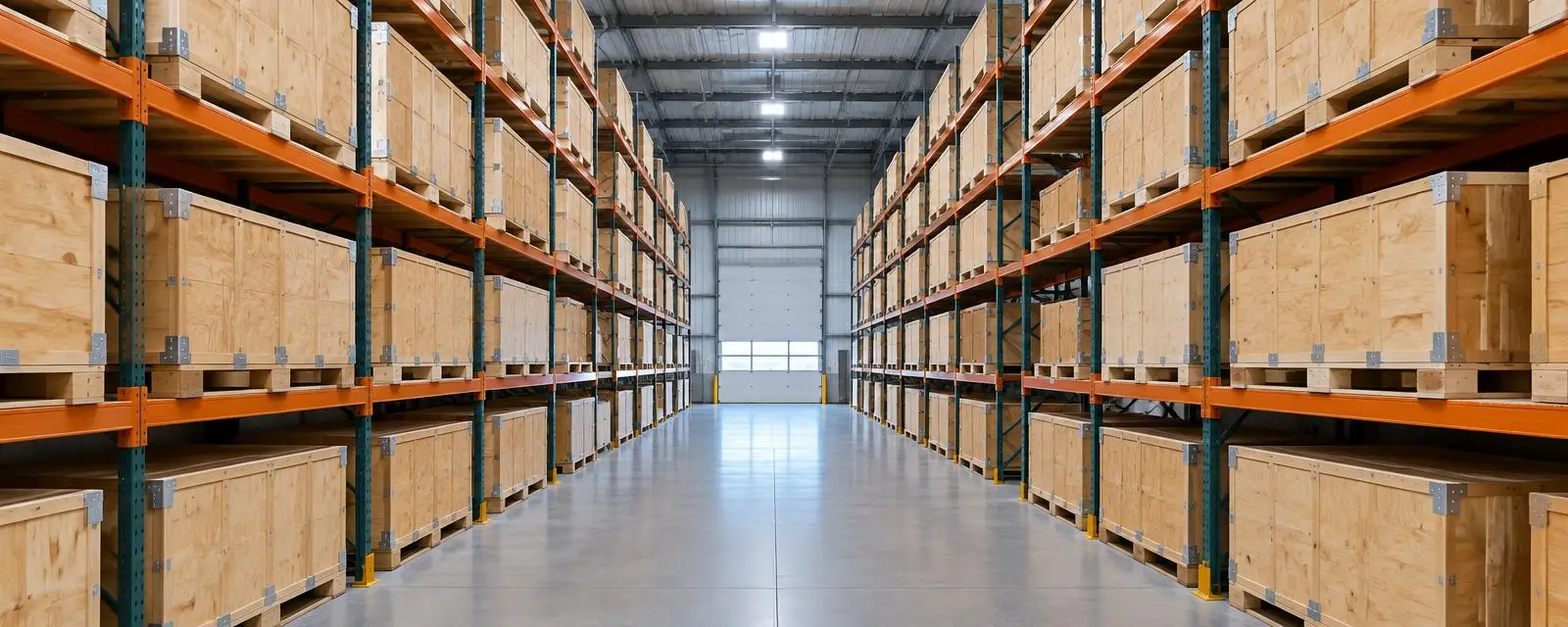
Flexibility defines the core advantage of self-storage for UK small businesses. Self-storage offers flexibility in contract length and unit size, allowing you to scale storage needs up or down as required without committing to rigid long-term leases. Units range from compact lockers holding a few boxes to large spaces accommodating full pallet loads, so you pay only for what you actually use. This scalability becomes vital during growth spurts, seasonal peaks, or business relocations when inventory volumes fluctuate unpredictably.
Month-to-month contracts eliminate the financial burden of fixed annual warehouse leases. You can expand storage during busy periods like Christmas or summer sales, then downsize when stock levels normalise, avoiding wasted expense on unused square footage. This adaptability suits businesses with variable cash flow or those testing new product lines, letting you respond quickly to market changes without penalty clauses or lengthy negotiations.
During relocations, flexible storage provides a secure holding area for inventory while you arrange new premises or refurbish existing ones. You maintain business continuity without rushing critical decisions under pressure. The ability to adjust your storage footprint weekly or monthly gives you breathing room to plan strategically rather than react frantically, protecting both your stock and your sanity during transitional periods.
Pro Tip: Regularly review your inventory turnover rates and seasonal patterns every quarter to optimise storage size efficiently, reducing costs without compromising accessibility.
- Self-storage units vary widely in size, from small lockers to large units holding full business inventories.
- Month-to-month contracts let businesses avoid long-term lease commitments and financial rigidity.
- Flexible storage meets fluctuating demand, especially during peak seasons and relocations.
- Avoid paying for unused space with scalable storage solutions that grow or shrink with your needs.
How security features protect your valuable inventory
Modern self-storage facilities in the UK deploy security measures that far exceed typical home garages or sheds. Self-storage facilities provide enhanced security, including 24-hour surveillance and controlled access, creating multiple layers of protection for your inventory. These features aren’t optional extras but standard provisions at reputable facilities, reflecting the high-value goods businesses entrust to storage providers.
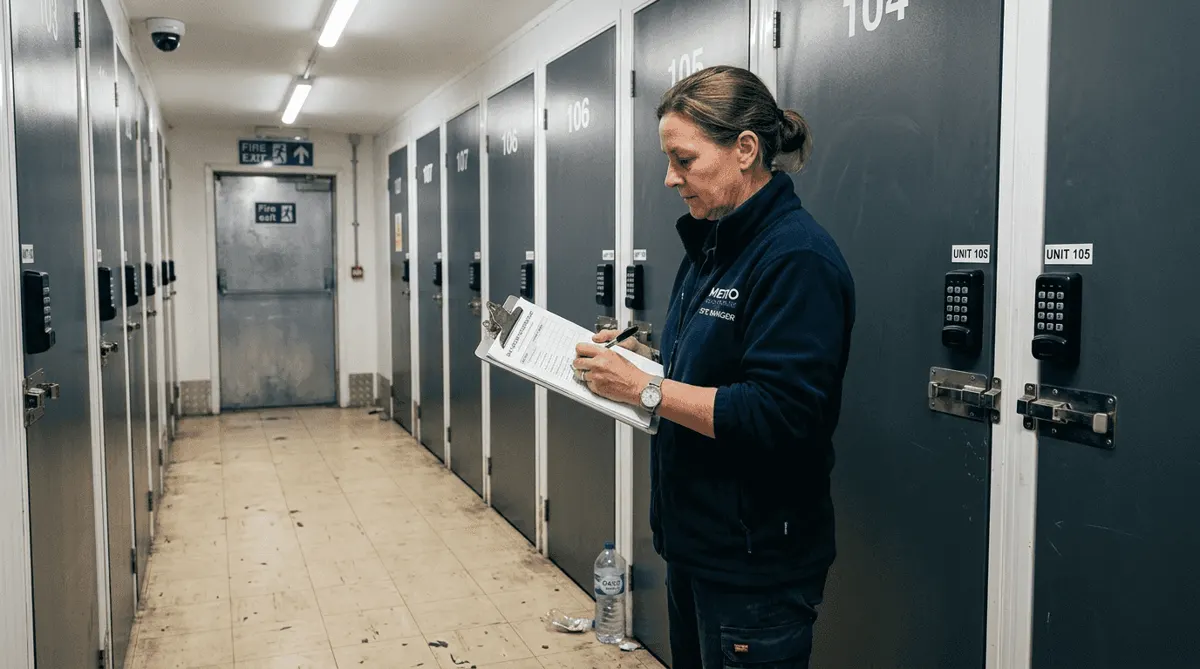
Key security elements include 24/7 CCTV coverage monitoring all access points and corridors, individual unit alarms triggered by unauthorised entry, and PIN or keycard access systems limiting who can enter the premises. On-site staff presence during business hours adds a human deterrent, whilst regular security patrols during evenings and weekends maintain vigilance around the clock. Modern self-storage facilities offer enhanced security features compared to traditional storage options, significantly reducing risks for small businesses storing valuable stock or equipment.
Insurance providers increasingly require 24/7 CCTV surveillance as a condition for covering stored goods, recognising that video monitoring dramatically reduces theft and vandalism risks. Some facilities also offer climate-controlled units protecting sensitive inventory from temperature fluctuations and humidity damage, preserving product quality over extended storage periods. Fire detection systems and sprinklers add another safety layer, safeguarding against accidental damage that could wipe out your entire stock.
Pro Tip: Inspect facilities personally before renting to verify security measures, checking camera placements, lighting quality, and staff responsiveness to questions about access protocols.
- 24/7 CCTV coverage monitors all areas continuously, creating video evidence if incidents occur.
- Controlled access via PIN codes or keycards restricts entry to authorised users only.
- Individual unit alarms alert staff immediately to unauthorised access attempts.
- On-site staff and regular patrols deter intruders effectively through visible presence.
- Insurance often mandates 24/7 video surveillance for stored goods, confirming its importance.
Comparing business storage units and warehousing: what suits your needs?
Understanding the differences between business storage units and traditional warehousing helps you choose the right solution for your operational needs and budget. Warehousing generally incurs higher ongoing expenses compared to self-storage, involving long leases, staffing costs, utility bills, and often complex logistics management systems. These fixed overheads make warehousing suitable primarily for large-volume operations requiring sophisticated inventory handling, shipping coordination, and potentially staff working on-site daily.
Business storage units offer month-to-month contracts and pay-for-what-you-use models, bundling security, climate control, and facility maintenance into a single predictable cost. Business storage units offer cost-effective and flexible solutions for small to medium-sized businesses needing adaptable space without long-term financial commitments or operational complexity. You access your inventory whenever required using your personal access code, avoiding dependency on warehouse staff schedules or pick-and-pack service fees.
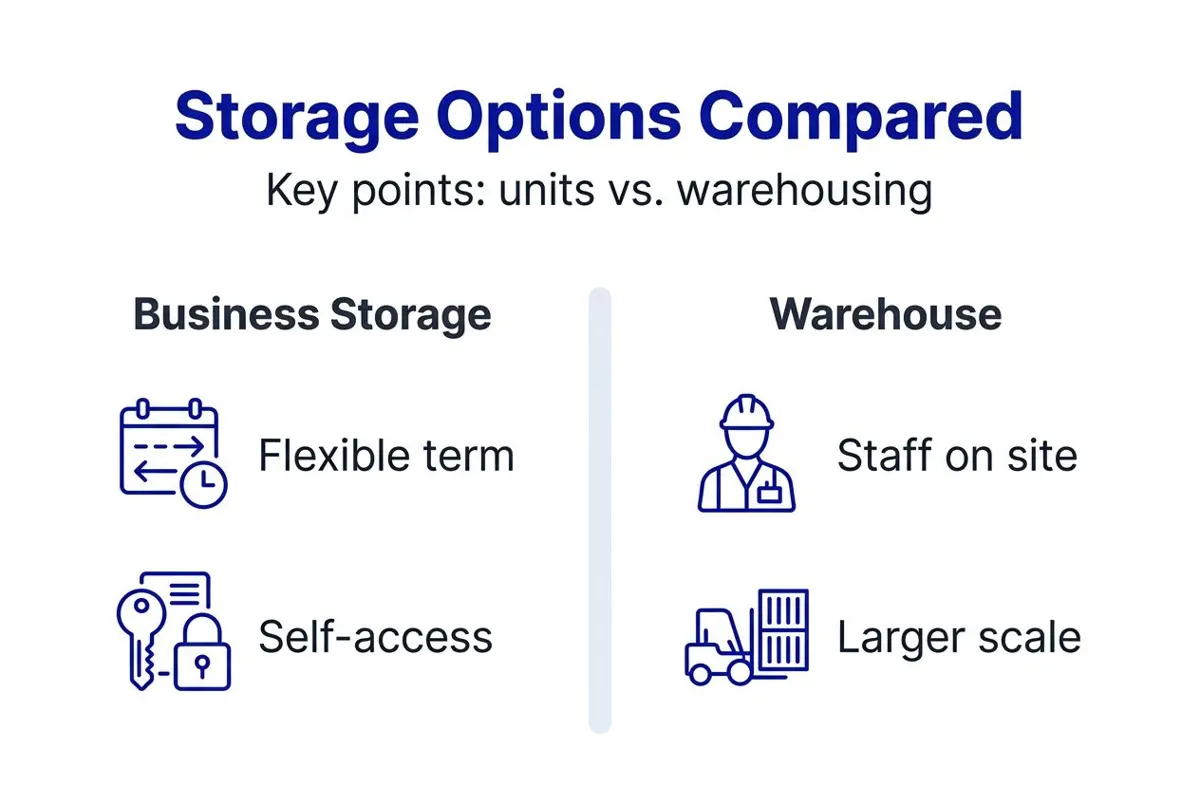
Warehousing excels when you need staff working within your storage space, shipping goods daily, or managing complex logistics requiring specialised equipment like forklifts or loading bays. However, most small businesses simply need secure space to hold excess inventory, seasonal stock, or archived materials, making storage units far more practical and economical. The flexibility to upsize or downsize monthly without penalties gives you financial agility that rigid warehouse leases cannot match.
| Feature | Business storage units | Warehousing |
|---|---|---|
| Contract length | Month-to-month flexibility | Typically annual or multi-year leases |
| Upfront costs | Low deposit, first month rent | High deposits, setup fees, potentially equipment costs |
| Security | Included 24/7 CCTV, controlled access | Variable, often tenant responsibility |
| Utilities and maintenance | Bundled into rental fee | Separate bills, tenant managed |
| Staffing | Self-access, no staff needed | Often requires on-site staff |
| Best for | Small to medium businesses, variable inventory | Large operations, complex logistics |
For deeper insights into optimising your business storage strategy, explore our secure storage options 2026 guide. Additionally, if you handle food inventory, review these warehouse food storage tips to maintain product safety and compliance.
Practical tips for securing and managing inventory in self-storage
Maximising the benefits of self-storage requires thoughtful facility selection, proper packing techniques, and diligent inventory management. Choosing the right facility, using quality packing materials, labelling and inventorying items, storing items off the floor, and insuring belongings are key to protecting items in self-storage, ensuring your business assets remain accessible and undamaged throughout their storage period.
- Select facilities with strong access control systems, on-site staff during business hours, and comprehensive 24/7 CCTV coverage to deter theft and provide evidence if incidents occur.
- Use sturdy corrugated boxes, bubble wrap for fragile items, and moisture absorbers like silica gel packets to protect against humidity damage in non-climate-controlled units.
- Label all boxes clearly with contents and dates, maintaining a detailed inventory spreadsheet that maps box numbers to stored items for quick retrieval without unpacking everything.
- Avoid storing prohibited items like flammables, perishables, hazardous chemicals, or valuable documents requiring bank-grade security, checking facility rules before moving items in.
- Insure your inventory with providers requiring 24/7 CCTV coverage, verifying policy terms cover business goods and understanding excess amounts and claim procedures before incidents occur.
- Store items off the floor using pallets or shelving to prevent pest damage and moisture absorption, keeping heaviest boxes at the bottom and frequently accessed items near the unit entrance.
- Visit your unit periodically to check for signs of moisture, pests, or temperature issues, catching problems early before they damage significant portions of your inventory.
- Keep a digital photographic record of valuable items before storage, documenting condition and serial numbers to support insurance claims if theft or damage occurs.
For additional guidance on packing and securing your inventory effectively, visit our storage packing and security tips resource.
Explore our secure and flexible storage solutions
Navigating business relocation or managing fluctuating inventory volumes requires a trusted partner who understands your operational pressures and timelines. Schott Removals combines over 30 years of experience with flexible rental terms and secure facilities tailored specifically for small businesses across the UK. Our clients benefit from expert guidance on choosing appropriate unit sizes, optimising storage layouts, and coordinating seamless transitions during relocations or expansions.
Whether you need temporary holding space during a move or long-term inventory management solutions, our team provides personalised support that adapts to your changing business needs. We understand that every business operates differently, so we offer customised plans rather than rigid packages, ensuring you pay only for services that genuinely add value to your operations.
Pro Tip: Consult with us early in your relocation or expansion plans to secure optimal storage space and coordinate logistics smoothly, avoiding last-minute scrambles that compromise your business continuity.
Discover how our business storage and removals services support companies throughout their growth journey, or explore our secure storage options in the North East 2026 for detailed facility information and availability.
Frequently asked questions
What size storage unit do small businesses typically need?
Typical unit sizes range from small lockers holding a few archive boxes to large units accommodating full pallet loads, with most small businesses requiring 50 to 150 square feet depending on inventory volume. Consider potential growth or seasonal stock fluctuations when sizing up, as upgrading mid-contract can involve moving costs and availability constraints. Starting slightly larger than your immediate needs provides flexibility without excessive expense, especially if you anticipate expanding product lines or holding promotional stock during peak seasons.
Can self-storage units be used during business relocation?
Self-storage provides a secure holding area during moves or expansions, letting you empty premises gradually without rushing to coordinate everything on a single day. Short-term contracts make it ideal for temporary storage needs spanning weeks or months whilst you arrange new premises, refurbish spaces, or wait for lease commencement dates. This flexibility reduces relocation stress significantly, allowing you to maintain business operations without inventory bottlenecks or hasty decisions about what to keep or discard.
How secure are modern self-storage facilities in the UK?
Facilities typically have 24/7 CCTV, controlled access via PIN codes or keycards, individual unit alarms, and on-site staff presence during business hours. These features reduce risks much more than home garages or sheds, which lack surveillance, access controls, or monitoring systems. Reputable providers also conduct regular security audits and maintain insurance requirements that mandate specific security standards, giving you confidence that your inventory receives professional protection comparable to commercial premises.
What are the cost differences between business storage units and warehousing?
Business storage units usually bundle costs into a single monthly fee covering security, maintenance, utilities, and facility management, with lower upfront fees requiring only a deposit and first month’s rent. Warehousing requires longer leases and variable running costs like staffing, utilities, insurance, and potentially equipment leasing, creating higher fixed overheads regardless of how much space you actually use. For small to medium businesses with variable inventory levels, storage units deliver better cost predictability and financial flexibility, avoiding the substantial capital commitment and operational complexity that warehousing demands.
Recommended
- Secure storage options in the North East for 2026 – Schott Removals
- Blog Archives – Schott Removals
- DeWALT Dcs356 Foam Inserts DEWALT ToughSystem 2.0 Deep Compact Organiser 10 1/4" X 14 1 Dewalt Toughsystem 2.0 Organizer Central Bin Storage Dewalt Dwst8334 1
- 7 Key Security Job Trends in the UK for 2025 Explained