
Most British companies rely on employee relocation policies to manage workforce changes, yet over 60 percent of relocated workers say unclear procedures increased their stress. Whether you are moving across London or shifting to a different region, the process can feel daunting if policies are vague or outdated. This guide breaks down how British employers structure relocation agreements, what support you might be entitled to, and which legal protections matter most for a smooth transition.
Table of Contents
- Defining Employee Relocation Policies In The UK
- Types Of Employee Relocation Support Offered
- Legal Obligations And Best Practices
- Financial Implications And Tax Considerations
- Common Pitfalls And How To Avoid Them
Key Takeaways
| Point | Details |
|---|---|
| Employee Relocation Policies | These policies define the legal rights and responsibilities regarding workforce mobility, ensuring a balance between employer flexibility and employee protections. |
| Types of Relocation Support | Support packages vary, offering financial, logistical, and personal services to help employees transition smoothly during relocations. |
| Legal and Ethical Obligations | Employers must comply with legal guidelines and communicate transparently, ensuring fairness and consultation throughout the relocation process. |
| Financial Considerations | Understanding tax regulations and potential costs is crucial for employers to manage relocation expenses effectively and minimise tax liabilities. |
Defining Employee Relocation Policies in the UK
Employee relocation policies represent complex legal agreements that outline the conditions, responsibilities, and protections for workers required to change their work location within the United Kingdom. These policies fundamentally govern how organisations manage workforce mobility, defining the parameters under which employees might be asked to transfer between different office locations or regions.
At their core, these policies are typically embedded within employment contracts through mobility clauses, which provide employers legal rights to require employee transfers. Such clauses enable businesses to restructure operations, consolidate offices, or respond to strategic business needs while maintaining workforce flexibility. However, these clauses are not unlimited in scope and must balance employer requirements with employee protections.
The legal landscape surrounding employee relocations is nuanced, particularly when considering regulations like the Transfer of Undertakings (Protection of Employment). Under these guidelines, employees have specific rights when facing potential workplace relocations, including potential compensation, negotiation opportunities, and protections against unfair dismissal. Employers must carefully navigate these regulations, ensuring transparent communication and fair treatment during any proposed relocation process.
Key considerations in developing robust employee relocation policies typically include:
- Clear communication protocols
- Transparent financial compensation mechanisms
- Reasonable geographical limitations
- Provisions for employee consultation
- Flexible adaptation strategies
While each organisation will approach relocation policies differently, the fundamental goal remains consistent: creating a framework that supports business needs while respecting individual employee rights and professional development opportunities.
Types of Employee Relocation Support Offered
Employee relocation support encompasses a comprehensive range of financial, logistical, and practical assistance designed to facilitate smooth workforce transitions. These support packages vary significantly between organisations, reflecting the complexity of managing professional moves across different geographical regions within the United Kingdom.

Financial support represents a critical component of relocation packages, with many employers offering tax-exempt relocation expenses that cover various moving-related costs. These typically include allowances for transportation of personal belongings, temporary accommodation expenses, and potential compensation for costs associated with selling or purchasing property. Some organisations provide structured financial contributions that help mitigate the substantial economic challenges employees face during professional relocations.
Institutional relocation policies, such as those implemented by universities, demonstrate the nuanced approach organisations take towards supporting employee moves. These comprehensive packages often include:
- Direct financial reimbursement for moving expenses
- Assistance with temporary housing arrangements
- Support for partner/spouse employment opportunities
- Professional networking introductions in new locations
- Comprehensive cultural integration support
Beyond financial considerations, sophisticated relocation support increasingly recognises the holistic challenges of geographical moves. Modern packages frequently incorporate personalised services like family relocation counselling, school search assistance for employees with children, and tailored settlement support to ensure smooth professional and personal transitions. The goal remains consistent: minimising disruption and enabling employees to maintain productivity and workplace engagement during significant life changes.
Legal Obligations and Best Practices
Employee relocation involves a complex legal landscape that requires employers to carefully balance business needs with employee rights. Navigating these intricate requirements demands a comprehensive understanding of both statutory obligations and ethical considerations in workplace mobility.
Employers must adhere to specific guidelines when implementing relocation policies, particularly regarding employment rights and non-discriminatory practices. The legal framework surrounding employee relocations emphasises protecting workers from arbitrary or unfair treatment, ensuring that any proposed move is reasonable, justified, and conducted with appropriate consultation and support.
Key Legal Considerations in employee relocation include:
- Adherence to existing employment contract terms
- Compliance with mobility clause specifications
- Ensuring fair and non-discriminatory selection processes
- Providing reasonable notice of potential relocation
- Offering appropriate financial compensation and support
Workplace migration strategies must also carefully navigate anti-discrimination regulations, ensuring that relocation decisions are based on legitimate business needs rather than protected characteristics. Best practices dictate a transparent, consistent approach that prioritises employee welfare while maintaining organisational flexibility. This requires open communication, detailed documentation, and a commitment to treating each relocation scenario as a collaborative process between employer and employee.
Financial Implications and Tax Considerations
Employee relocations involve substantial financial complexities that extend far beyond simple moving expenses, requiring meticulous planning and comprehensive understanding of tax regulations. Organisations must carefully navigate the intricate landscape of financial responsibilities and potential tax implications associated with workforce mobility.
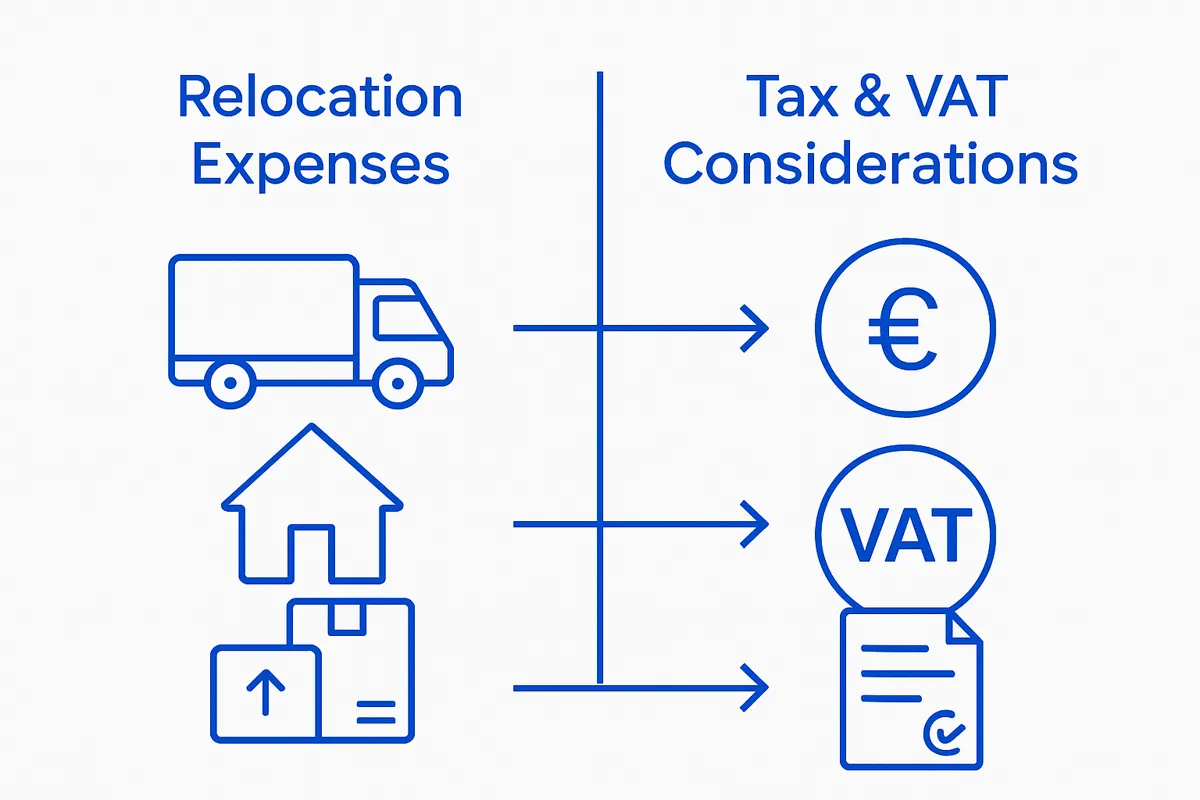
Employers face specific reporting requirements and tax considerations when providing relocation benefits to employees. These regulations outline precise thresholds for tax exemptions, distinguishing between qualifying and non-qualifying expenses. Critically, companies must understand which relocation costs can be absorbed as tax-exempt benefits and which might trigger additional financial reporting obligations.
Key Financial Considerations for employee relocations include:
- Determining tax-exempt relocation expense thresholds
- Understanding VAT reclamation opportunities
- Calculating comprehensive financial support packages
- Identifying potential additional employee compensation requirements
- Managing potential tax liabilities for both employer and employee
The VAT treatment of relocation expenses presents another layer of financial complexity, with specific guidelines governing how organisations can manage input tax for moving-related costs. Successful navigation of these financial considerations requires a strategic approach that balances employee support with organisational fiscal responsibility, ensuring transparent and compliant financial management throughout the relocation process.
Common Pitfalls and How to Avoid Them
Employee relocations represent complex transitions fraught with potential challenges that can derail even the most meticulously planned workforce moves. Understanding and anticipating these potential obstacles is crucial for both employers and employees to ensure smooth, successful transitions.
Employers must carefully navigate the legal and contractual landscape of employee relocations, paying particular attention to the specific rights and obligations outlined in employment contracts. Common pitfalls often emerge from misunderstandings about mobility clauses, inadequate communication, or failure to provide appropriate support mechanisms during the relocation process.
Critical Potential Challenges in employee relocation include:
- Insufficient communication about relocation expectations
- Inadequate financial compensation packages
- Failure to consider personal and family impacts
- Overlooking legal compliance requirements
- Neglecting emotional and psychological transition support
International relocations introduce additional complexities, including nuanced financial considerations that can significantly impact an employee’s willingness and ability to move. Proactive organisations address these challenges by developing comprehensive relocation strategies that go beyond mere logistical support, considering the holistic impact of geographical moves on individual employees and their families. Success requires a delicate balance of legal compliance, financial support, and genuine human-centric approach to workforce mobility.
Simplify Your Employee Relocation with Expert Moving Support
Navigating employee relocation policies in the United Kingdom involves managing legal requirements, financial complexities, and the personal challenges your team faces. If your business is preparing staff moves, understanding mobility clauses and ensuring smooth transitions are essential. At Schott Removals, we recognise how critical clear communication and practical support are during such significant changes. Whether you need local house removals or international shipping options, we provide tailored solutions that respect employee rights and reduce stress.

Trust over 30 years of professional experience when planning your staff relocations. Benefit from our reliable packing services, secure storage solutions, and extensive coverage across the UK and Europe. Act now to ensure your employee moves are hassle-free and compliant with the latest relocation policies. Get started with a personalised quote today at Schott Removals and explore our flexible storage services to support your business every step of the way.
Frequently Asked Questions
What should be included in an employee relocation policy?
An effective employee relocation policy should include clear communication protocols, financial compensation mechanisms, geographical limitations, provisions for employee consultation, and flexible adaptation strategies.
What legal considerations must employers take into account during employee relocations?
Employers must adhere to existing employment contract terms, comply with mobility clauses, ensure fair selection processes, provide reasonable notice of relocations, and offer appropriate financial compensation and support.
How can employees prepare for a potential relocation?
Employees can prepare by understanding their rights under the mobility clause, communicating openly with their employer about concerns, researching new locations, and exploring support services that may be offered during the transition.
What are common pitfalls employers should avoid in the relocation process?
Employers should avoid inadequate communication about expectations, insufficient financial support, neglecting family considerations, overlooking legal compliance, and failing to provide emotional and psychological support during the transition.
Recommended
- Complete Guide to Relocating to the UK – Schott Removals
- Taxes and Moving Expenses UK: Essential Guide for 2025 – Schott Removals
- Understanding Moving Home Tax Implications in the UK – Schott Removals
- 10 Popular UK Relocation Destinations You Must Consider – Schott Removals
- Keep My Existing Home As A Rental Property – Mortgage Managers