
Moving goods from one country to another is more intricate than most people expect, with over 90 percent of global trade relying on complex shipping networks. For British businesses and families, understanding these international shipping processes is crucial to avoiding costly mistakes and delays. This guide breaks down the essentials of planning, selecting services, and mastering customs so you can approach worldwide moves with greater confidence.
| Point | Details |
|---|---|
| Understanding Logistics | International shipping requires knowledge of various transportation methods and global trade regulations. Effective coordination is essential across multiple stages of the shipping process. |
| Types of Shipping Services | Businesses should carefully assess their shipping needs to choose between options like Full Container Load (FCL) or Air Freight, each with distinct advantages and costs. |
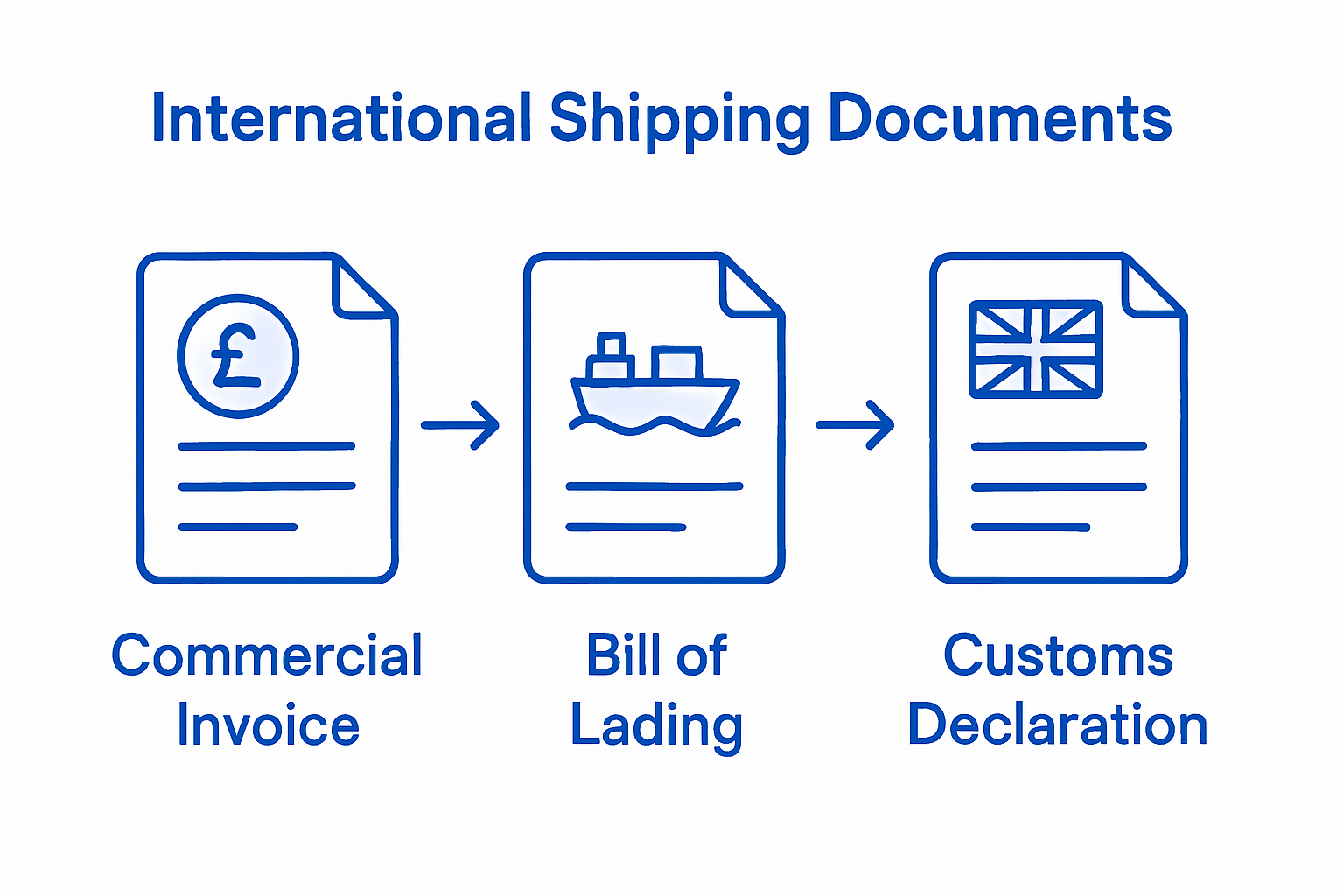
| Crucial Documentation | Accurate documentation, including commercial invoices and bills of lading, is vital for compliance and smooth customs clearance in international shipping. |
| Insurance Considerations | To mitigate risks such as damage or theft during transit, obtaining comprehensive insurance is crucial for protecting valuable goods in international shipping. |
International shipping is a complex logistical framework involving the strategic movement of goods across global borders. The process encompasses multiple stages, from initial planning to final delivery, requiring meticulous coordination between various transportation modes and regulatory systems. International shipping strategies involve intricate networks that connect businesses, transporters, and consumers worldwide.
At its core, international shipping integrates multiple transportation methods including maritime, air, road, and rail transport. Universities specialising in logistics, such as Solent University’s International Shipping programme, emphasise the critical importance of understanding these interconnected systems. Successful international shipping requires comprehensive knowledge of global trade regulations, customs procedures, documentation requirements, and risk management strategies.
Key components of international shipping processes include:
Professional shipping organisations like the University of Plymouth’s International Logistics programme underscore that successful international shipping is not just about moving goods, but creating efficient, reliable, and cost-effective global logistics networks.
International shipping services are diverse and complex, designed to meet the unique logistical requirements of businesses and individuals moving goods across global borders. These services range from comprehensive door-to-door solutions to specialised transportation modes tailored for specific cargo types. International removals strategies encompass multiple service categories that address different shipping needs and constraints.
The primary types of international shipping services include:
Additional specialised services include fragile item shipping, temperature-controlled transportation, and vehicle shipping during international moves. Businesses and individuals must carefully assess their specific requirements, considering factors such as budget, delivery timeline, cargo type, and destination regulations when selecting an appropriate international shipping service.

Each shipping service offers unique advantages and challenges. Air freight provides rapid delivery but at higher costs, while sea freight offers more economical rates for larger shipments. Selecting the right service depends on intricate considerations including cargo weight, dimensions, fragility, and specific transportation constraints. Professional shipping companies can provide tailored advice to help clients navigate these complex international logistics networks.
Overseas shipping involves a meticulously planned sequence of steps designed to ensure safe, efficient, and compliant transportation of goods across international borders. International moving processes require careful navigation through complex logistical and regulatory landscapes, demanding precision and strategic planning from shipping professionals.
The comprehensive overseas shipping process typically encompasses the following critical stages:
Universities specialising in international logistics, such as the University of Plymouth’s Supply Chain Management programme, emphasise the importance of understanding these intricate procedural steps. Effective overseas shipping requires comprehensive knowledge of global shipping protocols, customs regulations, and risk management strategies.
Final stages of the shipping process involve continuous tracking, customs clearance, and delivery verification. Shipping professionals must maintain meticulous documentation, monitor potential logistical challenges, and ensure seamless communication between all parties involved in the international transportation network. Successful overseas shipping demands a combination of technical expertise, regulatory knowledge, and strategic problem-solving skills.
Navigation of international shipping documentation and customs duties represents a complex regulatory landscape that demands meticulous attention to detail and comprehensive understanding. International moving regulations require precise preparation and strategic compliance with multiple governmental requirements across different jurisdictions.
Key documentation requirements for international shipping typically include:
Research institutions like the Swansea University’s Institute of International Shipping and Trade Law highlight the intricate nature of customs regulations, which vary significantly between countries. Customs duties are typically calculated based on several critical factors:
Professional trade policy experts emphasise that successful international shipping requires a nuanced understanding of complex regulatory frameworks. Shipping professionals must navigate potential challenges including tariff classifications, duty calculations, and potential exemptions. Comprehensive documentation and proactive compliance are essential to prevent delays, additional costs, and potential legal complications during the international shipping process.
International shipping involves complex financial and operational considerations that require strategic planning and comprehensive risk management. Preparing for international shipping demands a thorough understanding of potential expenses, inherent risks, and appropriate insurance coverage to protect valuable assets during transit.
Primary cost factors in international shipping typically include:
Researchers specialising in supply chain analytics, such as Dr. Andrew Greasley from Aston University, emphasise the importance of comprehensive risk assessment in shipping logistics. Potential risks in international shipping include:
Professional shipping companies recommend obtaining comprehensive insurance that covers multiple risk scenarios. Proper insurance considerations can mitigate financial vulnerabilities and provide peace of mind during complex international transportation processes. Careful evaluation of potential risks, coupled with appropriate insurance coverage, ensures protection of valuable assets throughout their international journey.
Navigating the intricate international shipping process can feel overwhelming. From managing crucial documentation and customs duties to selecting the right transportation method, each step demands precision and expertise. At Schott Removals, we understand these challenges and offer tailored solutions designed to ease the complexities of overseas moves. Whether you are planning a residential relocation or shipping valuable goods abroad, our team combines over 30 years of experience with a commitment to professionalism and reliability.
Key benefits you will gain include:

Take control of your international move with confidence. Visit our website for detailed insights and trusted services on international removals, explore our full range of packing and storage solutions, and start planning your seamless relocation today. Get your personalised quote now at Schott Removals and experience a worry-free shipping process guided by experts who care.
The international shipping process typically involves initial consultation, documentation preparation, cargo packaging, transportation logistics, customs clearance, and final delivery verification.
International shipping services include Full Container Load (FCL), Less Than Container Load (LCL), Roll-on/Roll-off (RoRo), air freight, and sea freight, each catering to different cargo sizes and shipping needs.
Key documentation includes a commercial invoice, certificate of origin, packing list, bill of lading, and export licence, ensuring compliance with international regulations.
To manage costs and risks, consider transportation expenses, documentation costs, insurance premiums, and customs duties. Obtaining comprehensive insurance can also protect against potential loss or damage during transit.
Unit 20, Lingfield Point
McMullen Road,
Darlington
DL1 1RW
Telephone: 01325 487091
Email: info@schottremovals.co.uk